//

AI Development231 articles · Page 9 of 20
AI Development
Implementation notes for building AI tools around real business data, handoffs, review queues, and safeguards.
AI Development articles, page 9
 Constructed diagram
AI Development·
Google Sheets canvas is a write surface, not just a dashboard
Google Sheets canvas turns spreadsheet records into generated mini-apps, with edits syncing in both directions. Test the write path before using it on consequential data.
5 min read
 Constructed diagram
AI Development·
GitHub Rule Insights can rank bypasses. It cannot judge them.
GitHub’s organization-level Rule insights dashboard aggregates rule evaluations and highlights repositories with the most bypasses. Use the ranking to choose an investigation, not to label risk.
6 min read
 Constructed diagram
AI Development·
Amazon Quick can read Purview labels. You still choose what happens next.
Amazon Quick now applies Microsoft Purview sensitivity labels to files in chat, spaces, and knowledge bases. The consequential choices are the default and outage actions.
6 min read
 Constructed diagram
AI Development·
Amazon Quick reached GovCloud. Your workflow still needs its own boundary test
Amazon Quick can now keep agent data and inference in GovCloud (US-West). That removes one deployment blocker, not the need to approve the full workflow.
7 min read
 Constructed diagram
AI Development·
Copilot Memory is a user policy with repository consequences
Copilot can carry repository facts and coding preferences between sessions and features. The enablement decision belongs at the user-policy layer, but its effects reach code review, CLI work, and repositories.
6 min read
 Constructed diagram
AI Development·
AI writes more code. Your language choice now sets the review floor.
Go's formatter, compiler, tests, vulnerability checks, and fuzzing can give coding agents a consistent verification path. That is a reason to test the path—not migrate on faith.
6 min read
AI Development·
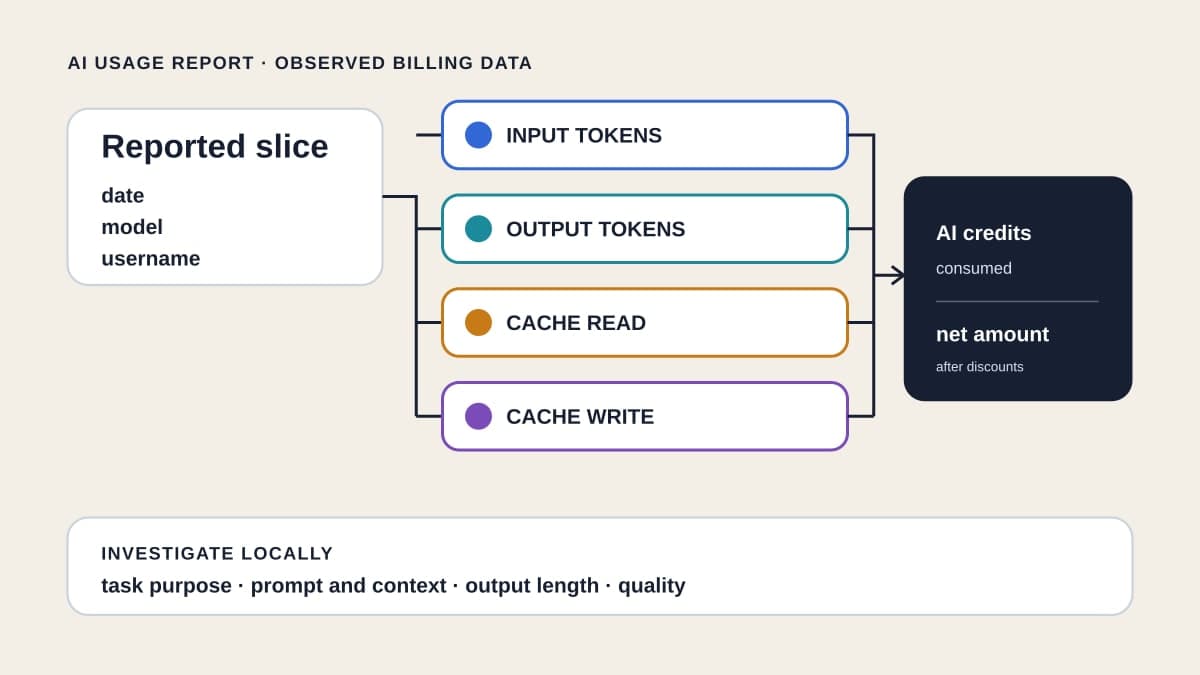
GitHub’s Copilot token report tells you where cost accumulated—not why
GitHub now exposes four token classes behind Copilot AI credits. The report can locate a costly slice, but task context and quality evidence must explain it.
7 min read
AI Development·
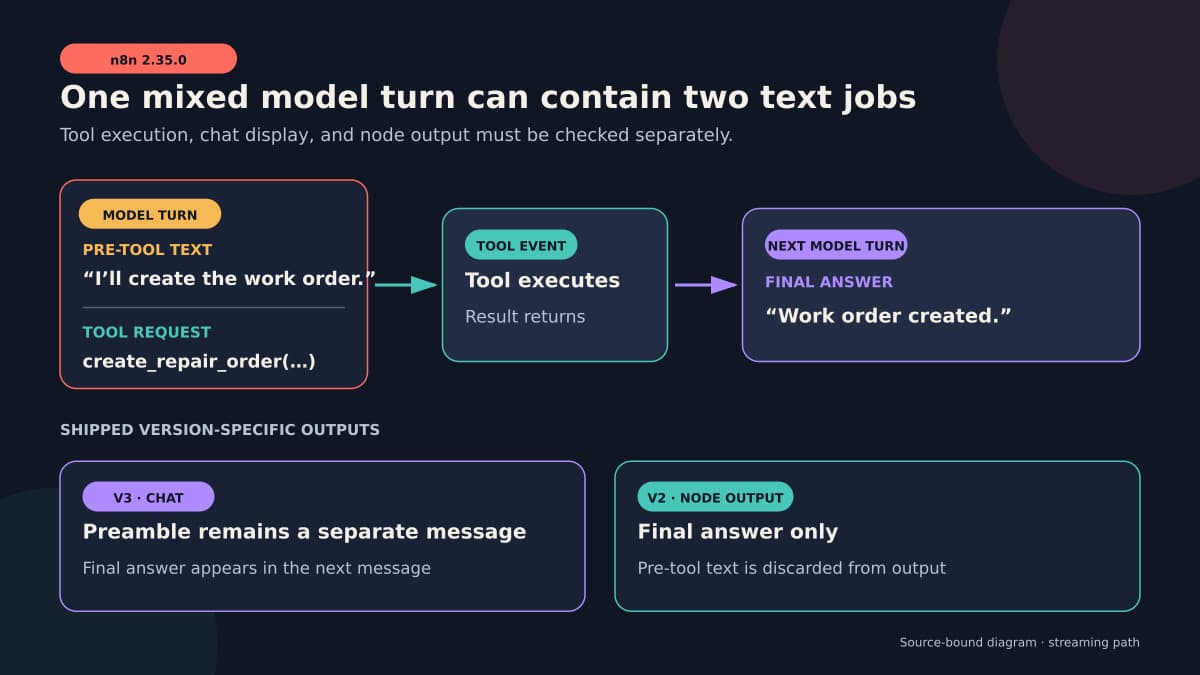
In n8n, text before a tool call is not the tool result
n8n 2.35 fixes pre-tool text leaking into later AI Agent responses. The repaired behavior differs between V3 chat messages and V2 node output, so test the exact path you operate.
6 min read
AI Development·
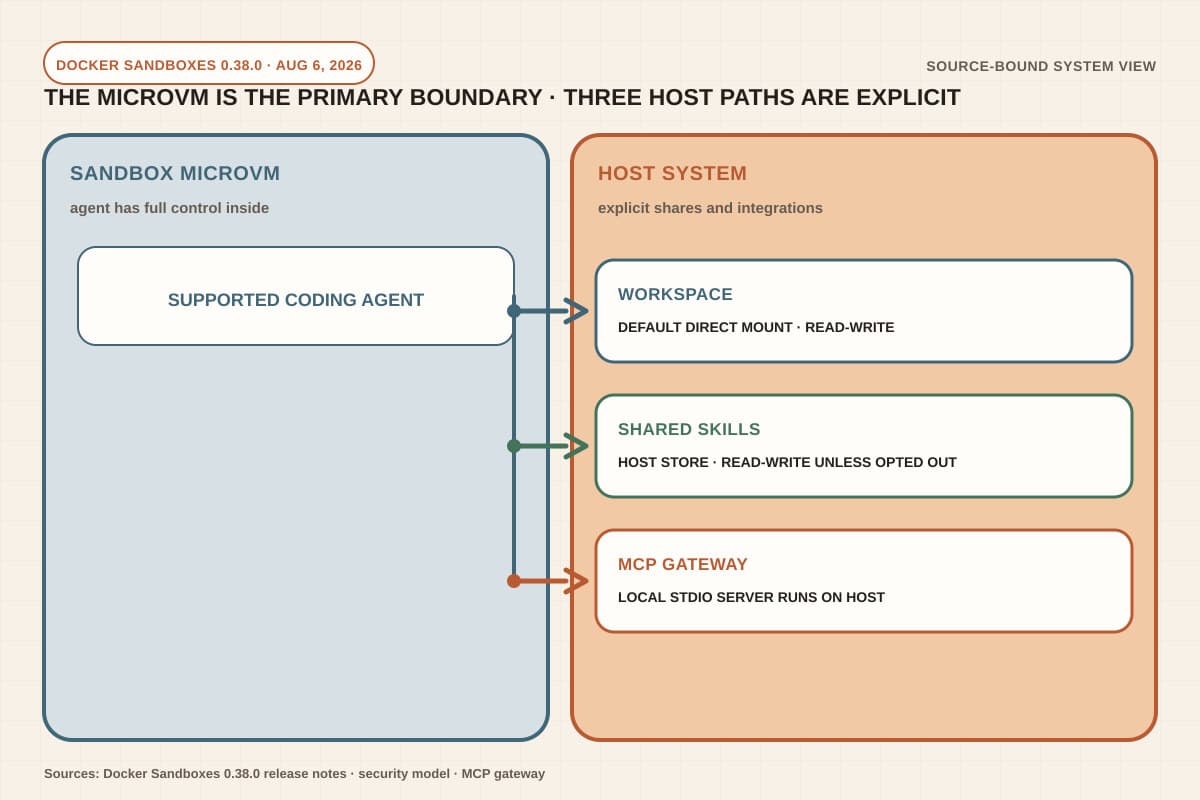
Docker Sandboxes: local stdio MCP servers run on the host
Docker Sandboxes 0.38.0 made MCP a first-class feature. The agent stays in a microVM, but a local stdio MCP server can execute on the host.
8 min read
AI Development·
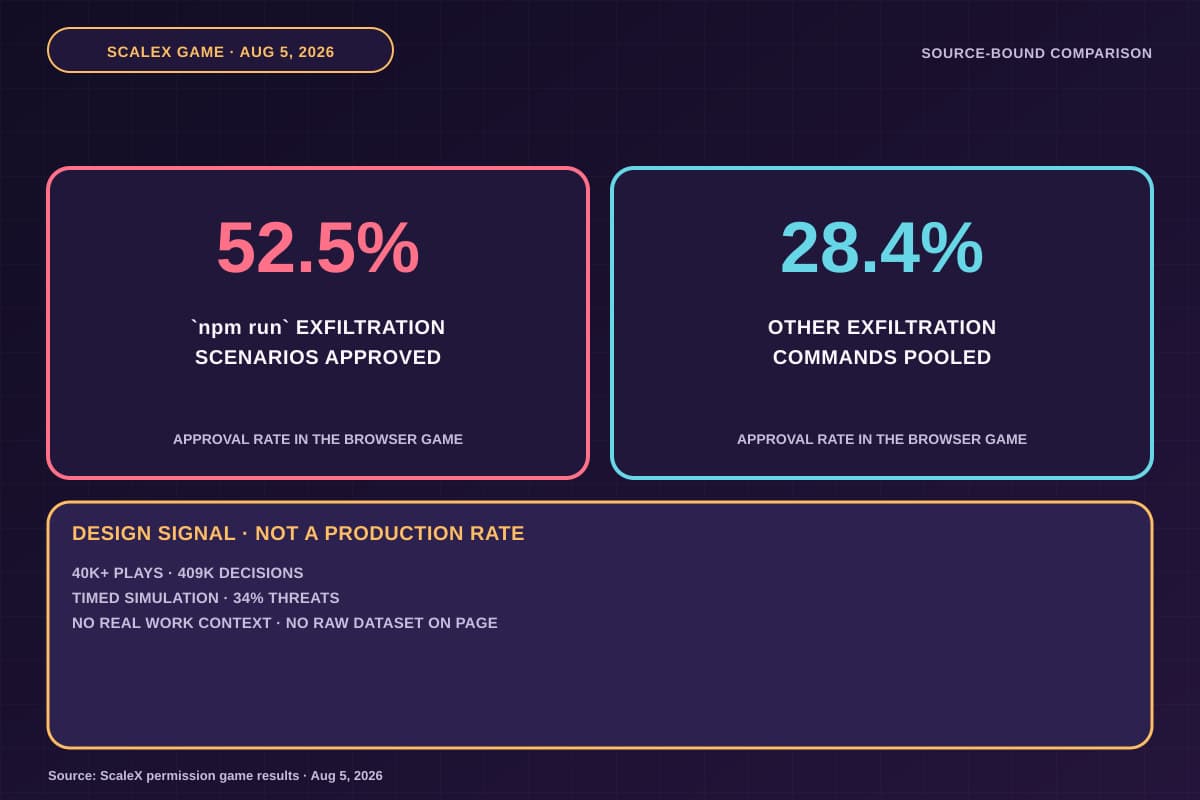
Showing the command is not enough for AI-agent approval
ScaleX reported 52.5% approval for three npm run exfiltration scenarios. Prompts need execution context, and runtime policy must enforce the boundary.
8 min read
AI Development·
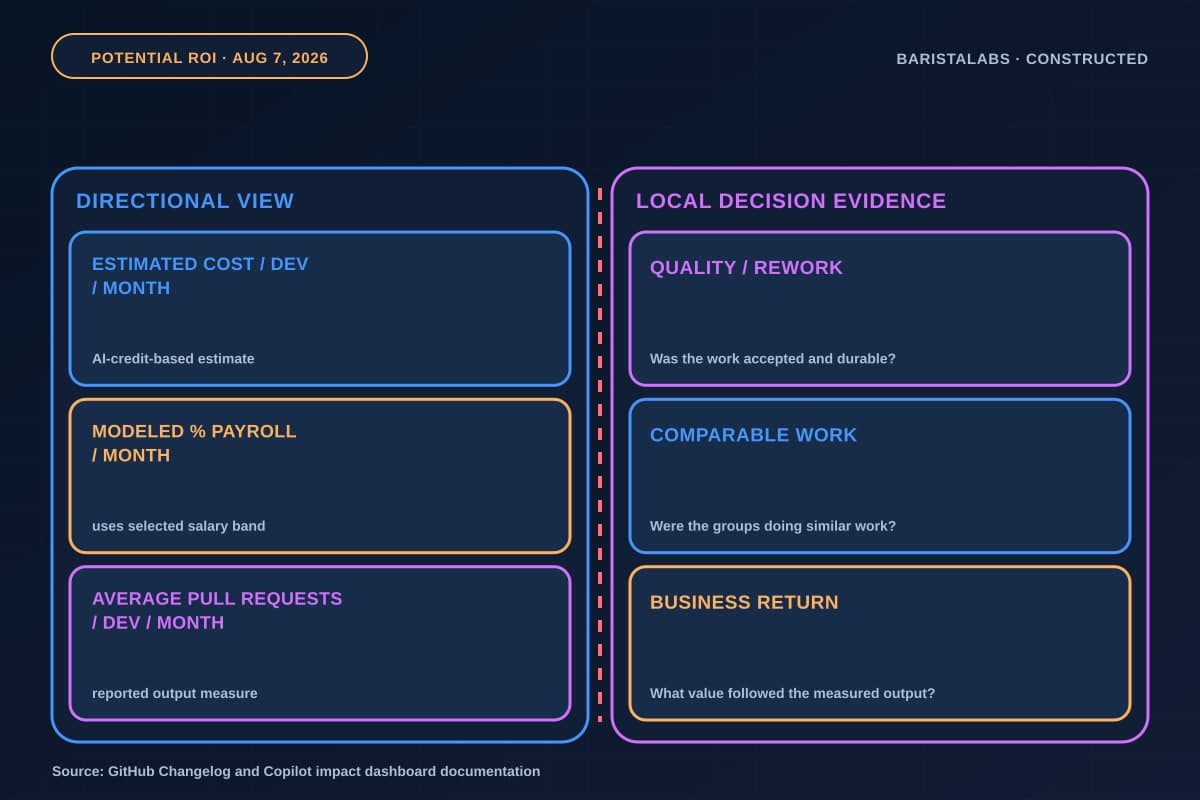
GitHub Copilot's potential ROI dashboard is a starting point, not a verdict
GitHub now pairs estimated Copilot cost with pull-request output. The cards can focus a local review, but they do not establish financial return.
8 min read
AI Development·
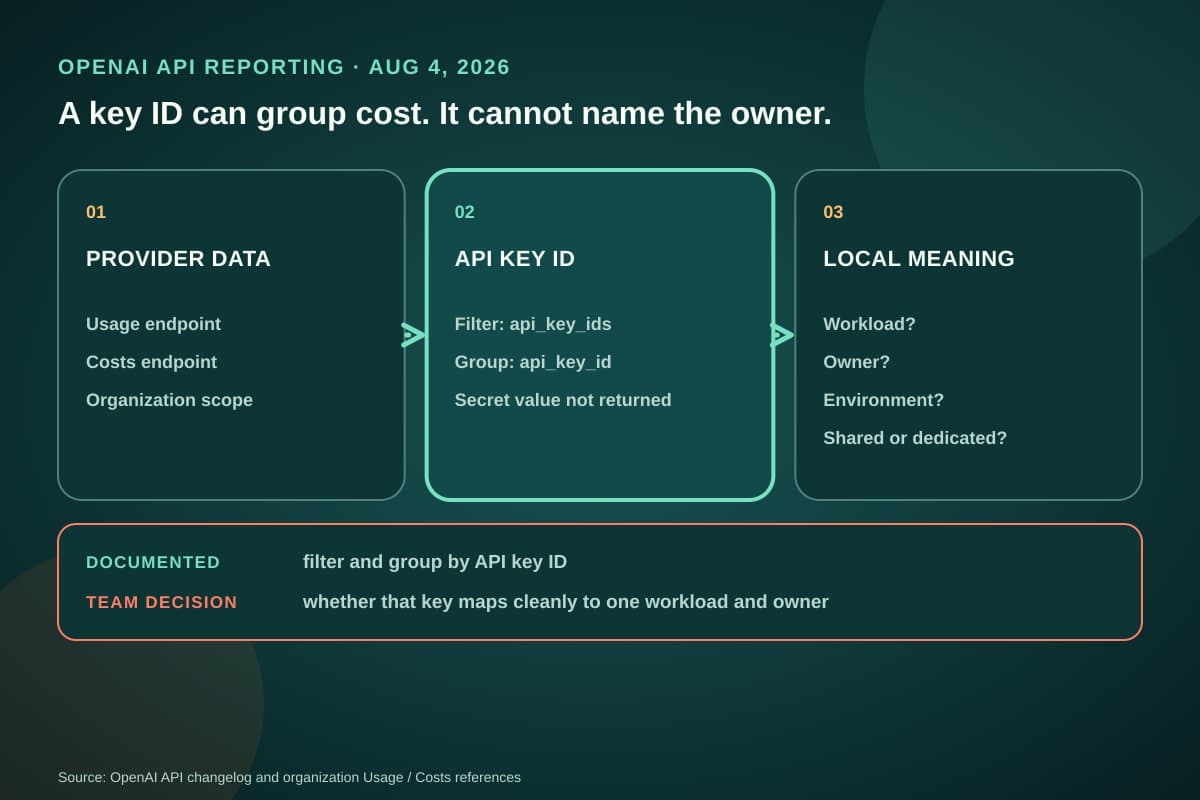
OpenAI API-key cost reporting depends on workload ownership
OpenAI can now group usage and cost by API key ID. Shared keys still blend workloads, so attribution depends on local key ownership.
7 min read
Explore Other Categories

Announcements
Product notes, service updates, and BaristaLabs news that affect how small teams use AI at work.
9 articles

Industry Insights
AI market news translated into workflow decisions, risk boundaries, and practical next steps for small businesses.
395 articles
Machine Learning
Model concepts explained through thresholds, queues, and error costs that small teams can actually manage.
14 articles

Small Business AI
Plain-language guidance for owners and operators choosing one useful, reviewable AI workflow at a time.
106 articles

Technical Tutorials
Hands-on guides for approval policies, shadow weeks, agent receipts, and other AI workflow controls.
26 articles