//
Technical Tutorials26 articles
Technical Tutorials
Hands-on guides for approval policies, shadow weeks, agent receipts, and other AI workflow controls.
Resource path
Implementation artifacts you can copy before the workflow gets permission.
Use this shelf when the AI idea has become specific enough to sketch. These tutorials turn approval policies, security reviews, shadow weeks, rollback paths, and queue designs into artifacts a teammate can inspect before the system acts.
Start here
Build the approval queue before the agentIt shows the core BaristaLabs sequence: proposed action, reviewer evidence, approval decision, receipt, and safe execution boundary.
Turn one workflow into reviewable proposal, evidence, decision, receipt, and rollback fields.
Sketch one approval queueSee where permission enters the workflow
Start with the point where an AI draft becomes a real action: update the CRM, send the email, refund the order, change the customer status. That boundary decides what the queue must show.
Sketch the policy, receipt, and rollback
Turn the candidate workflow into a written approval policy, a receipt template, and a rollback owner before the agent earns write access.
Run one safe rehearsal
If the artifact is still theoretical, run a shadow week: let AI produce work beside the current process, compare misses, and decide whether the next permission is earned.
Articles
Technical Tutorials·
AI quota vs. rate limit vs. spend cap: three controls that fail differently
A burst, a depleted allowance, and a closed cost boundary can all stop an AI workload. Learn which control failed and choose the safe response.
12 min read
Technical Tutorials·
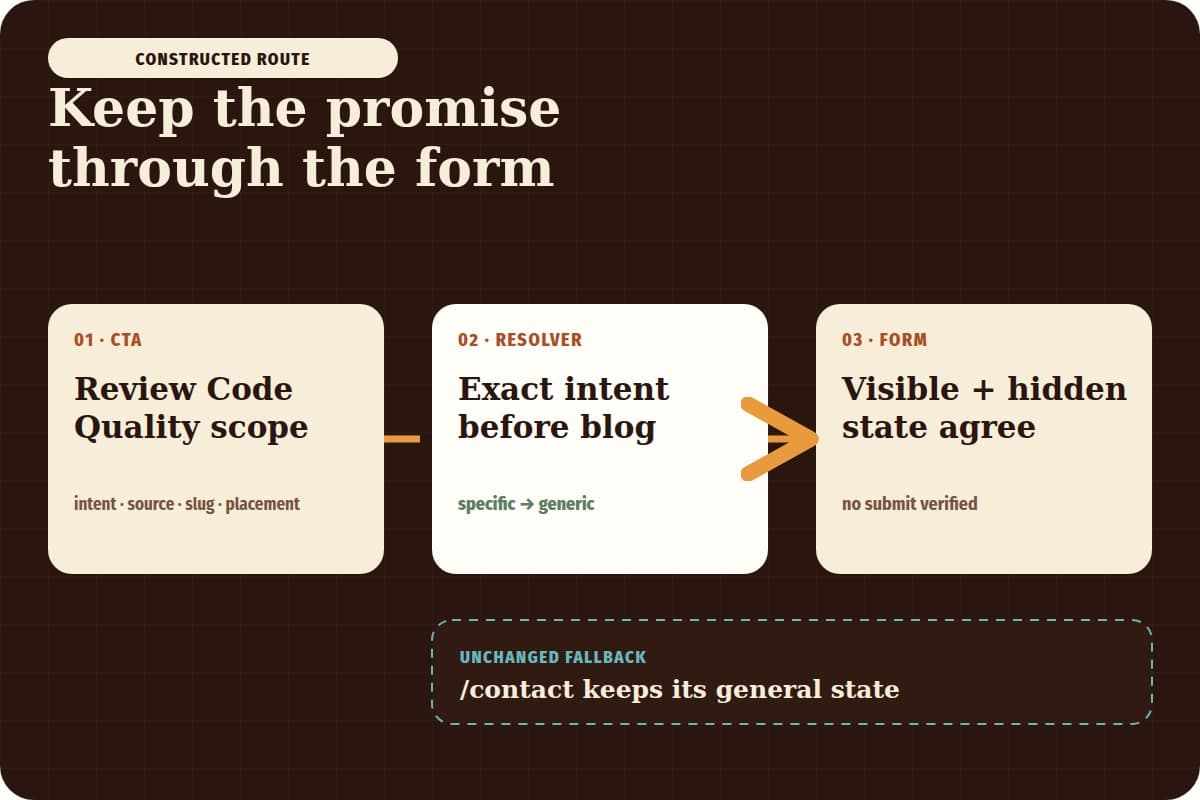
Preserve a CTA promise through the contact form
A specific article CTA can still land on generic form copy. Define one intent route that keeps the promise, attribution, form state, and fallback consistent.
8 min read
Technical Tutorials·
A mobile technical diagram needs a new layout, not smaller text
A sharp landscape diagram can become unreadable in a narrow content column. See how three production fixes used portrait layouts, responsive image art direction, and browser verification.
8 min read
Technical Tutorials·
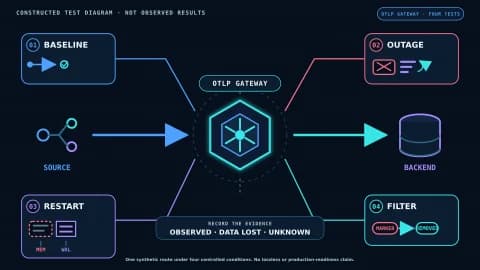
Test an OpenTelemetry gateway before you trust cross-cloud agent traces
Run one synthetic trace through a central OTLP gateway, interrupt the backend, restart the Collector, and verify a harmless marker is filtered.
11 min read
Technical Tutorials·
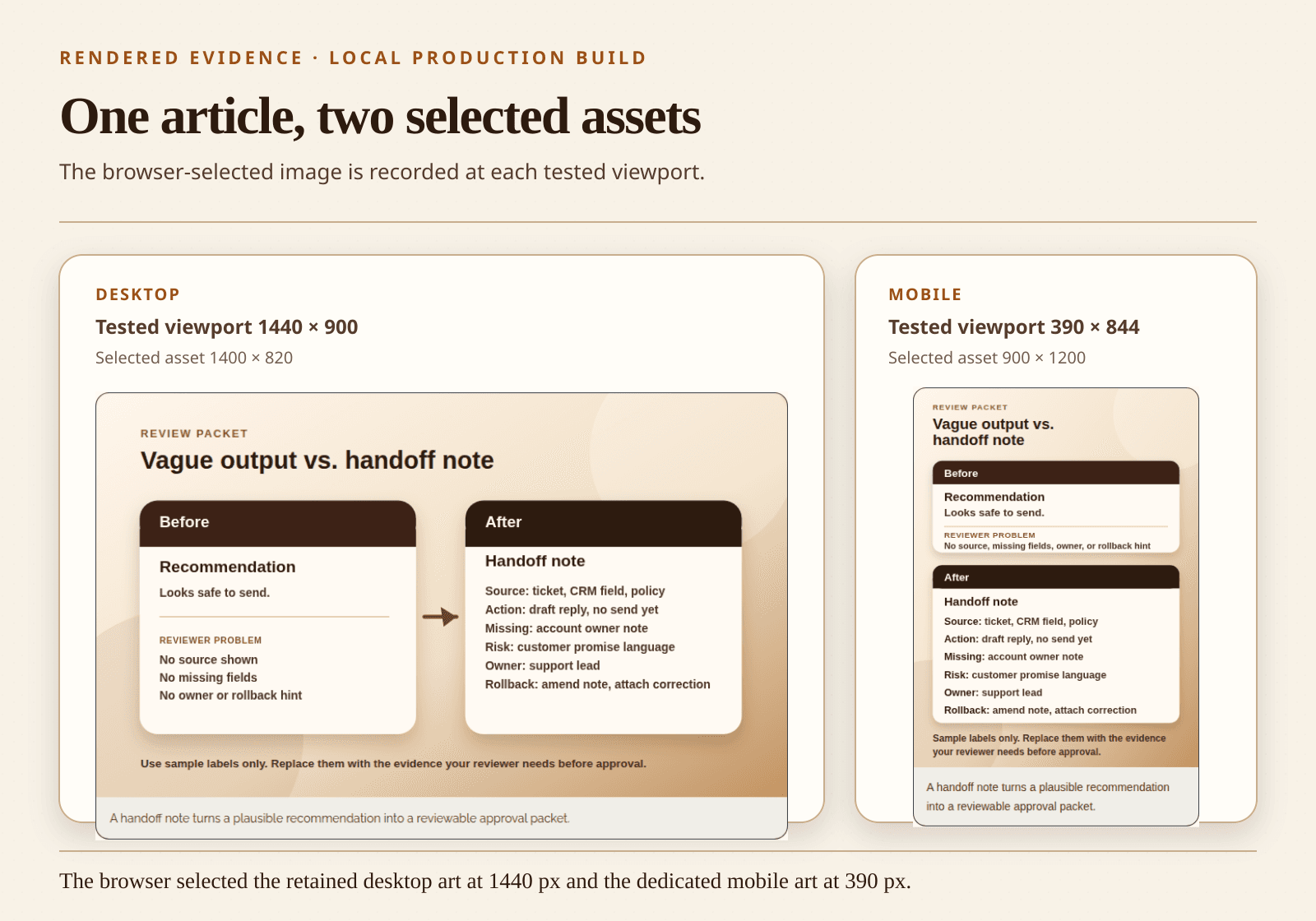
How to review an AI-built website change before publishing
A practical way to verify a versioned website change across code, browser behavior, accessibility, metadata, links, and performance before approval.
12 min read
Technical Tutorials·
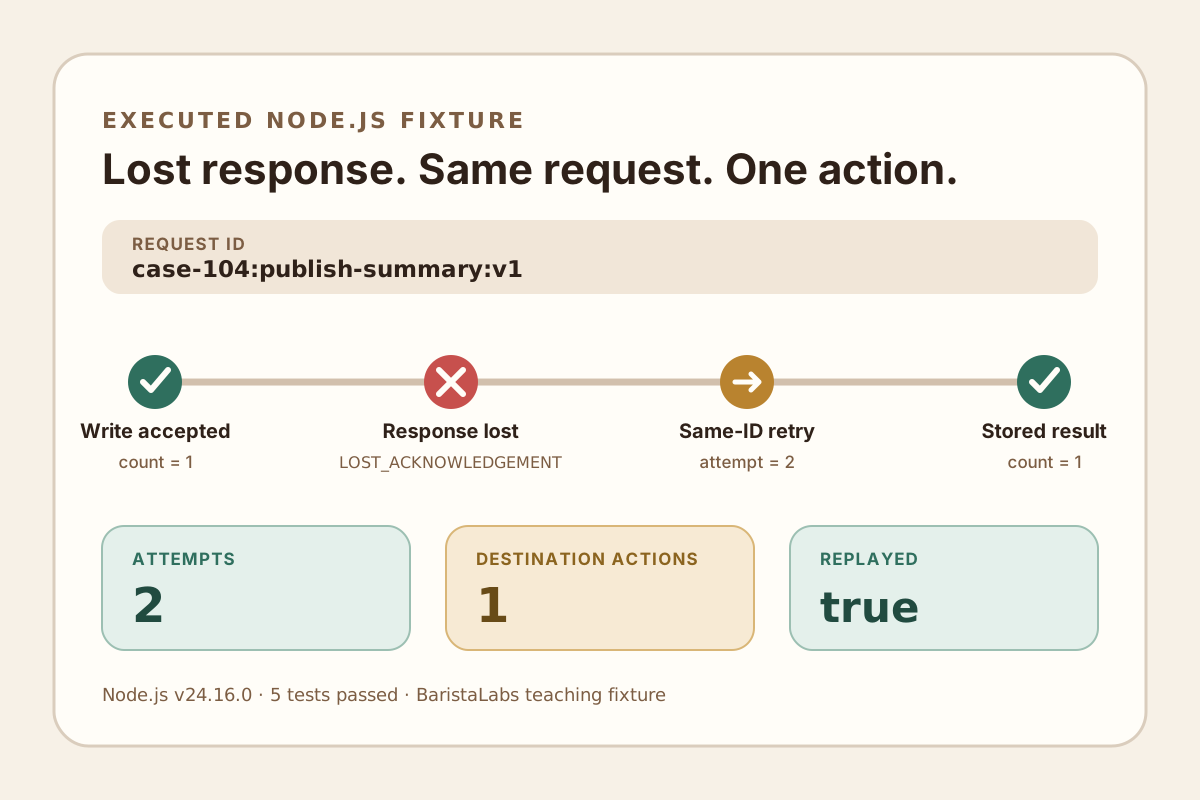
How to test duplicate-safe retries in an AI workflow
Run a Node.js fixture that drops the first acknowledgement after a destination write, replays the same request ID, rejects changed parameters, and checks the business-state count.
10 min read
Technical Tutorials·
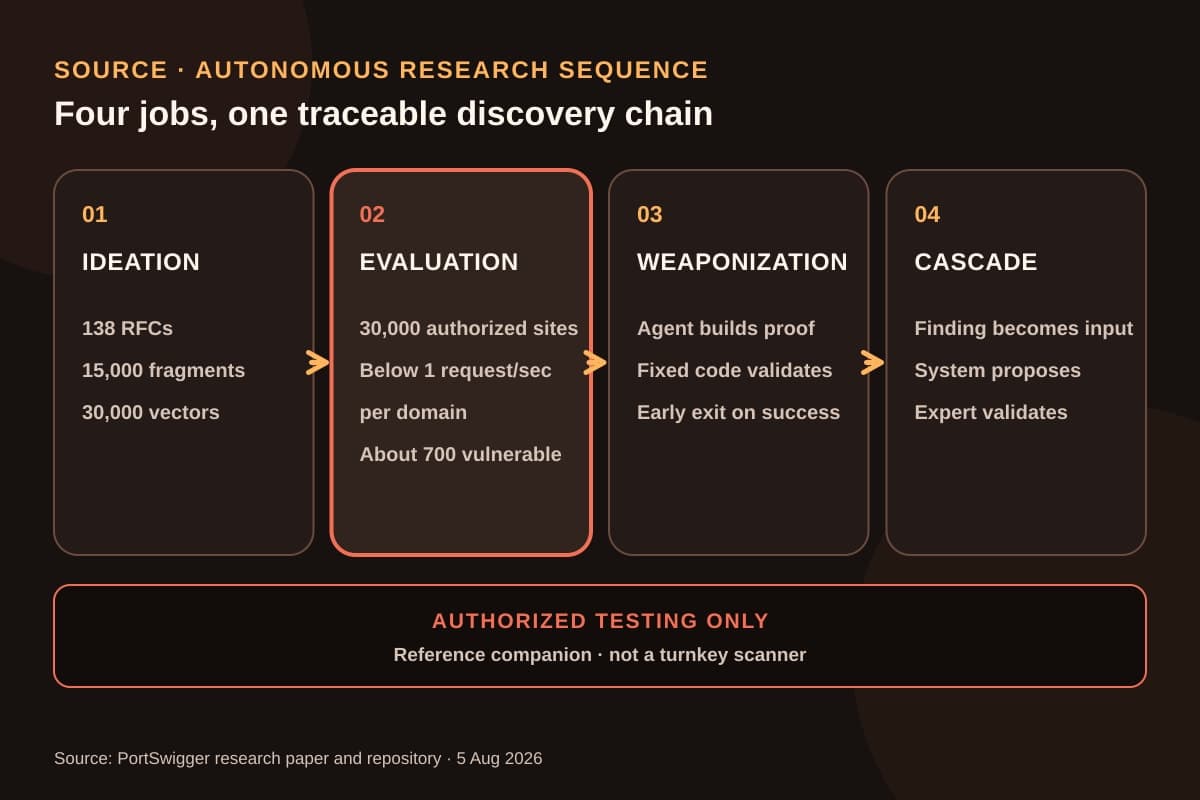
HTTP Terminator generated 30,000 attack ideas. The evaluator made them research.
PortSwigger generated 30,000 candidate HTTP attack vectors. The useful result came from the evaluator, deterministic proof, authorization boundary, and expert-guided cascade.
12 min read
 Constructed diagram
Technical Tutorials·
Trial Cloudflare Kitesurf for one-shot browser jobs; keep Chromium for stateful work
Cloudflare Kitesurf uses less CPU and memory but takes longer in vendor tests. Trial one-shot browser jobs and keep stateful work on Chromium.
8 min read
 Constructed diagram
Technical Tutorials·
Microsoft Agent Framework 1.17.0 fixes false success in one Foundry workflow path
A provider failure could look like a completed Microsoft Agent Framework workflow with an empty message. Version 1.17.0 restores the failure state.
7 min read
Technical Tutorials·
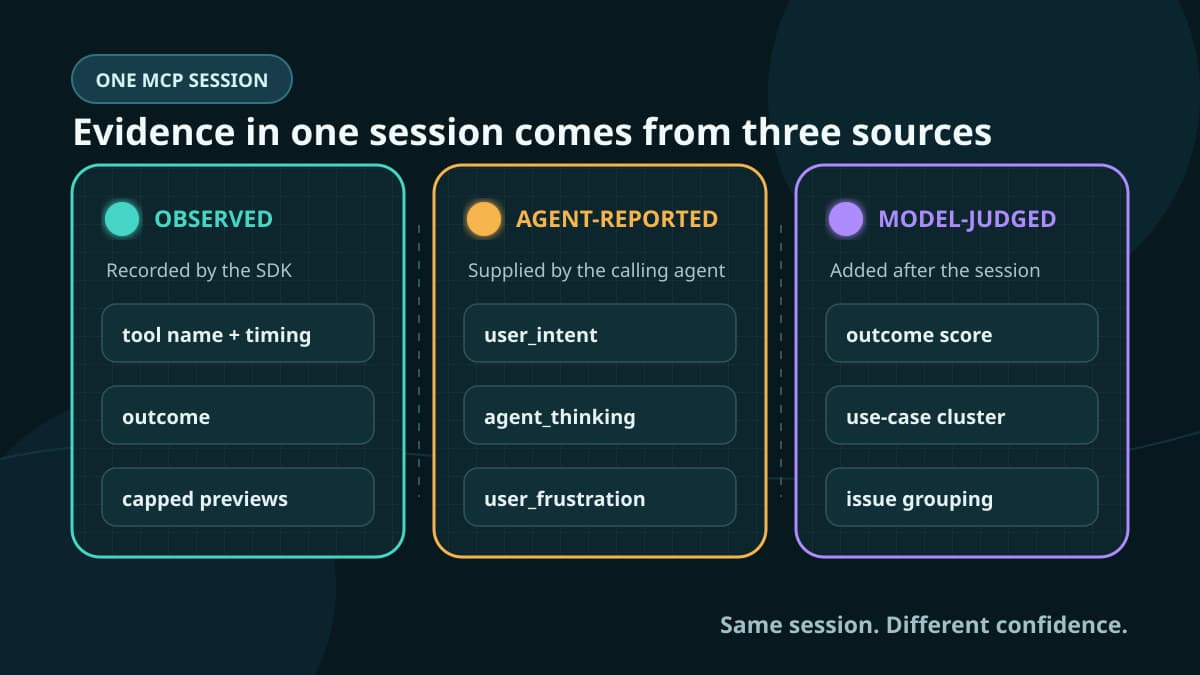
Armature's MCP telemetry mixes observations with agent reports
Armature combines observed MCP execution with context supplied by the calling agent and judgments made later. Product and release decisions should keep those sources separate.
9 min read
Technical Tutorials·
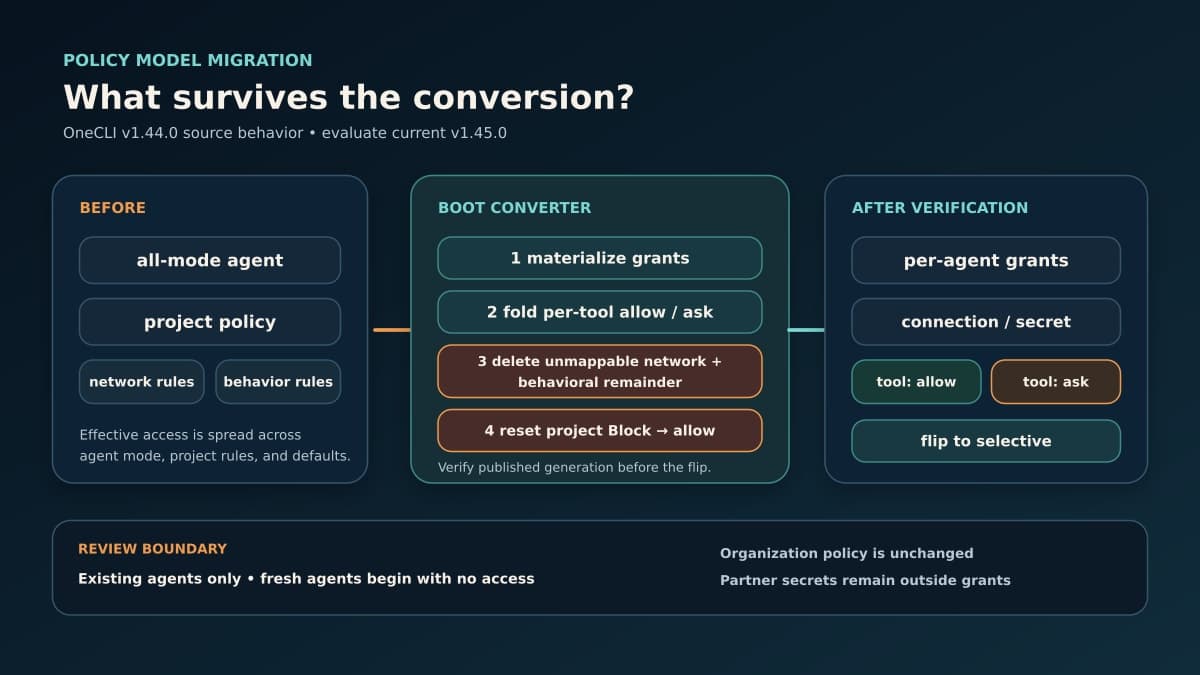
OneCLI changed its policy model. Diff access before upgrading.
OneCLI's grants migration converts expressible credential access, removes rules it cannot map, and resets one project default. A staged before-and-after access diff shows whether v1.45 is ready to promote.
8 min read
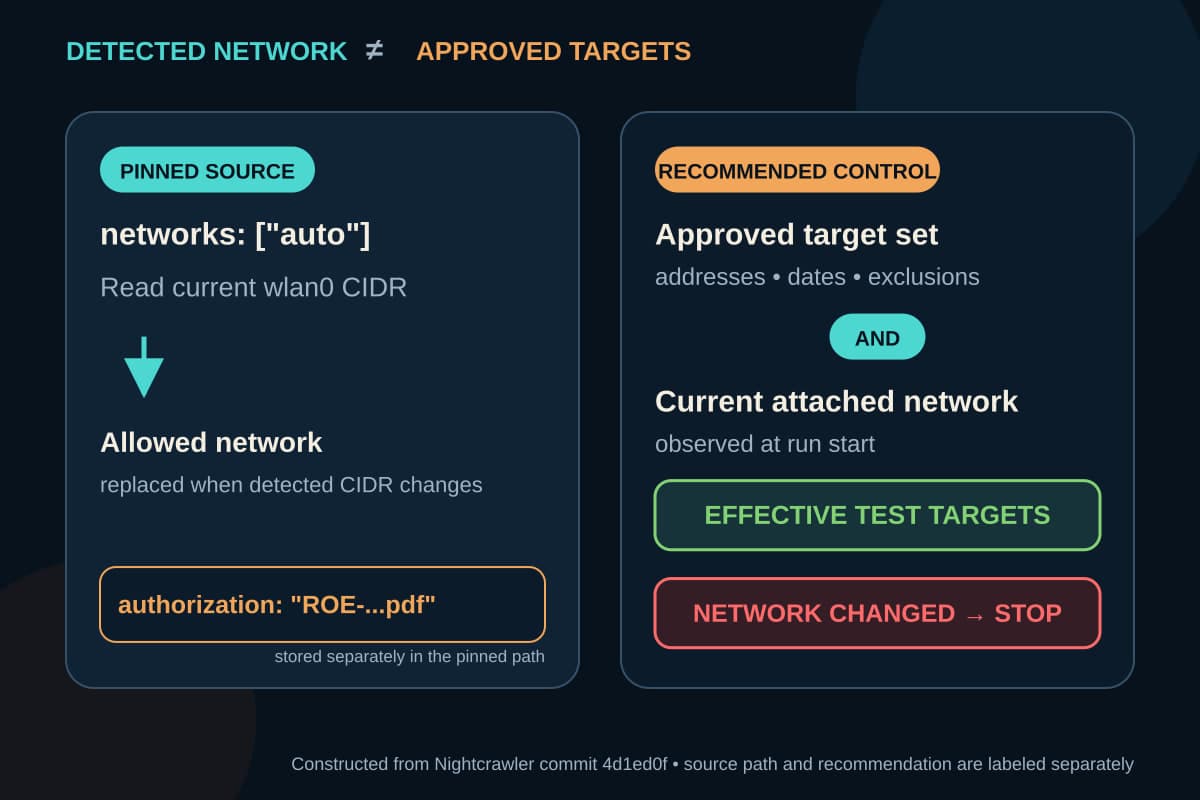
A pentesting phone can infer the subnet. It cannot infer permission.
7 min read
Explore Other Categories

AI Development
Implementation notes for building AI tools around real business data, handoffs, review queues, and safeguards.
208 articles

Announcements
Product notes, service updates, and BaristaLabs news that affect how small teams use AI at work.
9 articles

Industry Insights
AI market news translated into workflow decisions, risk boundaries, and practical next steps for small businesses.
392 articles
Machine Learning
Model concepts explained through thresholds, queues, and error costs that small teams can actually manage.
14 articles

Small Business AI
Plain-language guidance for owners and operators choosing one useful, reviewable AI workflow at a time.
98 articles