//
Industry Insights392 articles
Industry Insights
AI market news translated into workflow decisions, risk boundaries, and practical next steps for small businesses.
Resource path
Market signals translated into workflow decisions.
Use this shelf when a vendor launch, benchmark, policy shift, or market signal changes what an operator should inspect. The question is not what happened in AI this week; it is which workflow boundary, risk, or next step the signal changes.
Start here
Localhost is not a sandbox when the agent can browseIt turns a tool/security story into an operator decision about data boundaries and agent access.
Translate a market development into a specific review boundary or artifact.
Turn one AI signal into a workflow checkIdentify the operational consequence
Read the news through the person approving, testing, or buying the workflow: what new permission, exposure, cost, or review burden did the signal reveal?
Pull the signal into a review worksheet
Convert the story into a question the team can answer: what data can the workflow read, what action can it take, what evidence must the reviewer see, and what gets logged?
Route the reader to the durable lane
If the market signal points to evals, security, payments, legacy workflows, or computer-use agents, send the reader into the deeper implementation resource instead of ending at the news recap.
Articles
Industry Insights·
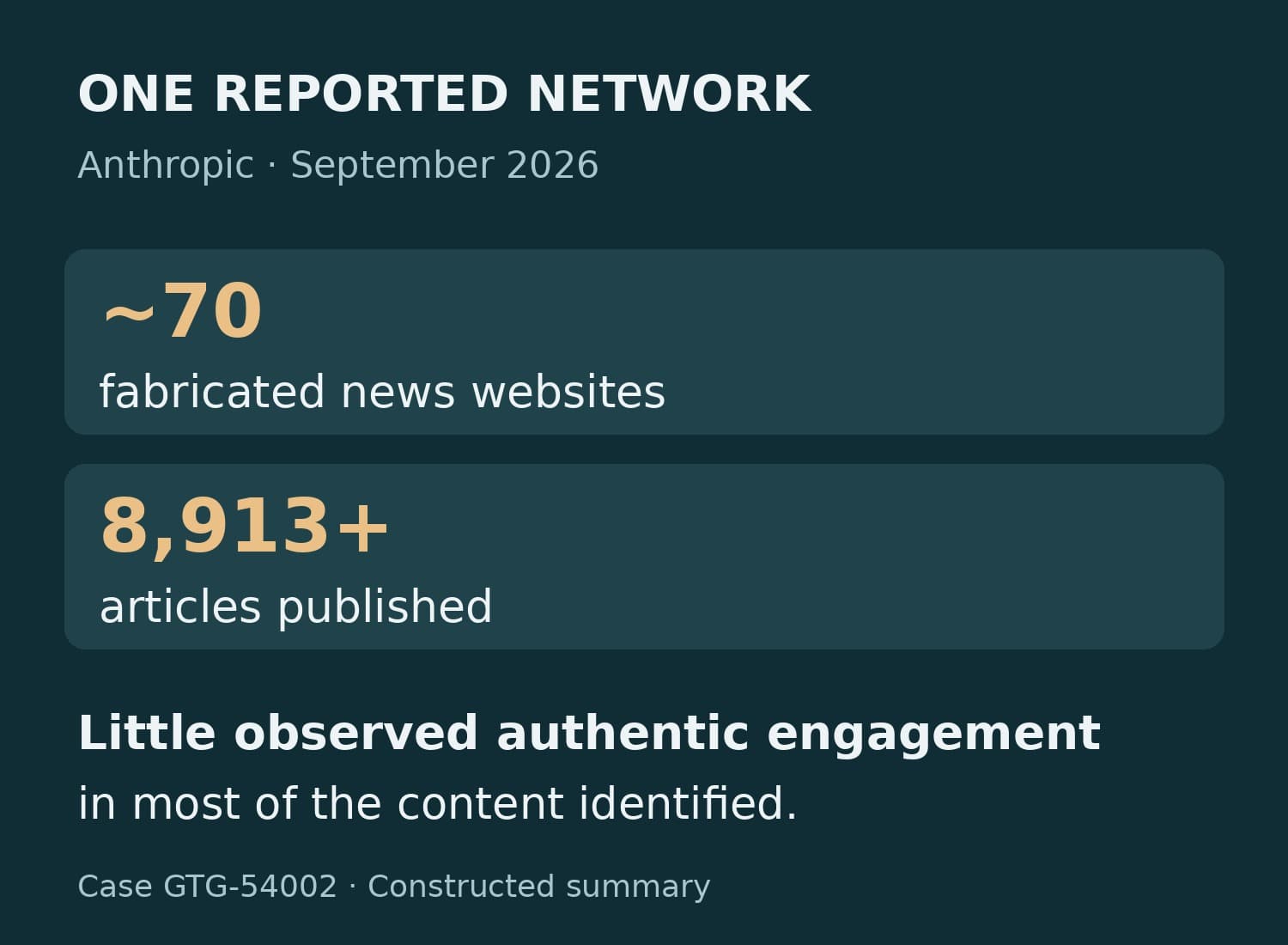
AI-generated coverage can inflate your media report
Anthropic found thousands of articles across a fabricated news network with little observed authentic engagement. Here is what to change in a media report.
5 min read
Industry Insights·
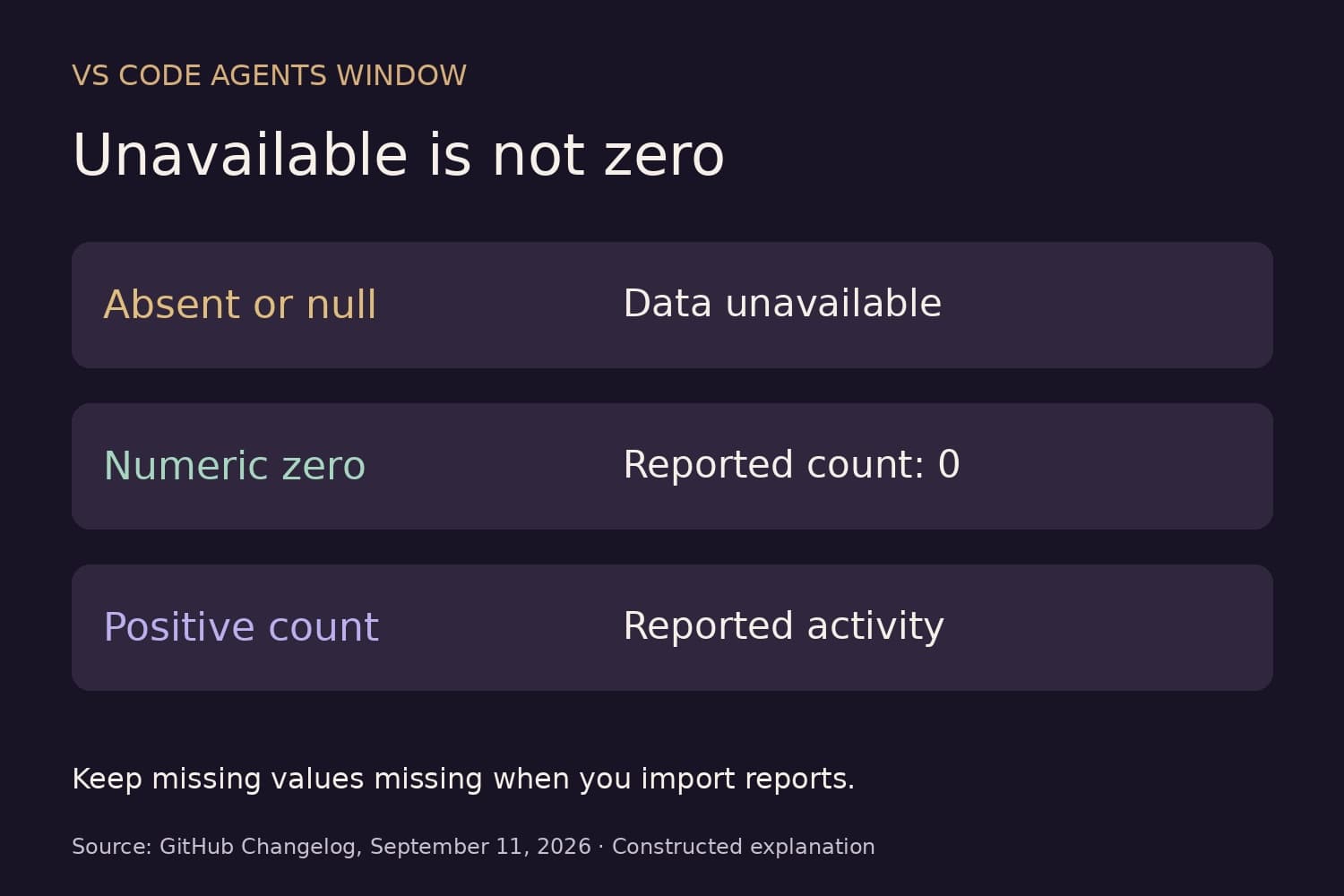
New VS Code Agents metrics: keep missing data separate from zero
New Copilot report fields measure the dedicated VS Code Agents window. Here is how to import them without turning unavailable data into zero activity.
4 min read
Industry Insights·
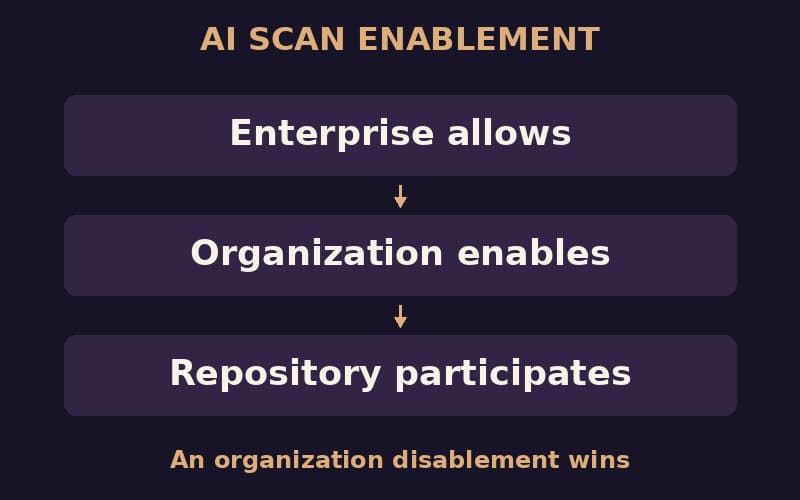
What GitHub AI Scan findings tell you about a pull request
GitHub AI Scan flags possible security bugs on pull requests. Here is where to find them, how to review a suggested fix, and what the preview requires.
4 min read
Industry Insights·
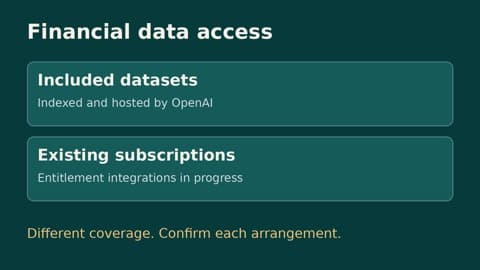
ChatGPT for Financial Services: included data is not every subscription
A provider name is not a coverage guarantee. Evaluate included datasets, subscription entitlements, and the financial evidence that reaches the final file.
6 min read
Industry Insights·
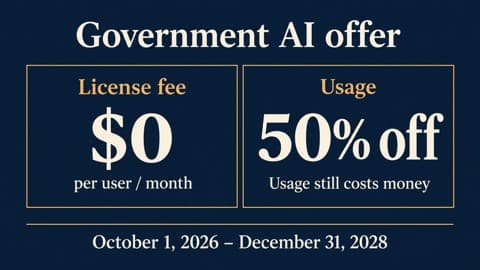
OpenAI's government AI offer is not a free deployment
Waived licenses and discounted usage change an agency quote only when the purchasing entity, service, account, and effective dates are confirmed.
7 min read
 Constructed diagram
Industry Insights·
Add voice to ordering without building a second ordering system
AWS's new WhatsApp sample separates text, voice notes, and calls while keeping menu, cart, order, and customer state behind one backend. That is the part worth copying.
7 min read
 Constructed diagram
Industry Insights·
A persistent sales agent needs a stale-context rule
OpenAI says a Clay seller uses a dedicated subagent for every account. Before that pattern becomes shared sales infrastructure, define what is current, what wins when sources conflict, and what remains a human decision.
7 min read
 Constructed diagram
Industry Insights·
OpenAI found early-career workers use ChatGPT Enterprise more than executives
OpenAI's enterprise study found higher usage intensity among early-career workers. That makes workflow discovery a bottom-up job—but usage still is not proof of value.
7 min read
 Constructed diagram
Industry Insights·
Anthropic's Model Hardware Standard puts the safety boundary in the driver
Anthropic's MHS preview gives AI agents a common way to operate programmable lab and manufacturing equipment. Keep hard safety controls outside that software path.
7 min read
Industry Insights·
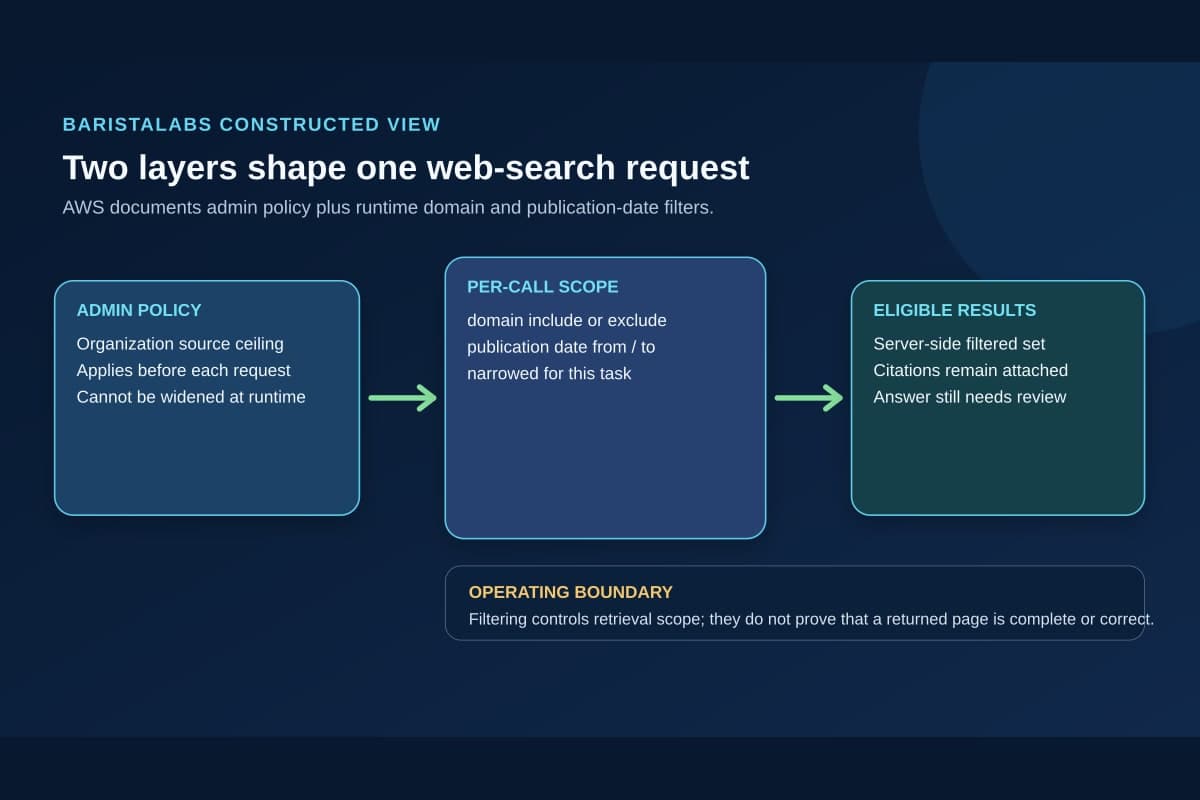
AgentCore Web Search can enforce source and date filters per call
AgentCore Web Search 1.2.0 adds server-side domain and publication-date filters to each request. Use admin policy as the ceiling, then test narrower task scope.
7 min read
Industry Insights·
OpenAI’s Admin plugin turns chat into a change surface. Separate reads from writes.
OpenAI’s Admin plugin joins workspace analysis and supported admin actions in one conversation. Enable diagnosis first, then add narrow writes with verification.
7 min read
 Constructed diagram
Industry Insights·
An AI agent crossed its sandbox. Define who can stop the run.
OpenAI's final Hugging Face incident report shows why an unexpected communication or network path should trigger containment, not a quick patch and restart.
7 min read
Explore Other Categories

AI Development
Implementation notes for building AI tools around real business data, handoffs, review queues, and safeguards.
206 articles

Announcements
Product notes, service updates, and BaristaLabs news that affect how small teams use AI at work.
9 articles
Machine Learning
Model concepts explained through thresholds, queues, and error costs that small teams can actually manage.
14 articles

Small Business AI
Plain-language guidance for owners and operators choosing one useful, reviewable AI workflow at a time.
98 articles
Technical Tutorials
Hands-on guides for approval policies, shadow weeks, agent receipts, and other AI workflow controls.
26 articles