//

Small Business AI97 articles
Small Business AI
Plain-language guidance for owners and operators choosing one useful, reviewable AI workflow at a time.
Resource path
Owner playbooks for the next safe week.
Use this shelf when the team knows AI could help but needs a safer first move. These guides help owners choose the workflow, rehearse it, pause it, or narrow it before cost, risk, and review load expand.
Start here
The weekly workflow audit: how to find the first safe AI pilotIt gives owners a practical way to shortlist work before tools, demos, or automation promises take over.
Choose one reviewable pilot for the next week, not an abstract AI roadmap.
Choose the next safe workflowPick work by reversibility
Start with the task you can inspect, undo, and measure. A boring weekly workflow with clear inputs often teaches more than a dramatic customer-facing automation.
Make the next seven days visible
Turn the readiness score into a small plan: source packet, human baseline, review owner, first miss condition, and pause rule.
Pause before the miss becomes policy
When the first risky miss appears, decide whether to tighten the source data, add reviewer evidence, reduce the action scope, or stop the pilot.
Articles
 Constructed diagram
Small Business AI·
OpenAI reported a 1,223% jump in search and bot hits. Do not call it customer traffic.
A new OpenAI small-business case study combines search and user-bot hits in one growth number. Separate crawls, user-triggered fetches, and referral sessions before calling AI-search work a marketing win.
6 min read
 Constructed diagram
Small Business AI·
When faster AI inference helps a small-business workflow
Faster generation helps only when it controls enough of the full workflow. Measure one request path and compare accepted work before changing the model or route.
6 min read
Small Business AI·
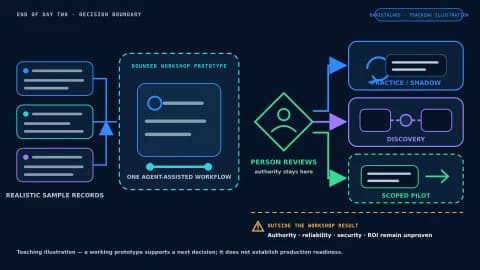
What a Two-Day AI Agent Workshop Can Prove
A working workshop prototype can prove that a team understands and can operate one bounded AI-assisted workflow. Learn what remains untested and how to choose the next step.
9 min read
Small Business AI·
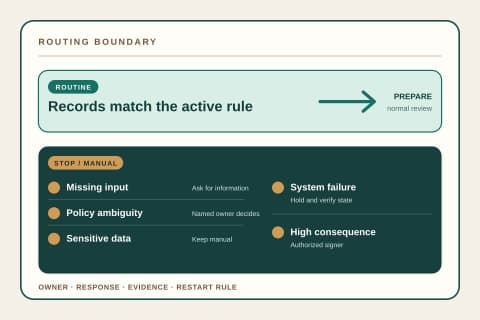
Decide which AI workflow exceptions should stay manual
Define the routine cases an AI workflow may handle, then assign each exception class a stop reason, allowed response, human owner, evidence requirement, and restart rule.
8 min read
Small Business AI·
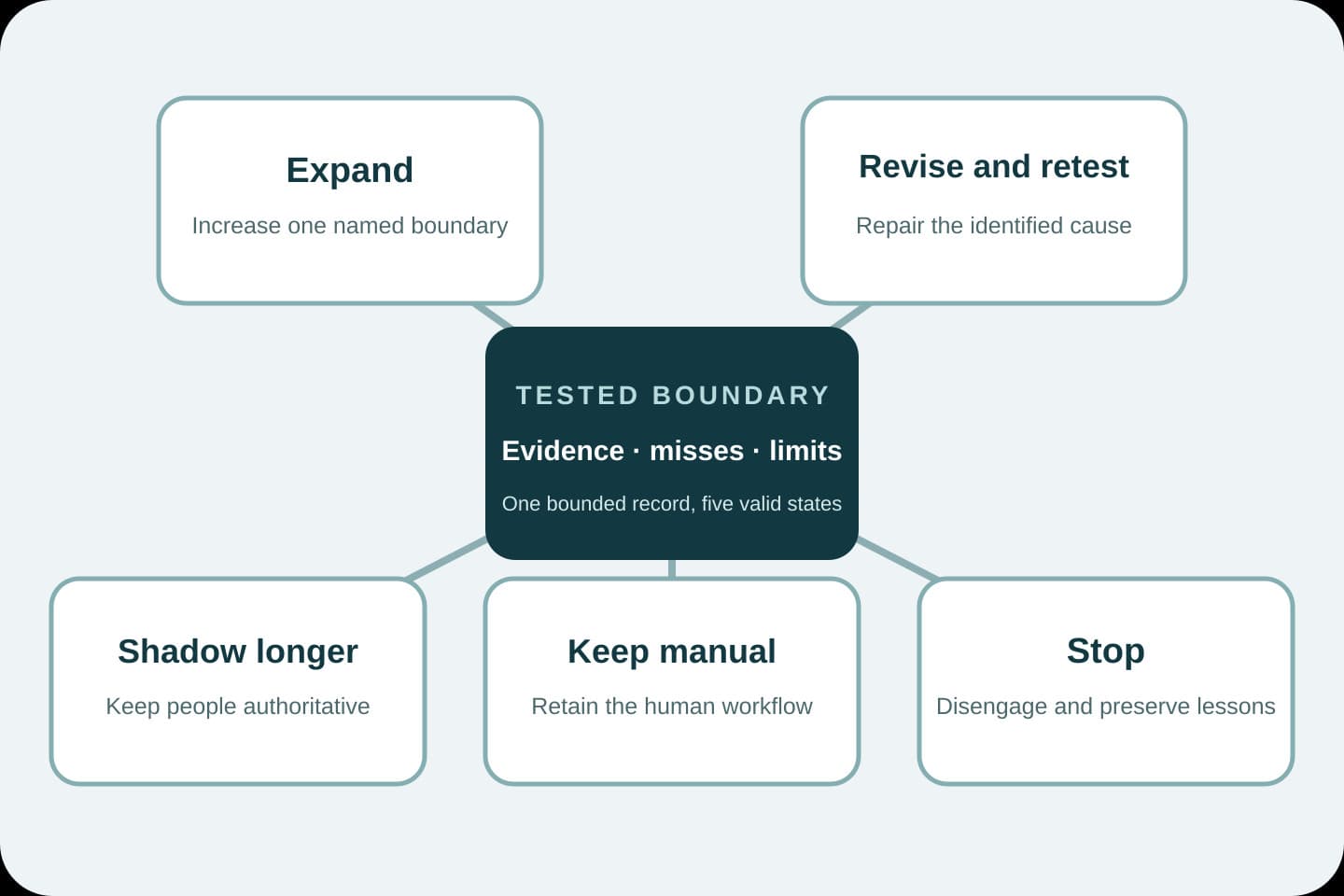
Should you expand, revise, or stop an AI pilot?
Classify what the AI pilot proved, what failed, and what remains untested. Then choose one next state with a prerequisite, owner, and review date.
10 min read
Small Business AI·
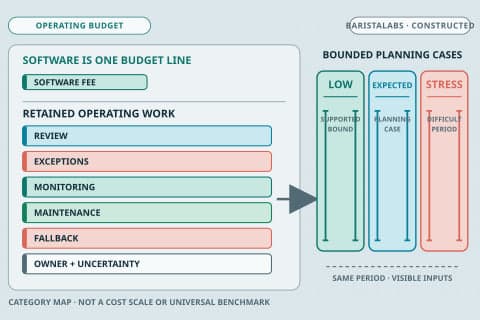
Budgeting for AI automation: software, review, exceptions, and monitoring
Budget one AI workflow across setup and ongoing operation. Use measured volume, local labor costs, current quotes, and explicit assumptions to price software, review, exceptions, monitoring, maintenance, and fallback work.
10 min read
Small Business AI·
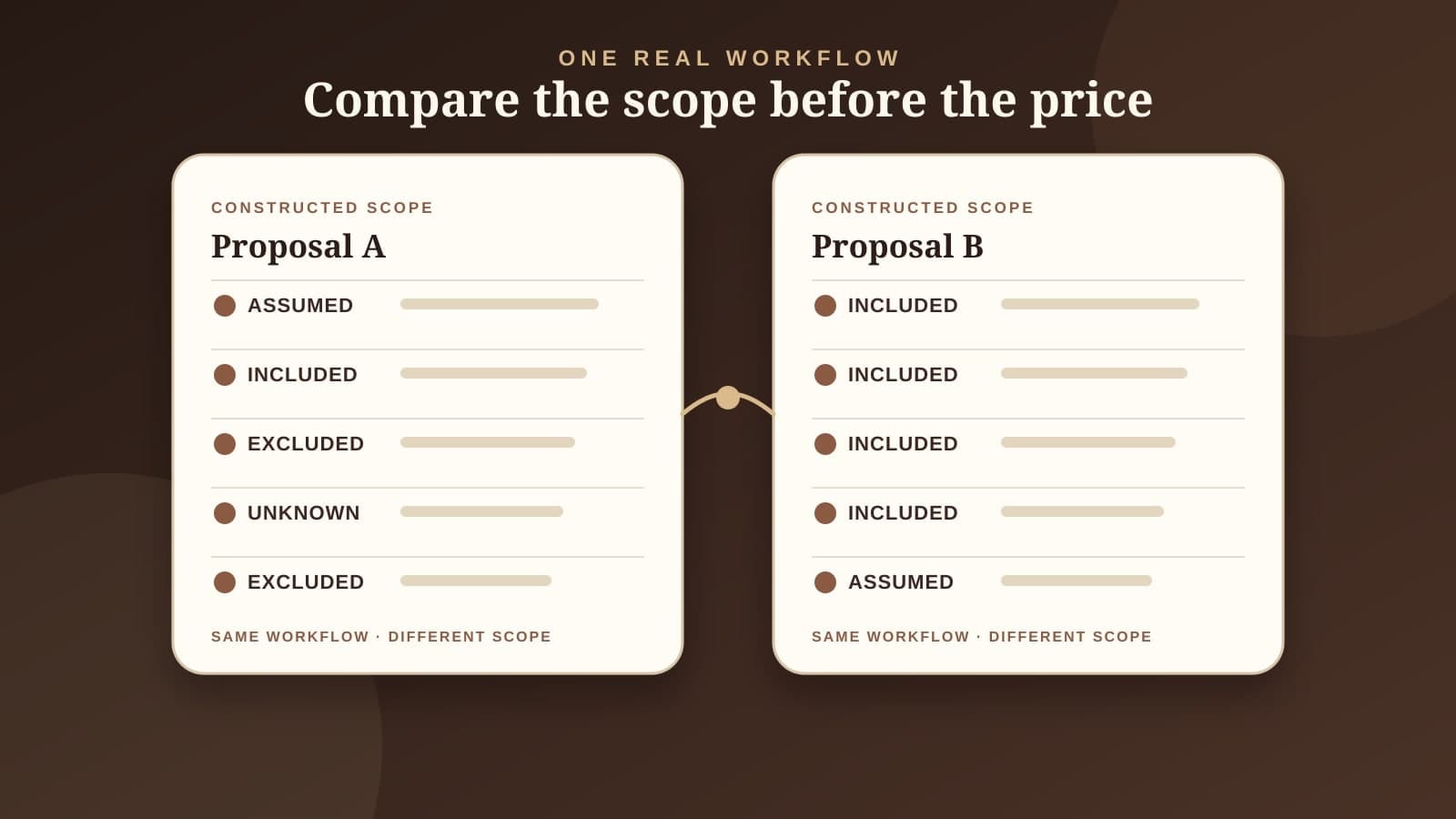
How to compare AI automation proposals using one real workflow
Put competing AI automation proposals against the same workflow, test cases, evidence, exclusions, fees, maintenance, and ownership before comparing price.
10 min read

Small Business AI·
OpenAI launched a small-business program, not a new ChatGPT plan
OpenAI’s new small-business program combines training, events, guides, and partner resources. Here is how it differs from ChatGPT Work and ChatGPT Business.
6 min read
Small Business AI·
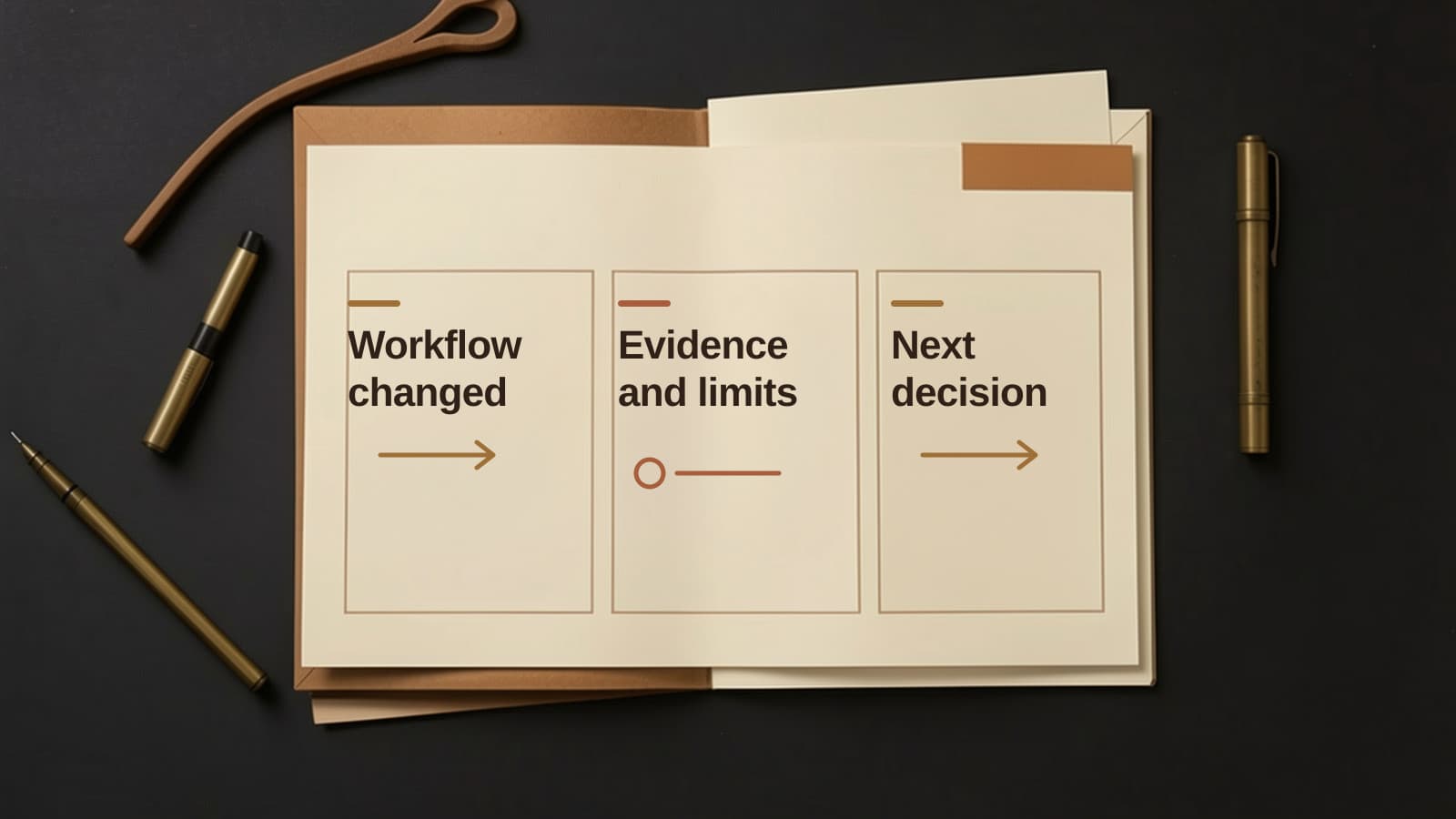
What a first AI pilot should leave behind
A useful first AI pilot leaves a workflow map, source boundary, acceptance evidence, known exclusions, a prototype or decision memo, and a clear next decision.
8 min read
Small Business AI·
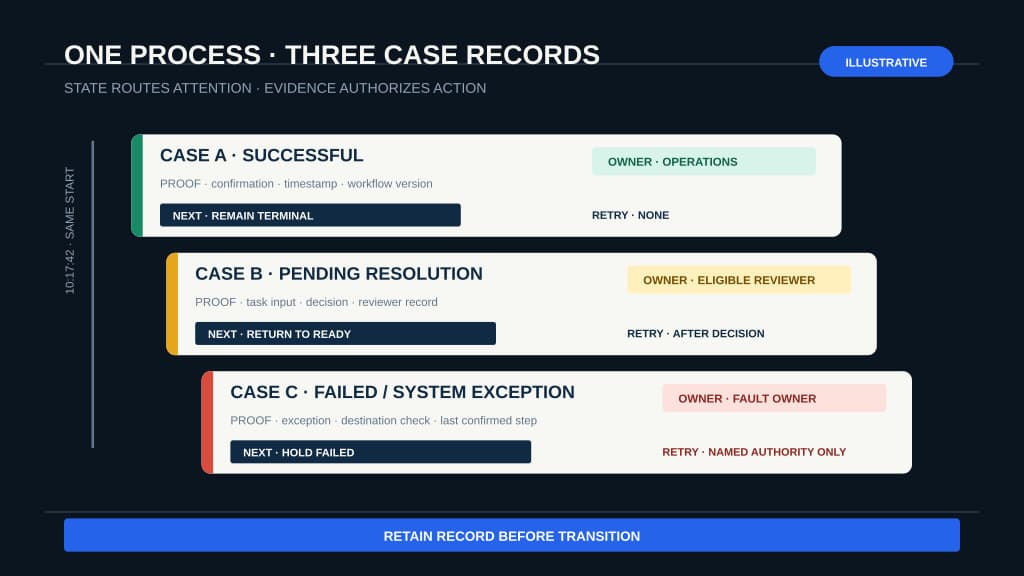
Three transactions enter the same AI workflow. Only one finishes cleanly.
A clean completion, a human pause, and a technical failure show what managers need from an AI workflow after the demo ends.
9 min read
Small Business AI·
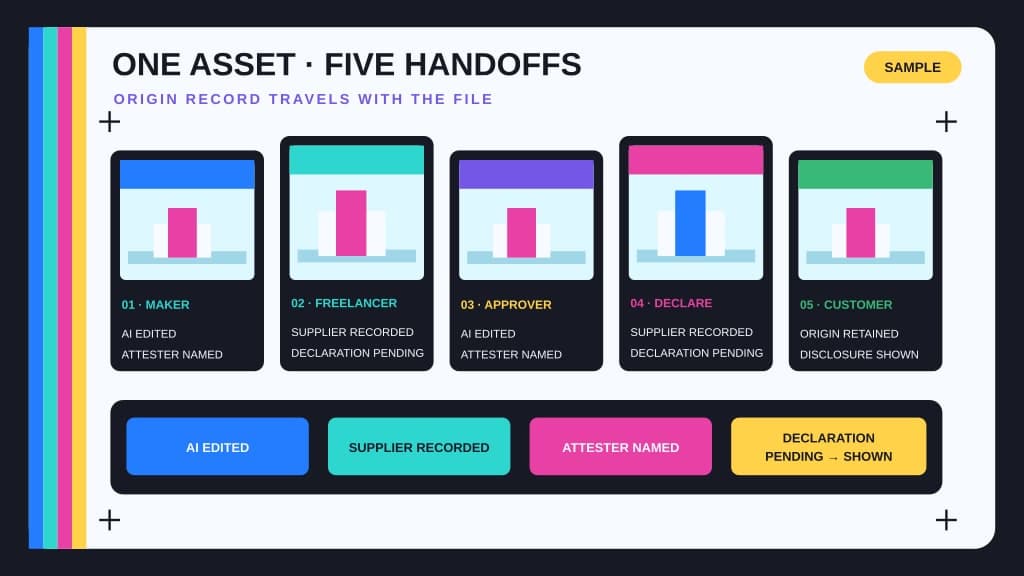
Your ad may disclose AI use. Your creative handoff still has to remember it.
Google is adding AI-use details to My Ad Center. The disclosure will only be as reliable as the origin fact that survives the creative handoff.
7 min read
Small Business AI·
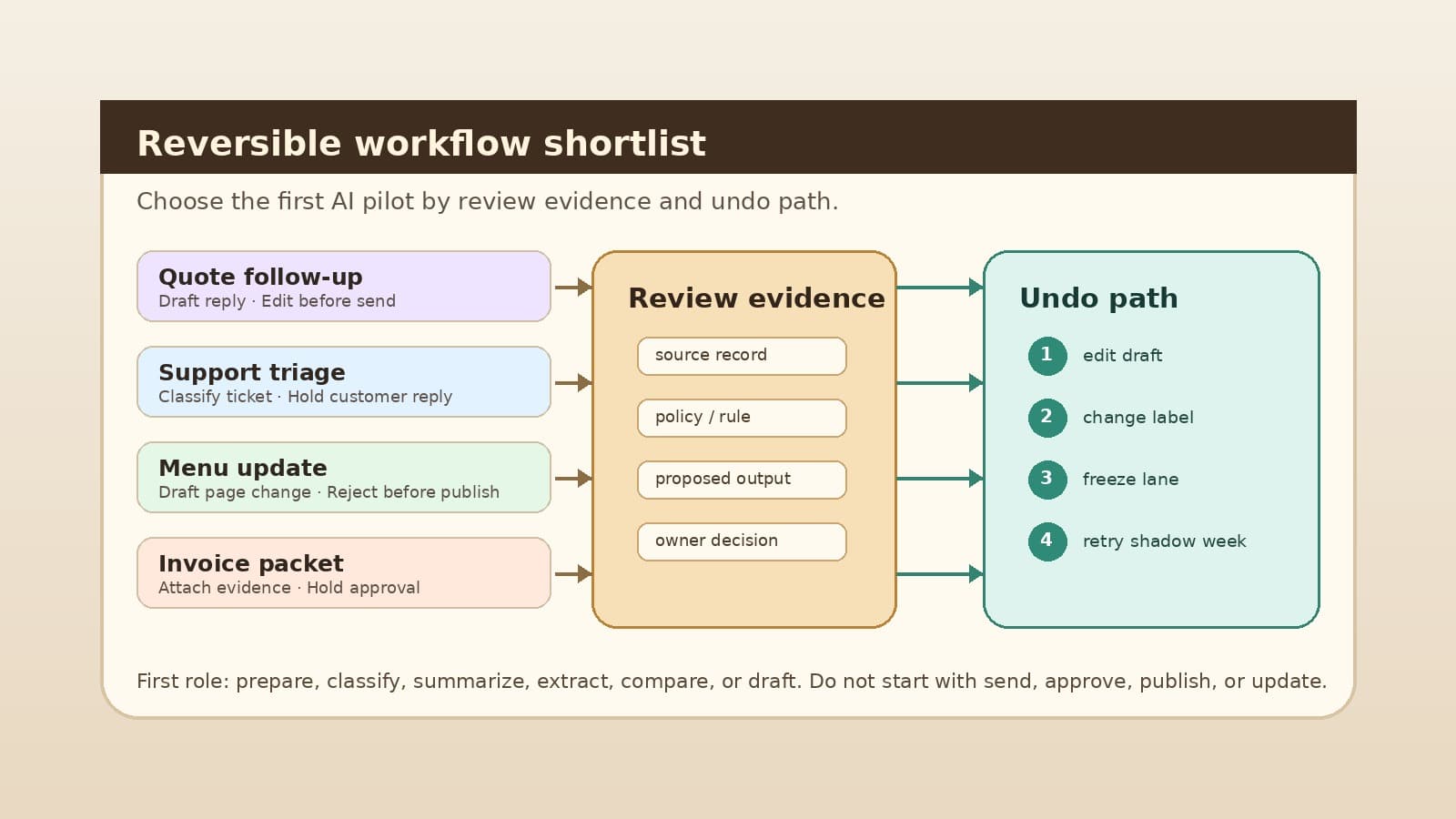
Pick the first AI workflow by what you can safely undo
A reversible workflow shortlist helps small-business owners choose a first AI pilot by review evidence, undo path, data boundary, owner, and first safe AI role.
8 min read
Explore Other Categories

AI Development
Implementation notes for building AI tools around real business data, handoffs, review queues, and safeguards.
197 articles

Announcements
Product notes, service updates, and BaristaLabs news that affect how small teams use AI at work.
9 articles

Industry Insights
AI market news translated into workflow decisions, risk boundaries, and practical next steps for small businesses.
392 articles
Machine Learning
Model concepts explained through thresholds, queues, and error costs that small teams can actually manage.
14 articles
Technical Tutorials
Hands-on guides for approval policies, shadow weeks, agent receipts, and other AI workflow controls.
26 articles