Machine Learning·
Calibrate AI scores before setting an approval threshold
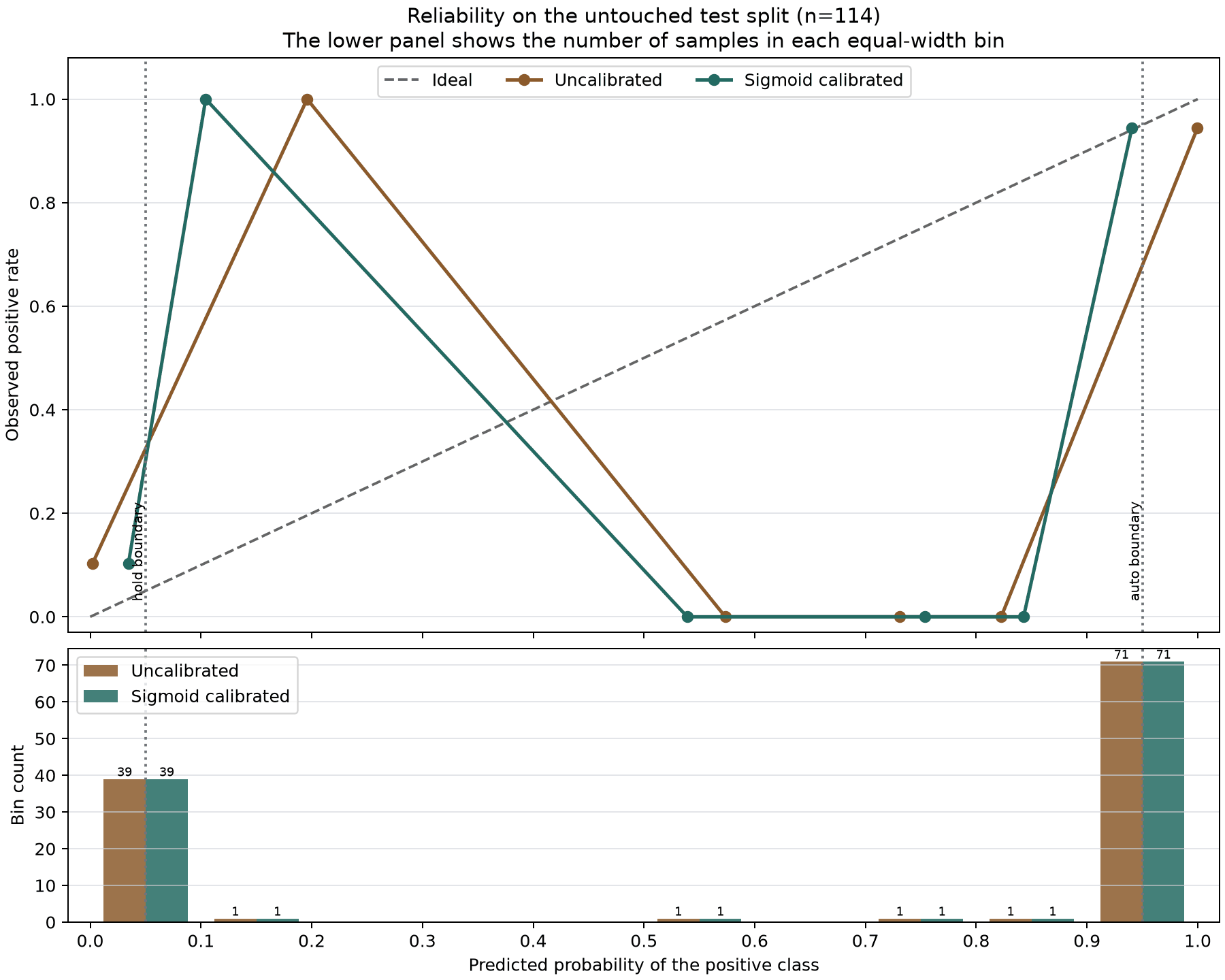
A reproducible scikit-learn example that separates ranking from calibration, plots bin counts, and shows how one numeric threshold can change an approval queue.
11 min read
Search articles, pages, and resources across BaristaLabs.
Start typing to search...

Page 13 of 64
Insights on AI, machine learning, and technology strategy
A reproducible scikit-learn example that separates ranking from calibration, plots bin counts, and shows how one numeric threshold can change an approval queue.
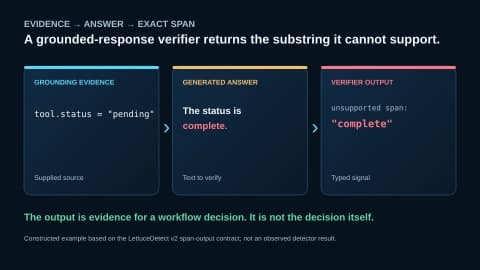
Semantic Router can now serve LettuceDetect v2 as a separate span-level verifier. The useful decision is what your application does with its signal.
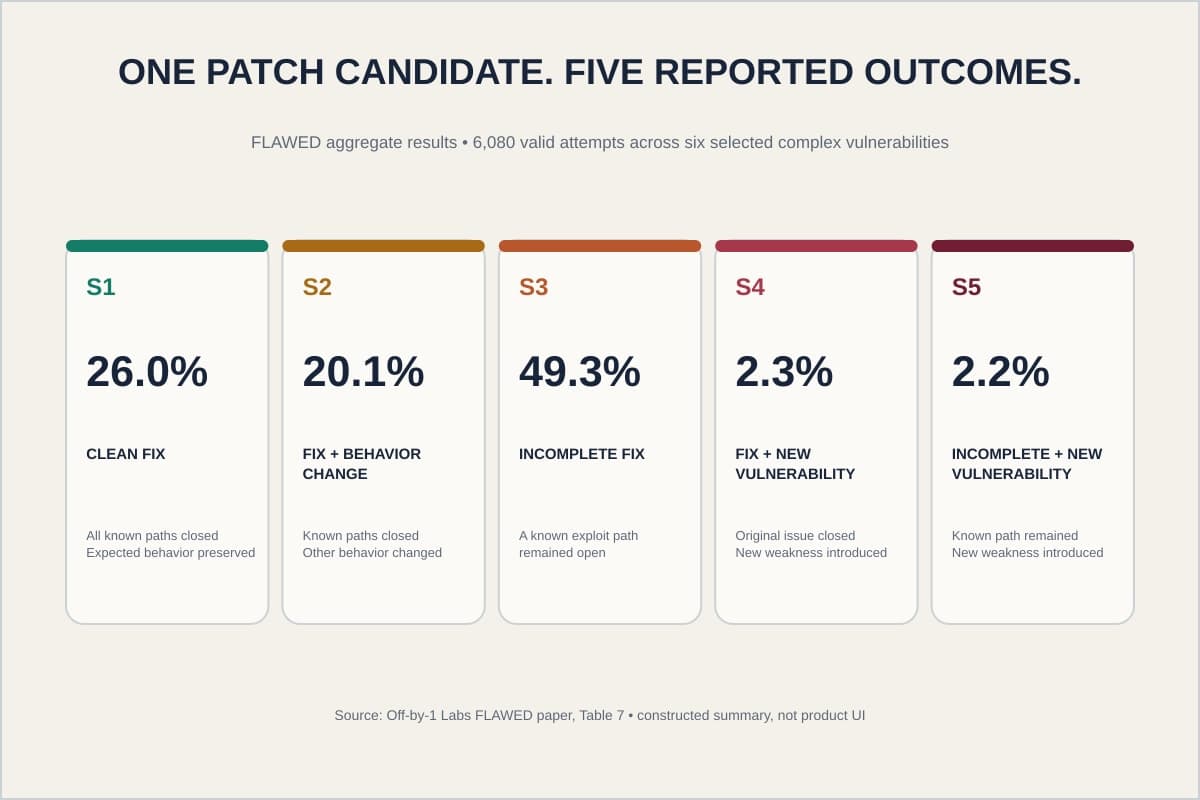
1Password's FLAWED study separates clean fixes, behavior-changing fixes, incomplete fixes, and introduced vulnerabilities across 6,080 AI patch attempts.
 Constructed diagram
Cloudflare Kitesurf uses less CPU and memory but takes longer in vendor tests. Trial one-shot browser jobs and keep stateful work on Chromium.
 Constructed diagram
A provider failure could look like a completed Microsoft Agent Framework workflow with an empty message. Version 1.17.0 restores the failure state.
 Constructed diagram
The 2026 AI in Design report shows designers moving into code, systems, and product decisions while formal performance measures change more slowly.
 Constructed diagram
AWS's MCP bridge lets a cloud agent call local tools. Trace where local permissions begin and test the boundary before connecting real files.
 Constructed diagram
SAFE is a draft proposal for sharing AI incidents. Use its eight-layer review to test whether your logs can reconstruct one failure.
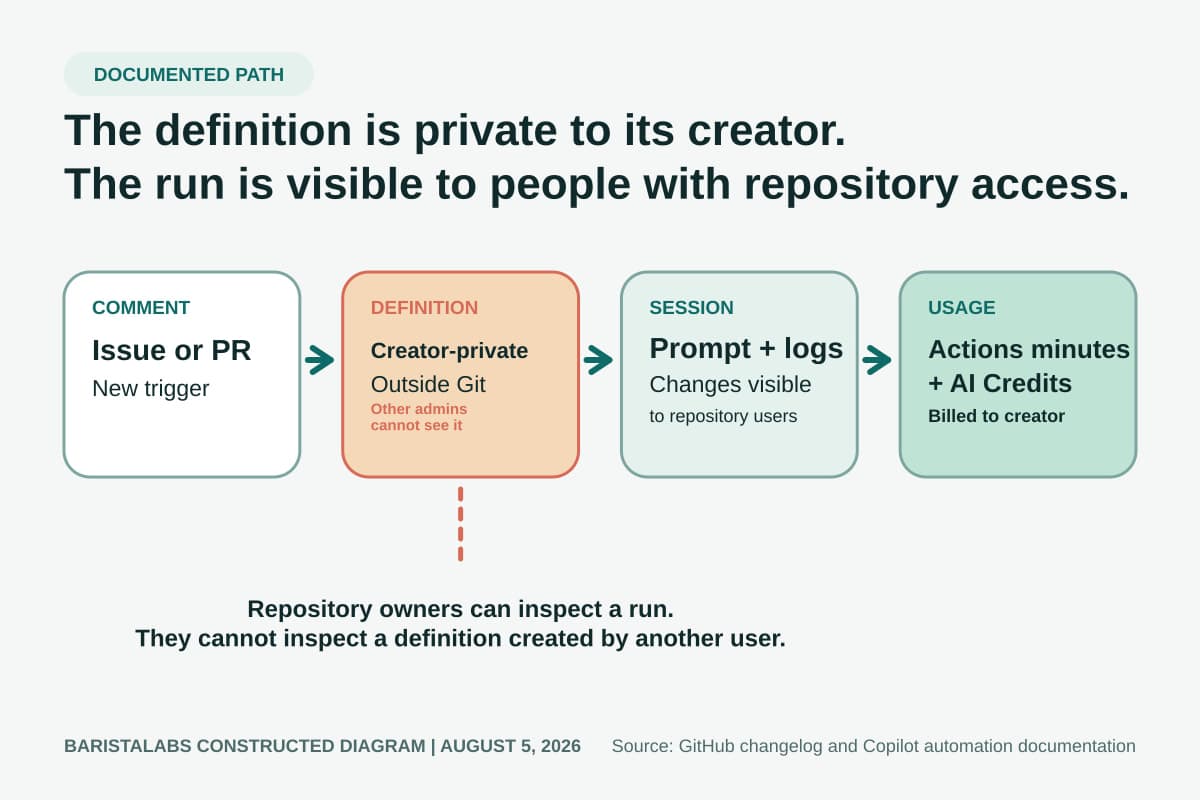
A visible comment can start a Copilot automation whose definition only its creator can inspect. Follow the run from trigger to definition, output, and usage before enabling it.
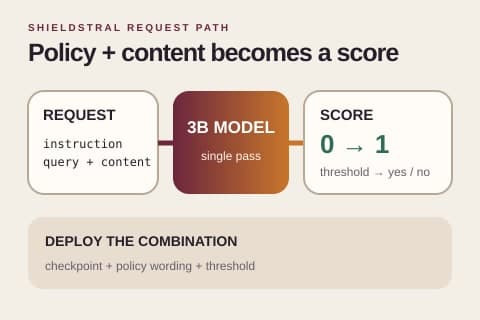
A policy-adaptive guard model can change behavior without a new checkpoint. Treat the exact policy text, threshold, and regression evidence as part of every release.
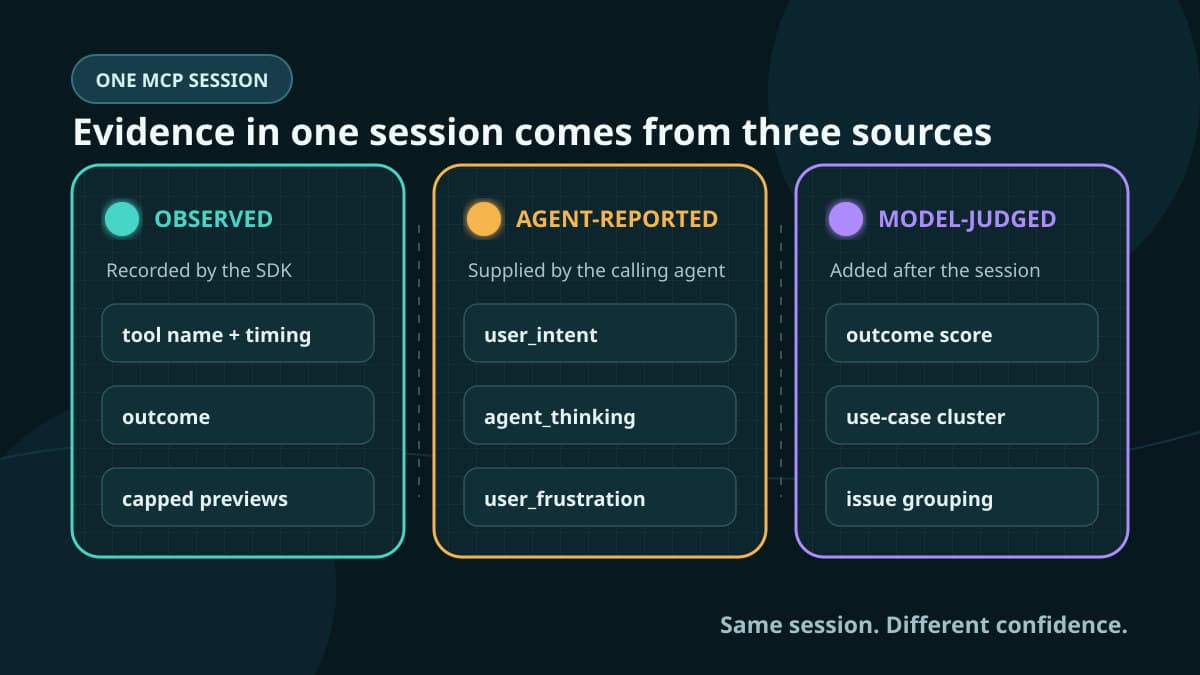
Armature combines observed MCP execution with context supplied by the calling agent and judgments made later. Product and release decisions should keep those sources separate.
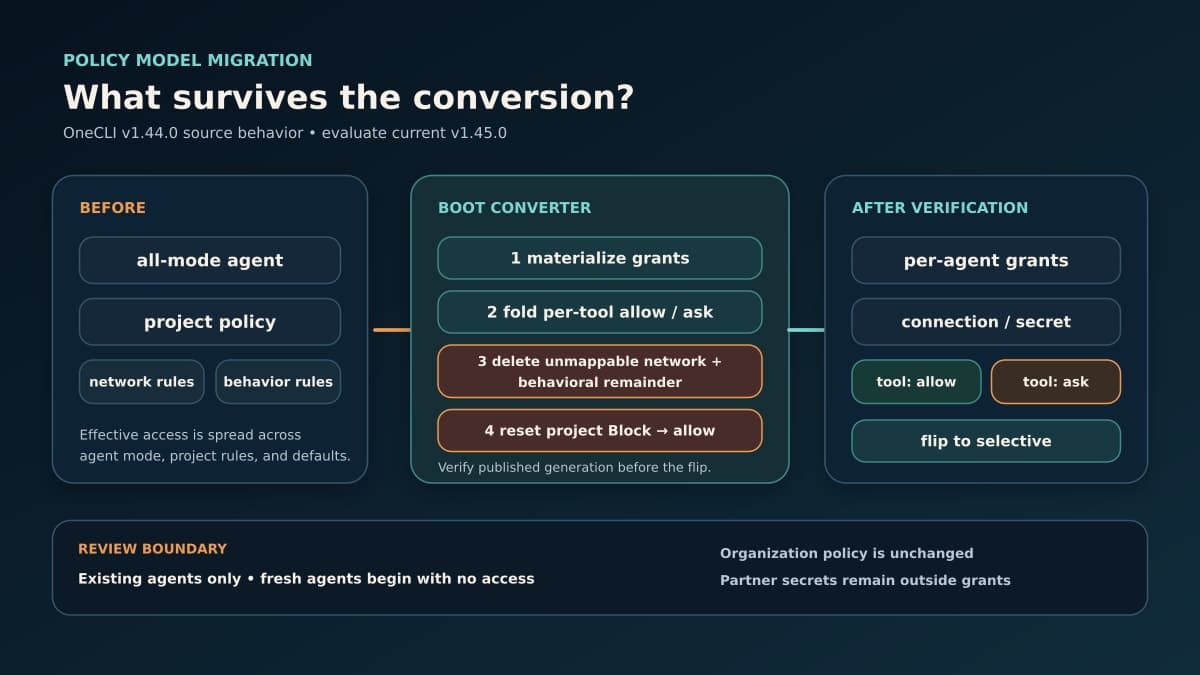
OneCLI's grants migration converts expressible credential access, removes rules it cannot map, and resets one project default. A staged before-and-after access diff shows whether v1.45 is ready to promote.
Dive deeper into the subjects that matter to you

Implementation notes for building AI tools around real business data, handoffs, review queues, and safeguards.

Product notes, service updates, and BaristaLabs news that affect how small teams use AI at work.

AI market news translated into workflow decisions, risk boundaries, and practical next steps for small businesses.
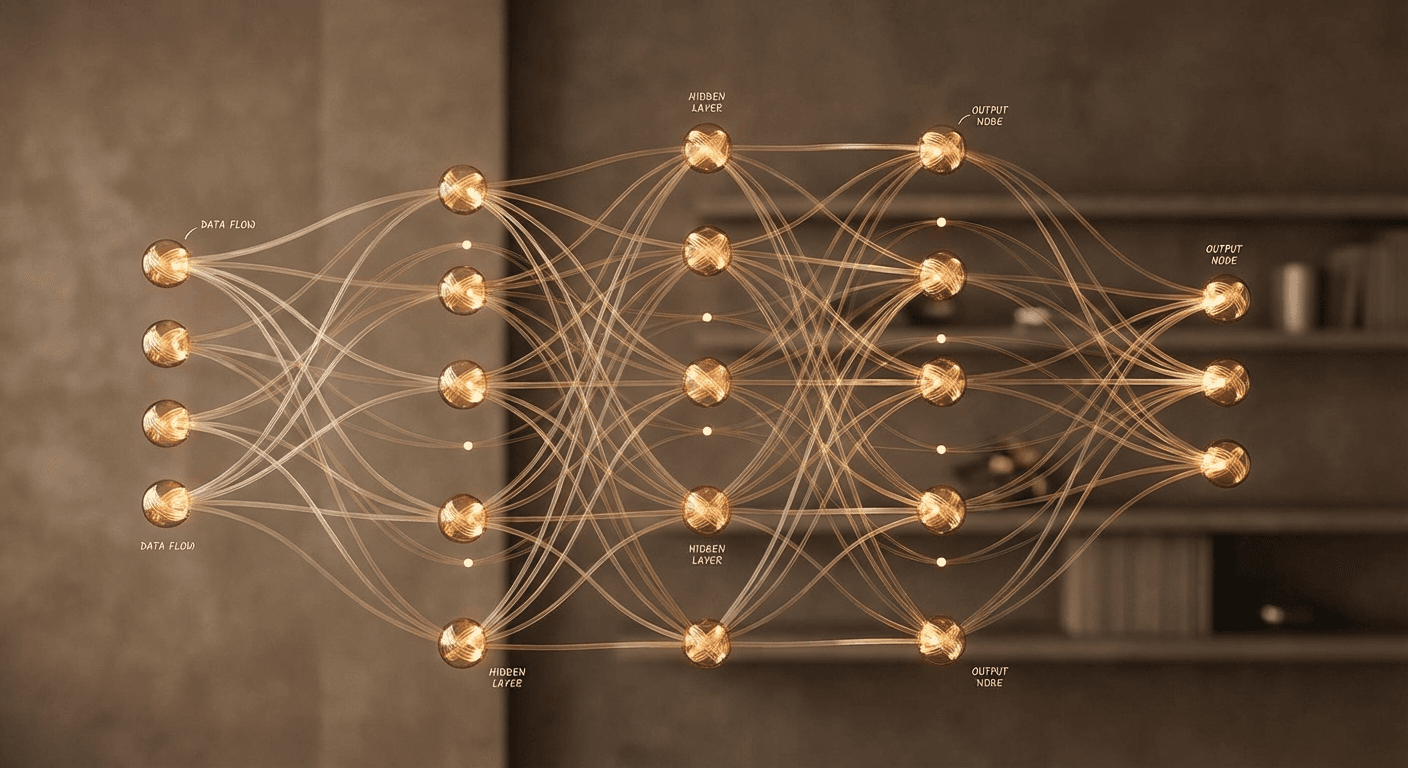
Model concepts explained through thresholds, queues, and error costs that small teams can actually manage.

Plain-language guidance for owners and operators choosing one useful, reviewable AI workflow at a time.
Hands-on guides for approval policies, shadow weeks, agent receipts, and other AI workflow controls.