//
Industry Insights392 articles · Page 3 of 33
Industry Insights
AI market news translated into workflow decisions, risk boundaries, and practical next steps for small businesses.
Industry Insights articles, page 3
Industry Insights·
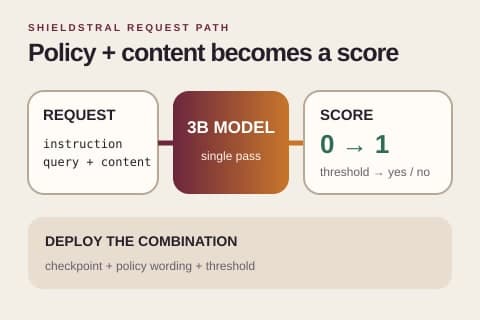
Shieldstral makes moderation policy a release dependency
A policy-adaptive guard model can change behavior without a new checkpoint. Treat the exact policy text, threshold, and regression evidence as part of every release.
7 min read
Industry Insights·
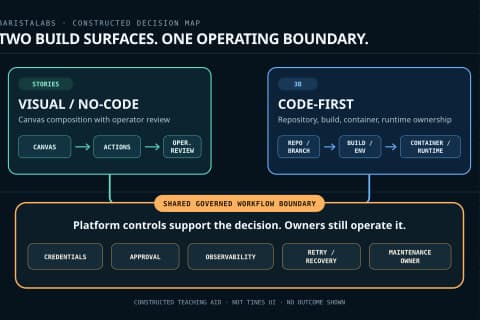
Tines 3B gives automation teams a code-first platform choice
Tines now has two parallel workflow products. The useful decision is which build and maintenance surface your team can own after launch.
8 min read
 Constructed diagram
Industry Insights·
The EU AI Act's transparency rules apply now. Start with the public surface.
EU AI Act Article 50 transparency duties now apply. Provider marking, deployer labelling, deepfakes, public-interest text, and optional icons are separate decisions.
8 min read
Industry Insights·
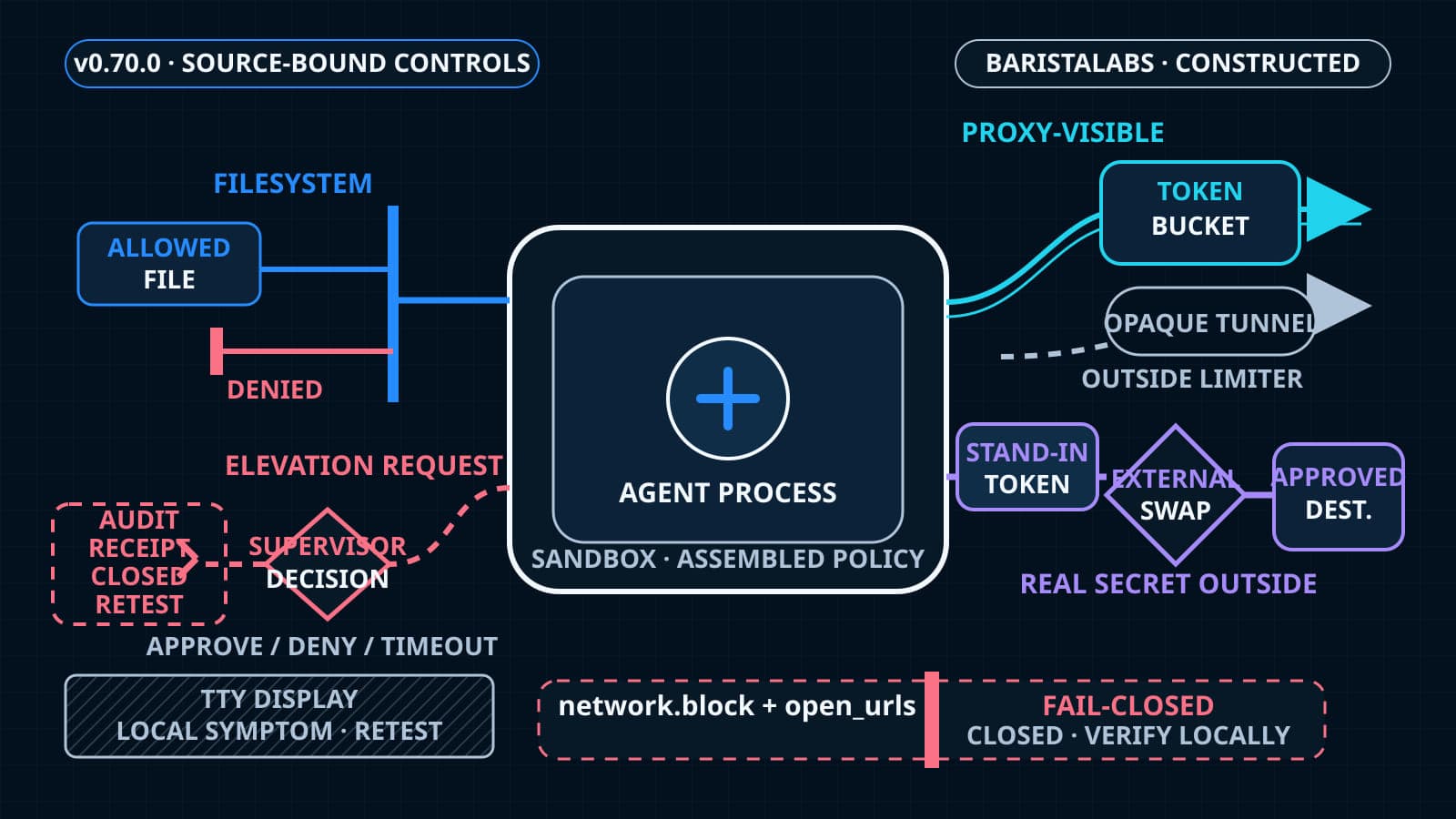
Test Nono 0.70 by control path, not by release tag
Nono v0.70.0 adds useful sandbox controls, but the release tag does not make every authority path equally mature. Here is what teams can test now and what should wait.
8 min read
Industry Insights·
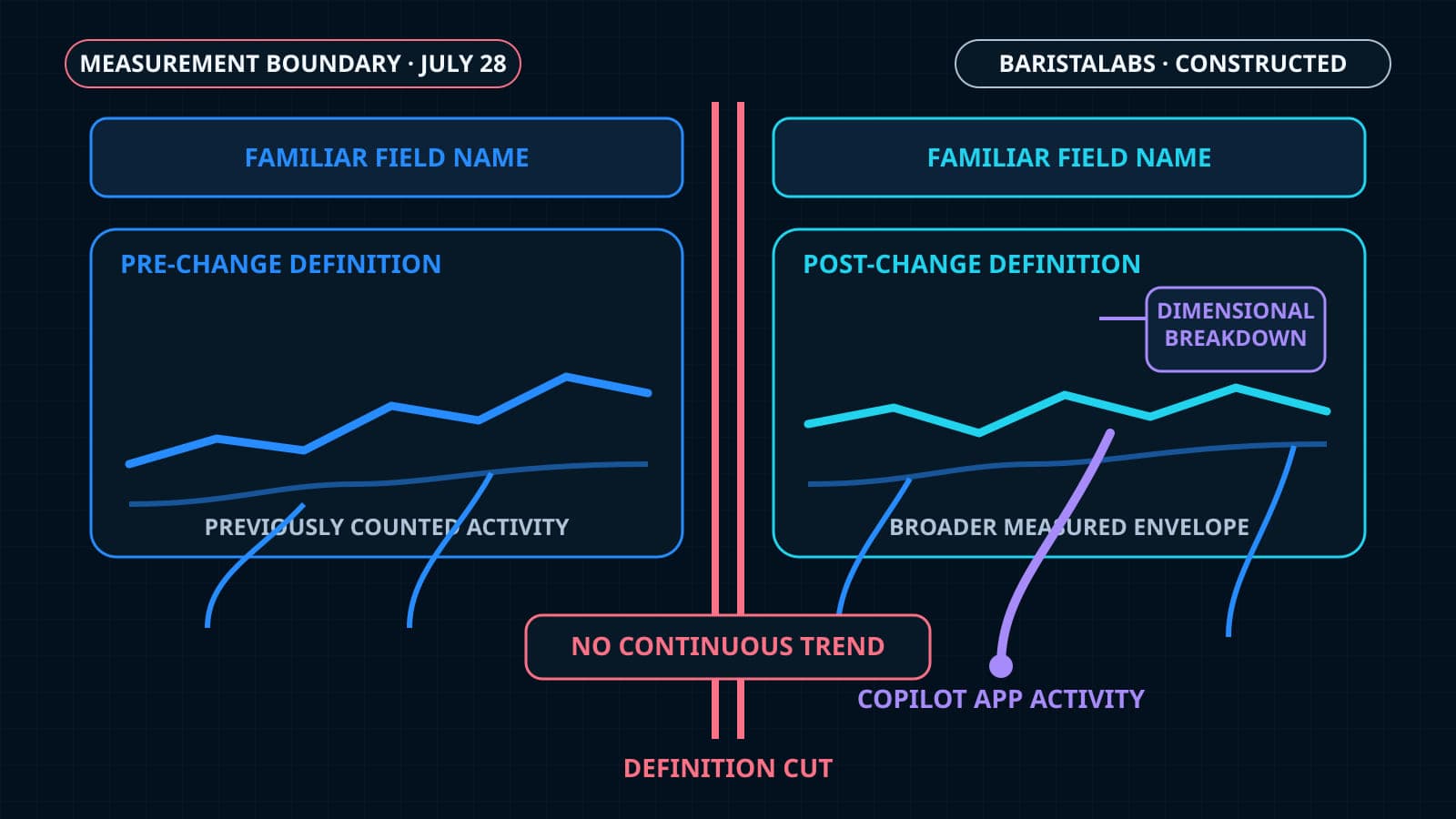
GitHub Copilot app metrics changed what your trend line counts
GitHub now includes Copilot app activity in active-user, code, model, language, and feature totals. Mark the definition change before comparing trends.
7 min read
Industry Insights·
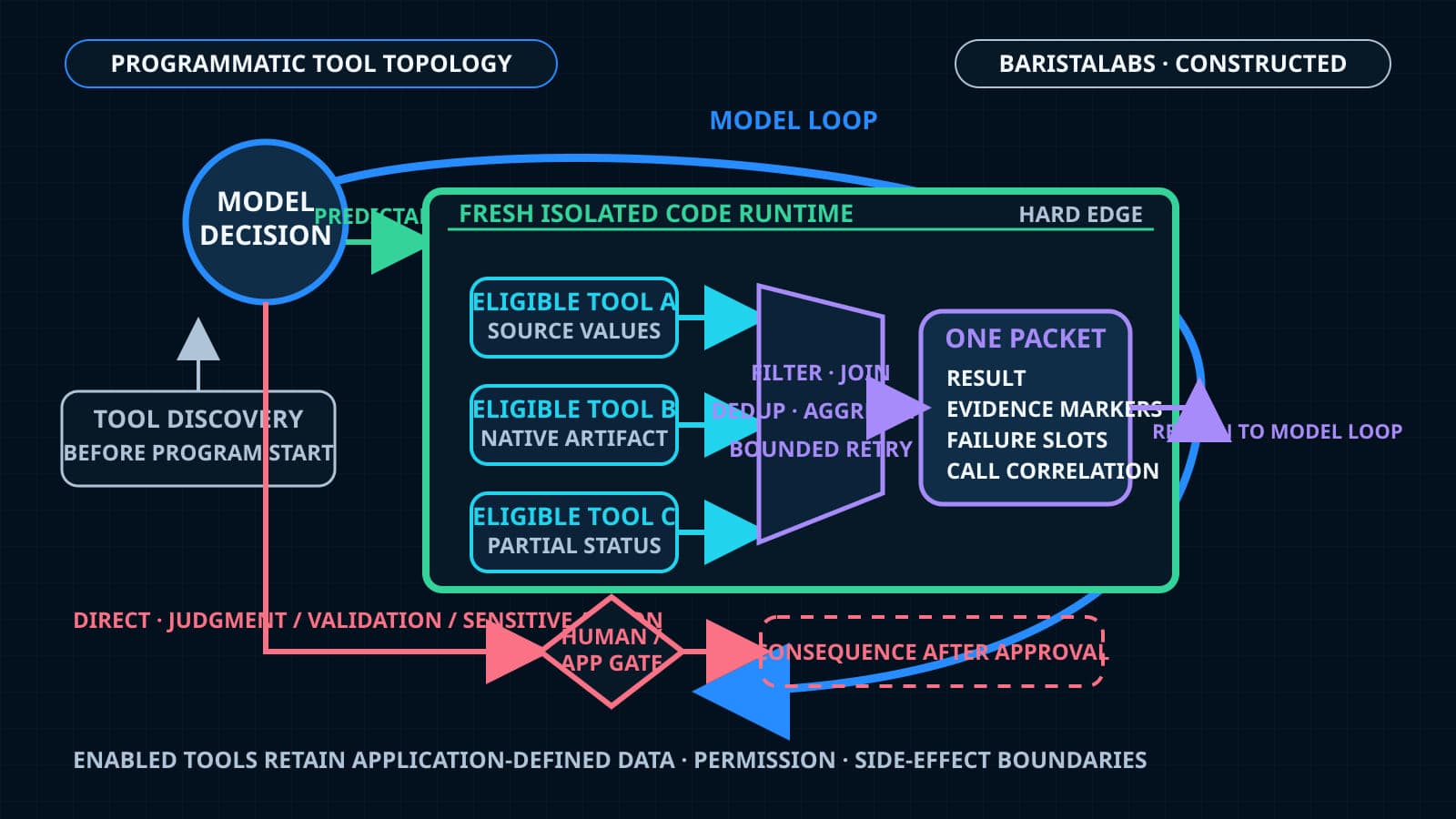
OpenAI Programmatic Tool Calling moves predictable tool work into code
Supported Responses models can generate JavaScript that OpenAI runs to coordinate eligible tools. Use programmatic calling for predictable stages; keep judgment and approval-sensitive work direct.
7 min read
Industry Insights·
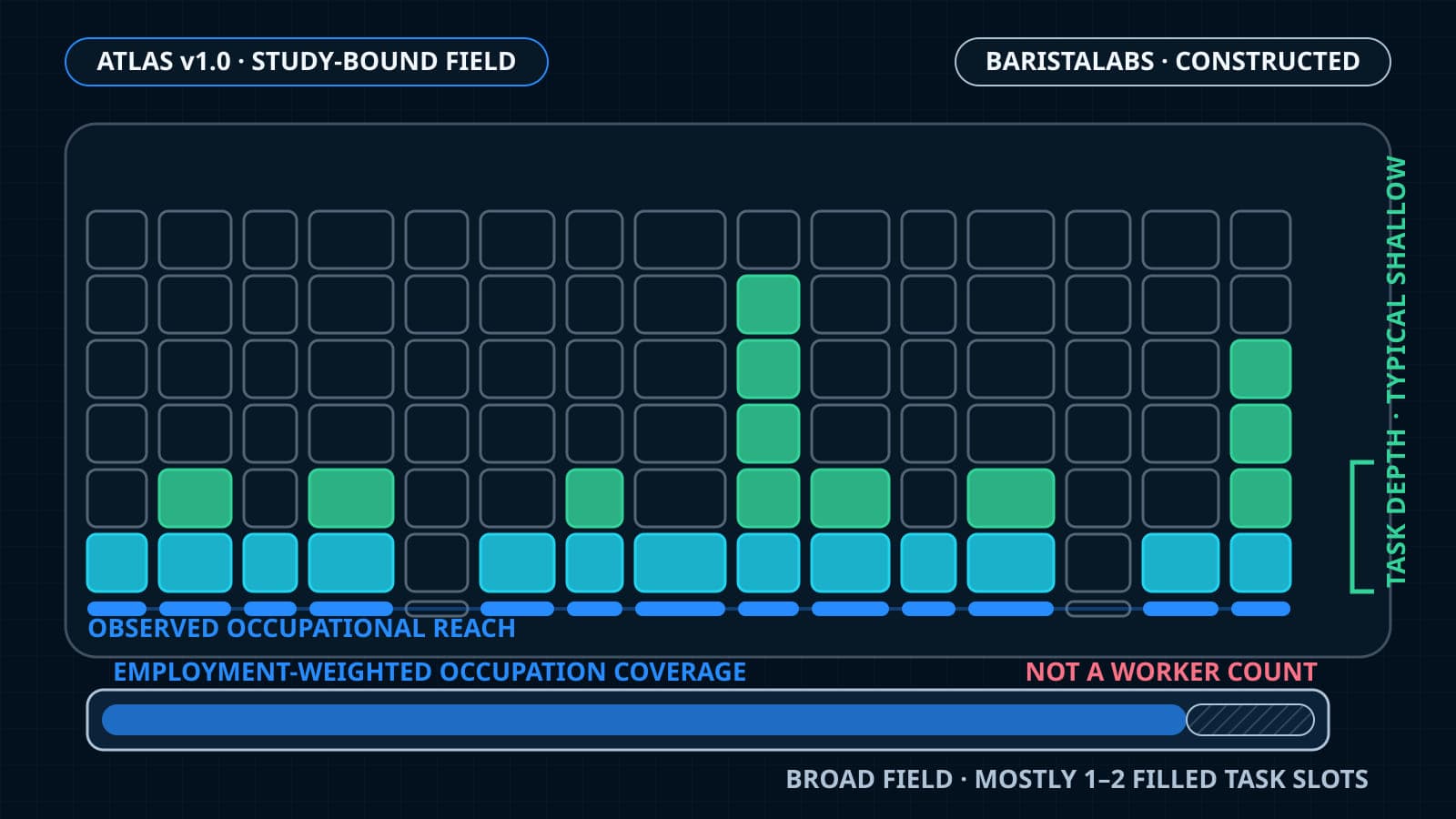
Google’s ATLAS found broad workplace AI use. Task coverage was still shallow.
Google ATLAS found AI use in occupations covering 88.4% of U.S. employment. Where at least one task cleared Google’s threshold, median saturation was 21%.
8 min read
Industry Insights·
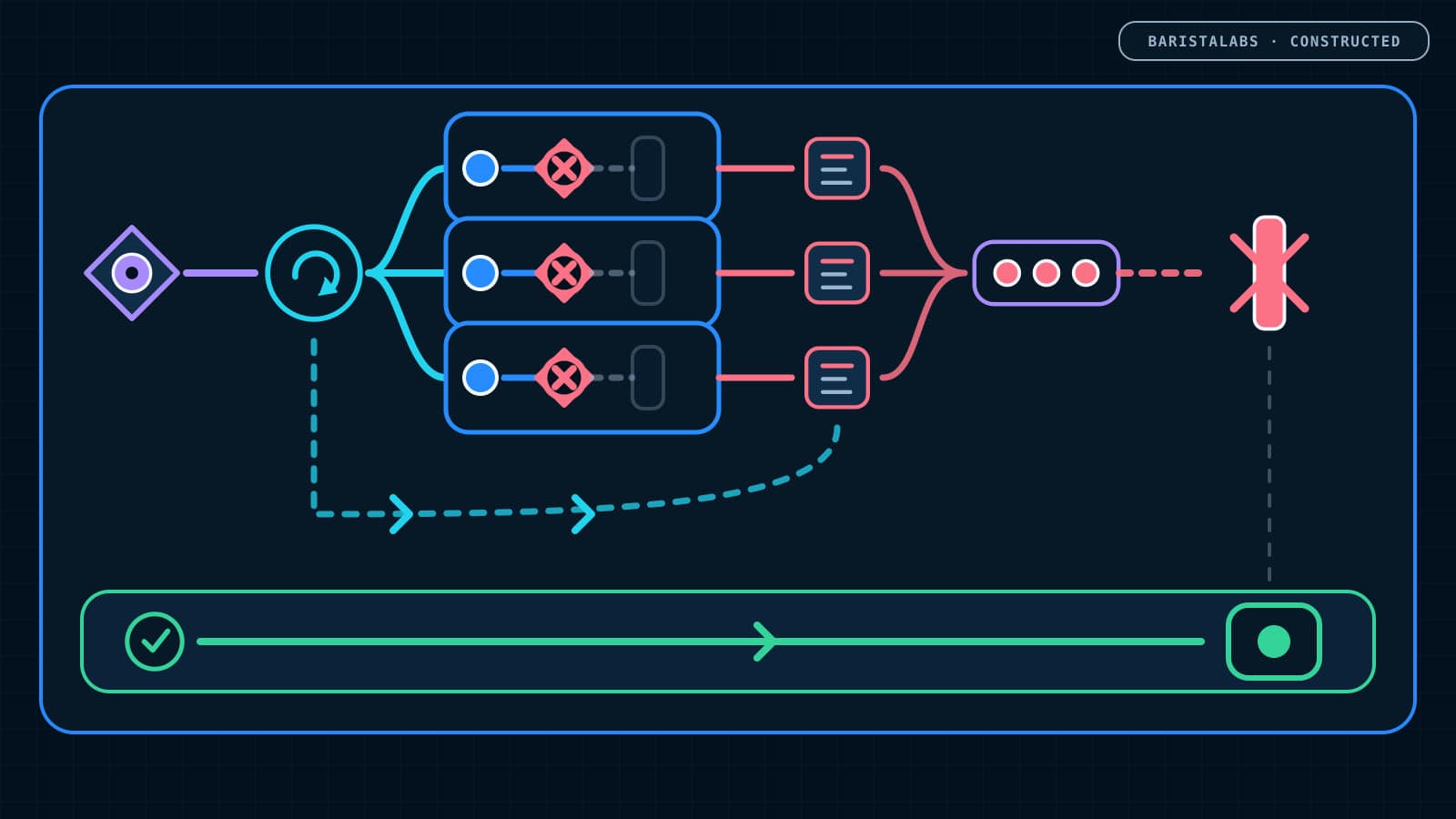
n8n's AI agent never started. The scheduler still created about 600 error runs.
n8n 2.31.6 skips another machine-started AI follow-up after three consecutive errors. The incident shows why startup failures and scheduler re-entry need one test.
5 min read
Industry Insights·
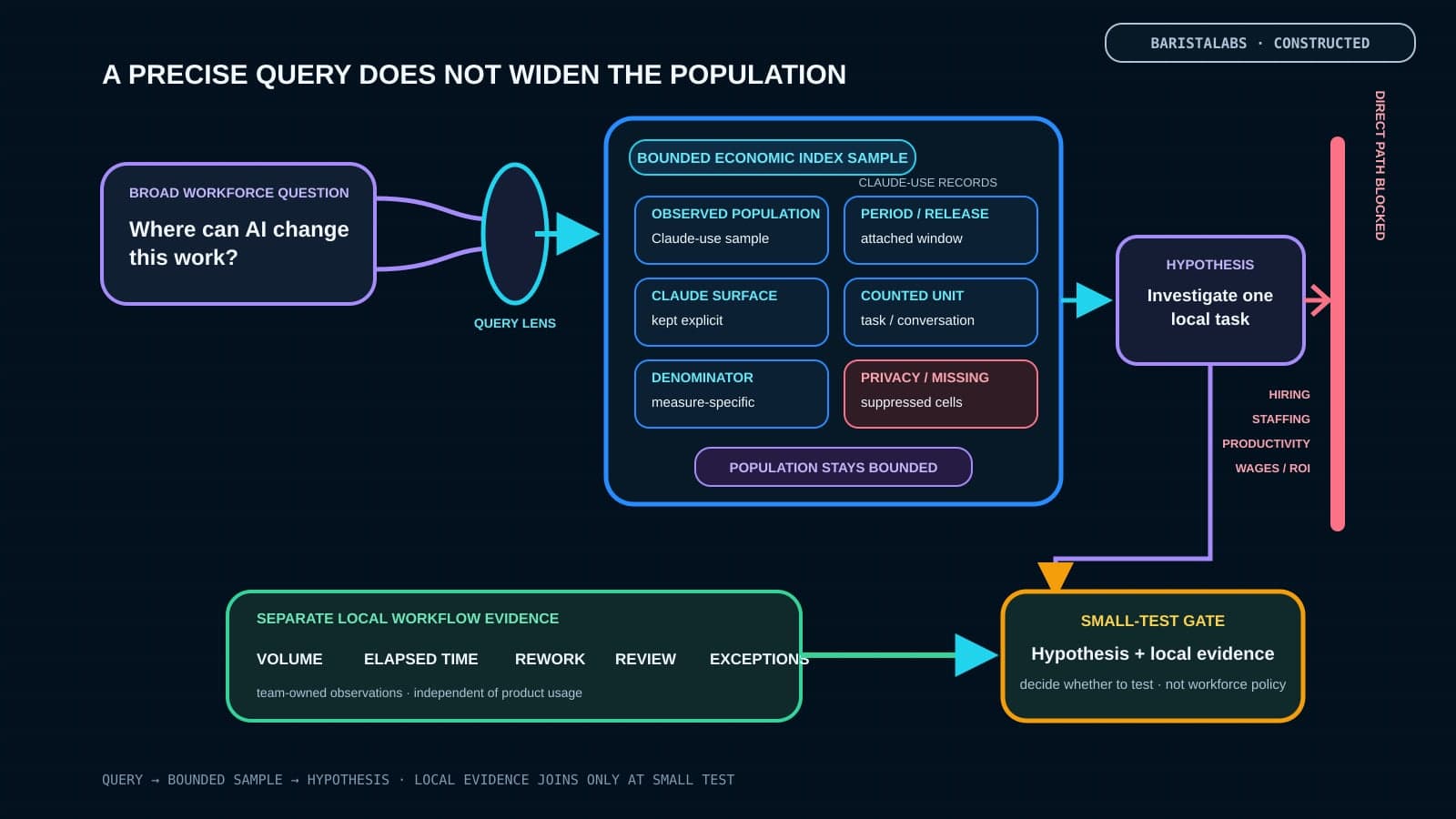
Anthropic made AI-work data easier to query, not more representative
Anthropic's Economic Index connector makes Claude-usage data easier to explore. Check the population, period, surface, unit, and local workflow evidence before acting.
8 min read
Industry Insights·
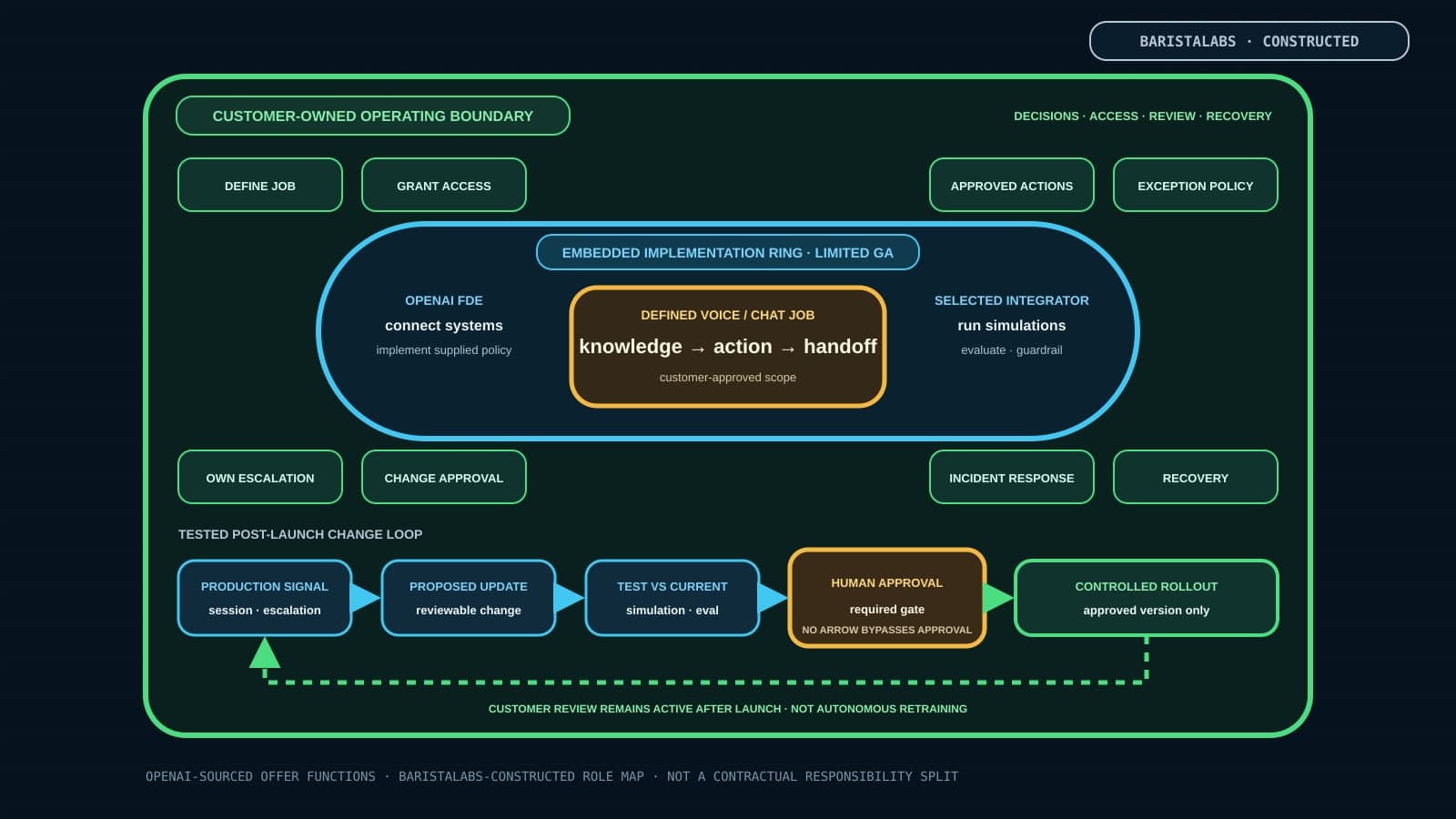
OpenAI Presence is a vendor-led enterprise agent deployment
OpenAI Presence is in limited general availability for eligible enterprise customers. OpenAI Forward Deployed Engineers and selected systems integrators lead deployment; customers still own access, approvals, exceptions, review, and recovery.
8 min read
Industry Insights·
AI roleplay can score practice. It still has to prove better work.
Synthesia Roleplay Sessions turns training into scored conversation practice. Learn when an enterprise trial is useful and what the scores still cannot prove.
7 min read
Industry Insights·
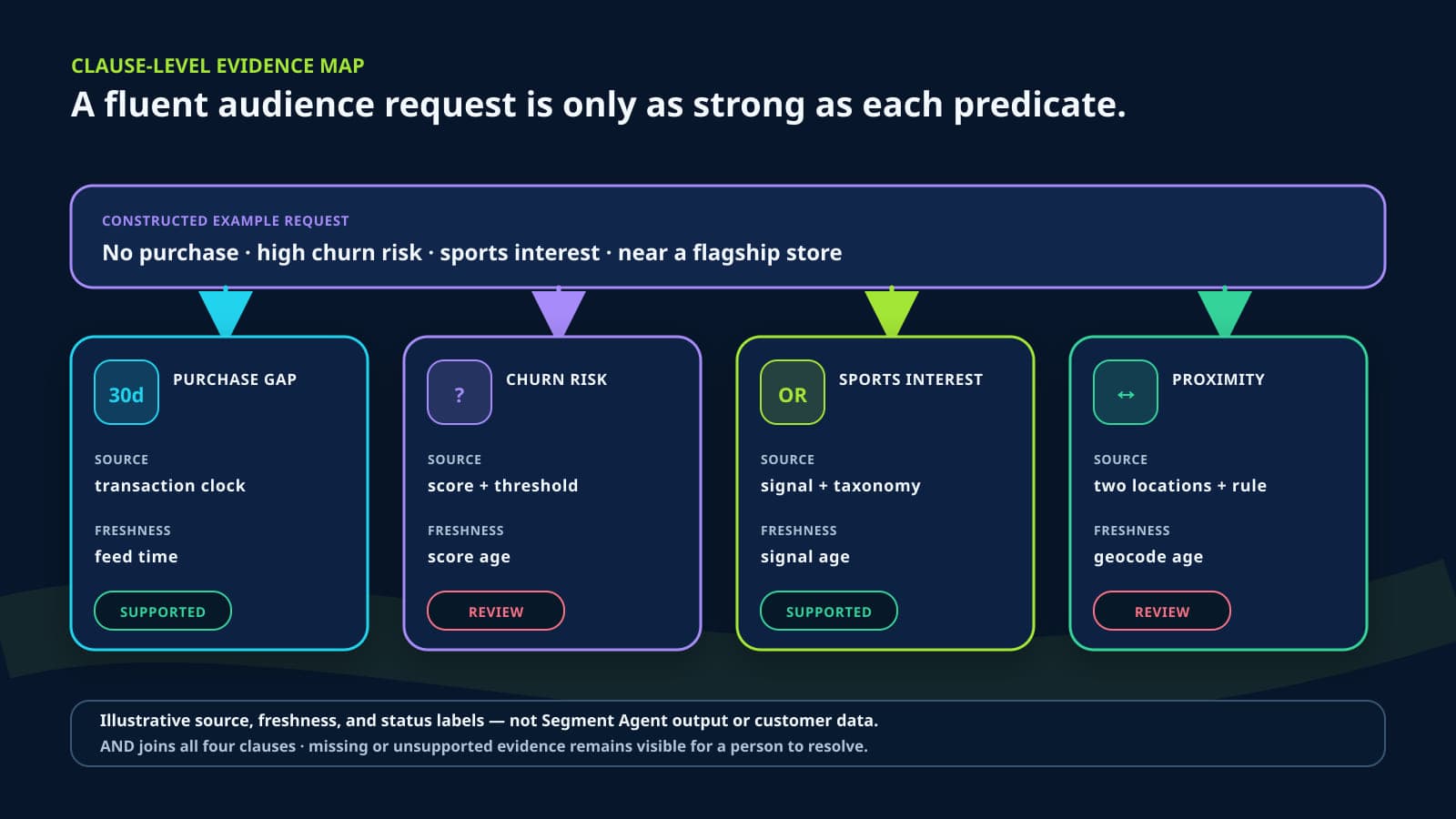
The AI can write the segment. Your customer record still has to prove every clause.
Dotdigital’s Segment Agent turns a plain-language audience request into a segment. Its example reveals the data, definitions, and fallback decisions marketers still need.
8 min read
Explore Other Categories

AI Development
Implementation notes for building AI tools around real business data, handoffs, review queues, and safeguards.
206 articles

Announcements
Product notes, service updates, and BaristaLabs news that affect how small teams use AI at work.
9 articles
Machine Learning
Model concepts explained through thresholds, queues, and error costs that small teams can actually manage.
14 articles

Small Business AI
Plain-language guidance for owners and operators choosing one useful, reviewable AI workflow at a time.
98 articles
Technical Tutorials
Hands-on guides for approval policies, shadow weeks, agent receipts, and other AI workflow controls.
26 articles