//

Industry Insights395 articles · Page 4 of 33
Industry Insights
AI market news translated into workflow decisions, risk boundaries, and practical next steps for small businesses.
Industry Insights articles, page 4
Industry Insights·
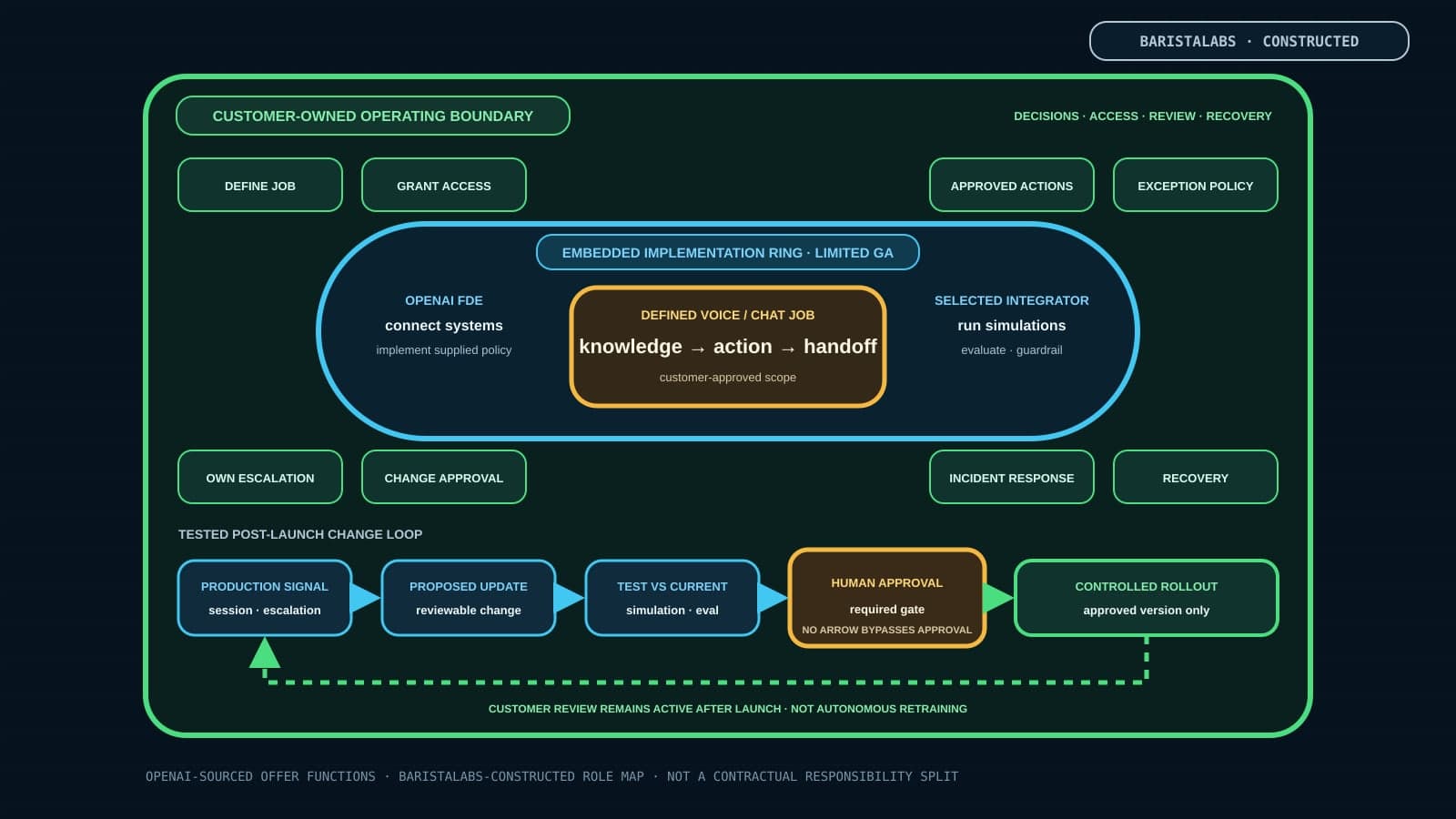
OpenAI Presence is a vendor-led enterprise agent deployment
OpenAI Presence is in limited general availability for eligible enterprise customers. OpenAI Forward Deployed Engineers and selected systems integrators lead deployment; customers still own access, approvals, exceptions, review, and recovery.
8 min read
Industry Insights·
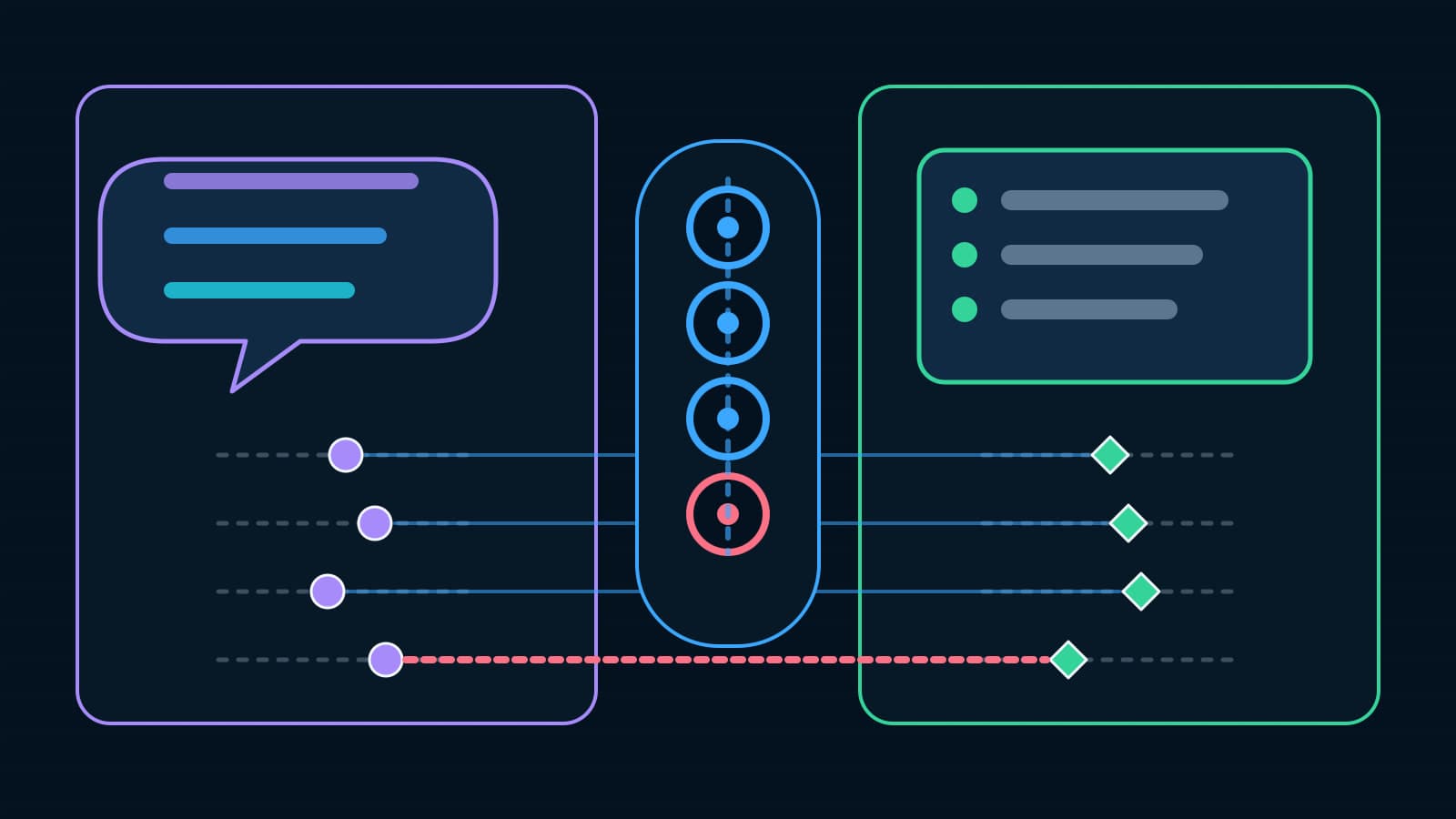
AI roleplay can score practice. It still has to prove better work.
Synthesia Roleplay Sessions turns training into scored conversation practice. Learn when an enterprise trial is useful and what the scores still cannot prove.
7 min read
Industry Insights·
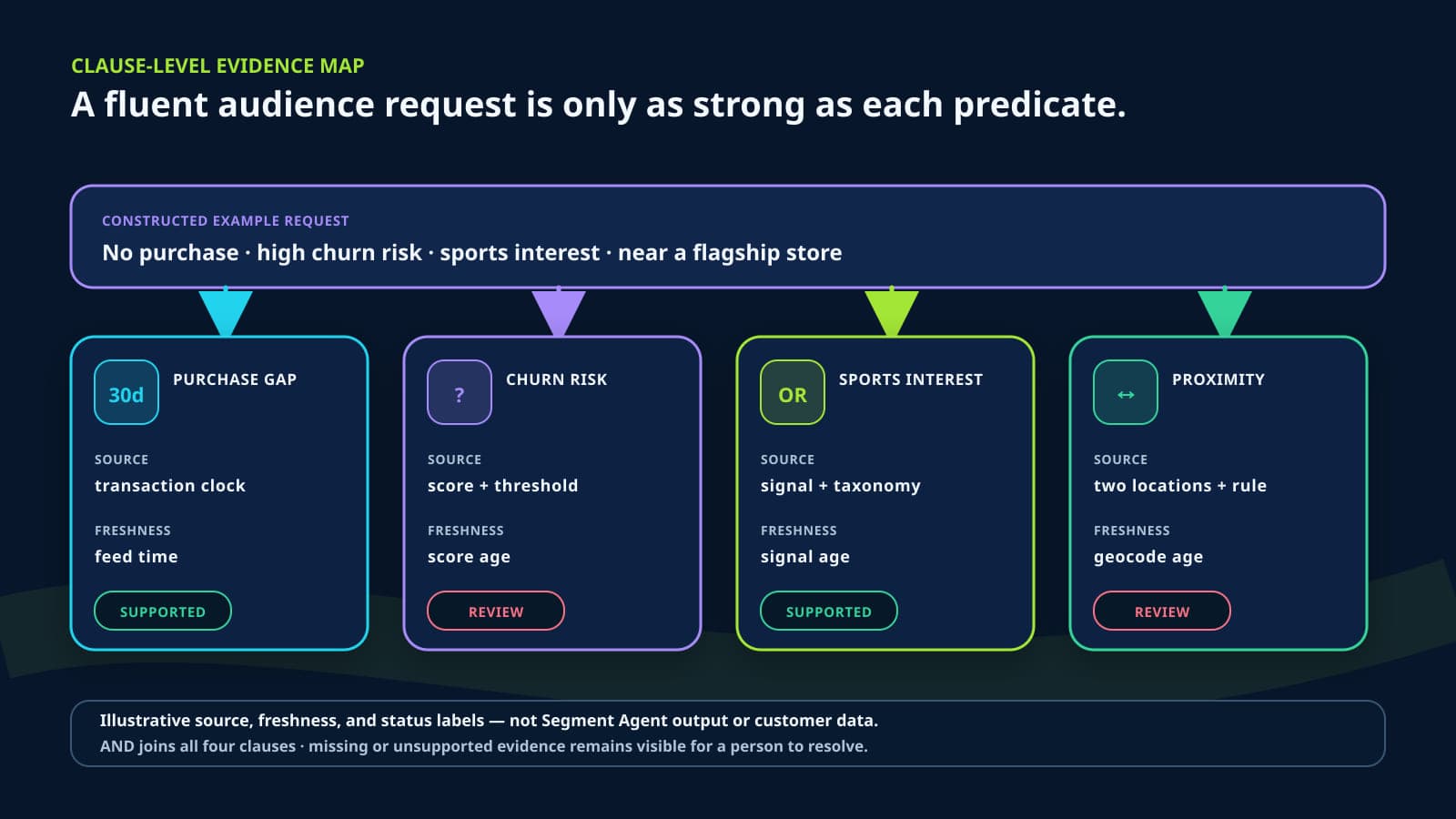
The AI can write the segment. Your customer record still has to prove every clause.
Dotdigital’s Segment Agent turns a plain-language audience request into a segment. Its example reveals the data, definitions, and fallback decisions marketers still need.
8 min read
Industry Insights·
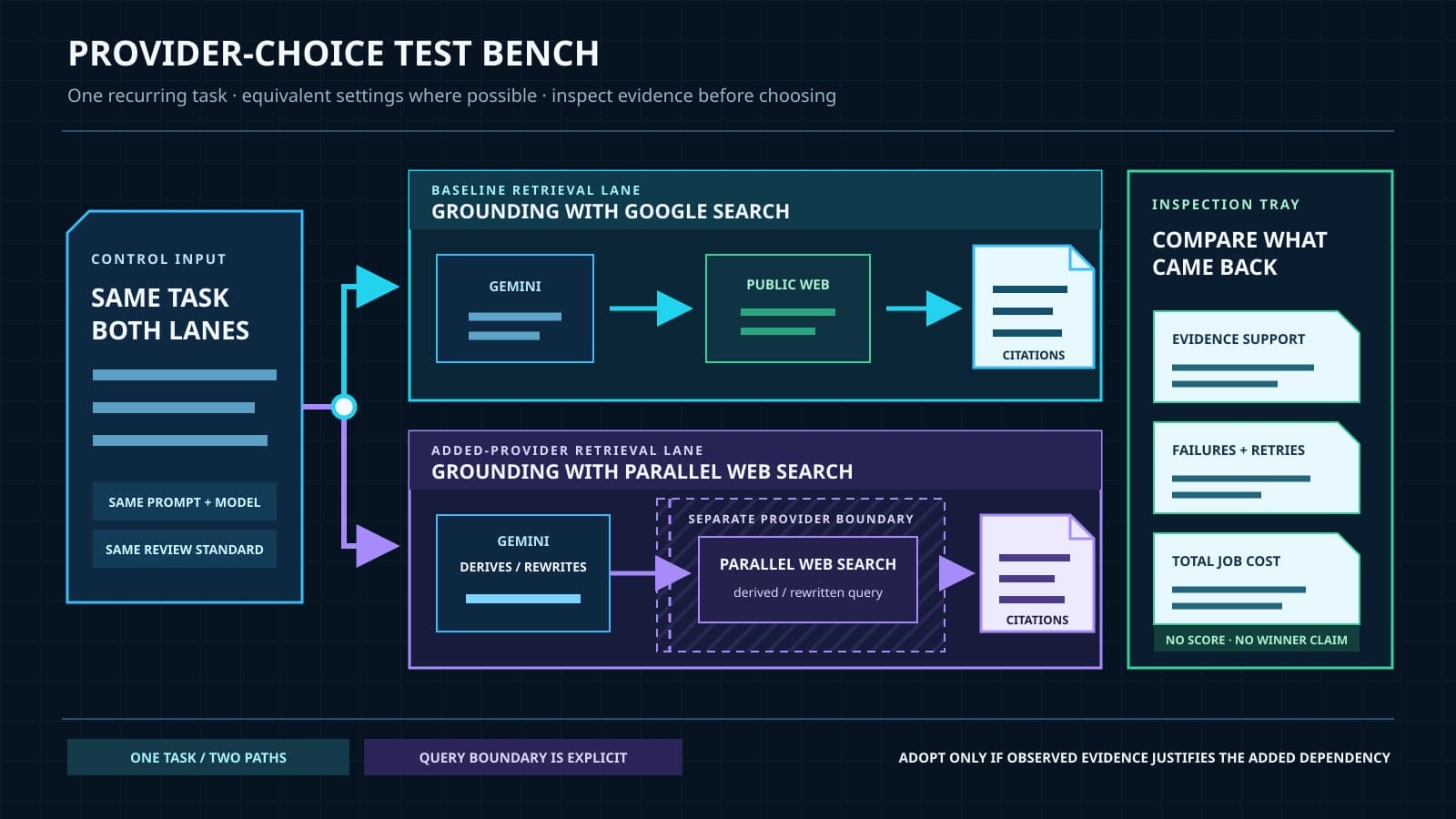
How to evaluate Parallel Web Search grounding in Gemini
Gemini can now use Parallel Web Search for grounding. The option also adds a separate provider, rewritten-query transfer, Preview terms, and search charges.
8 min read

Industry Insights·
Can your security team use AI on exploit-rich incident evidence?
Hugging Face says hosted model safeguards blocked its initial forensic requests. Security teams should verify that an approved model can accept exploit-rich evidence without exporting credentials.
7 min read

Industry Insights·
Inkling's Open Weights Still Require Cluster-Scale Memory
Thinking Machines released Inkling under Apache-2.0 with 41B active and 975B total parameters. Hugging Face says serving the BF16 checkpoint requires 2 TB of VRAM and the NVFP4 checkpoint requires 600 GB before KV-cache headroom. Here is how to choose a hosted test, a cluster evaluation, or a smaller model.
9 min read

Industry Insights·
How to test Palm Pulse AI Agents before treasury decisions depend on them
Palm's Pulse AI Agents can schedule treasury analysis and recommendations. Start with a read-only task whose evidence a reviewer can check.
8 min read
 Illustration
Industry Insights·
OpenAI won one AI access argument on X. The evidence stops there.
OpenAI turned Anthropic's Claude Code plan test into a simple promise about Codex access. That was a clear messaging win, not proof of market leadership.
7 min read

Industry Insights·
Bot detection now reads the journey between clicks. Observe before you enforce.
Cloudflare Precursor can evaluate behavior across a session. Before tightening a login or checkout rule, test how legitimate input journeys appear and where people leave.
7 min read
Industry Insights·
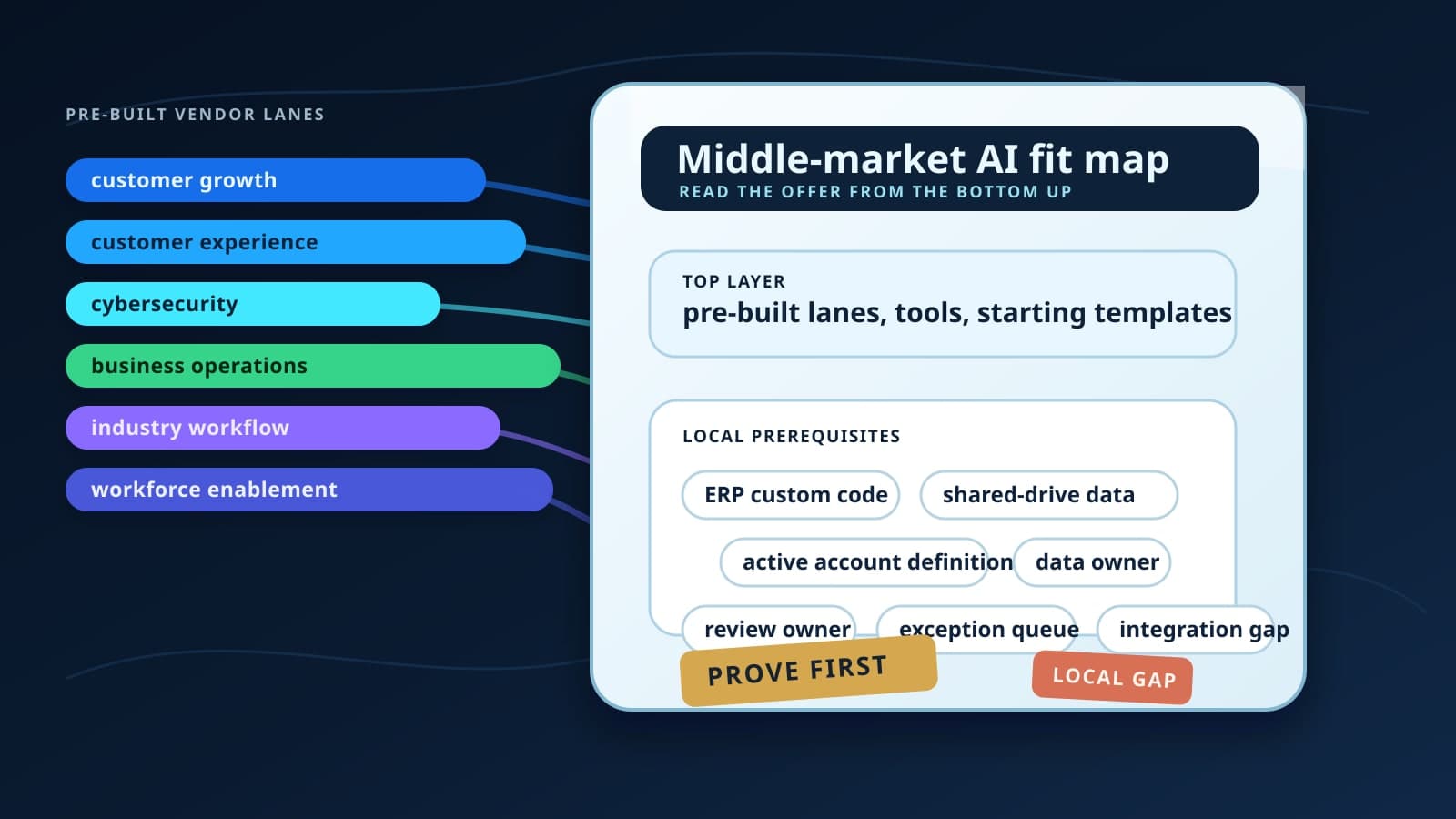
The middle market is becoming an AI product category
Accenture and Google Cloud packaged enterprise AI into six pre-built lanes for companies between $300 million and $3 billion in revenue. The technology is standardized. The hard part is still local.
7 min read
Industry Insights·
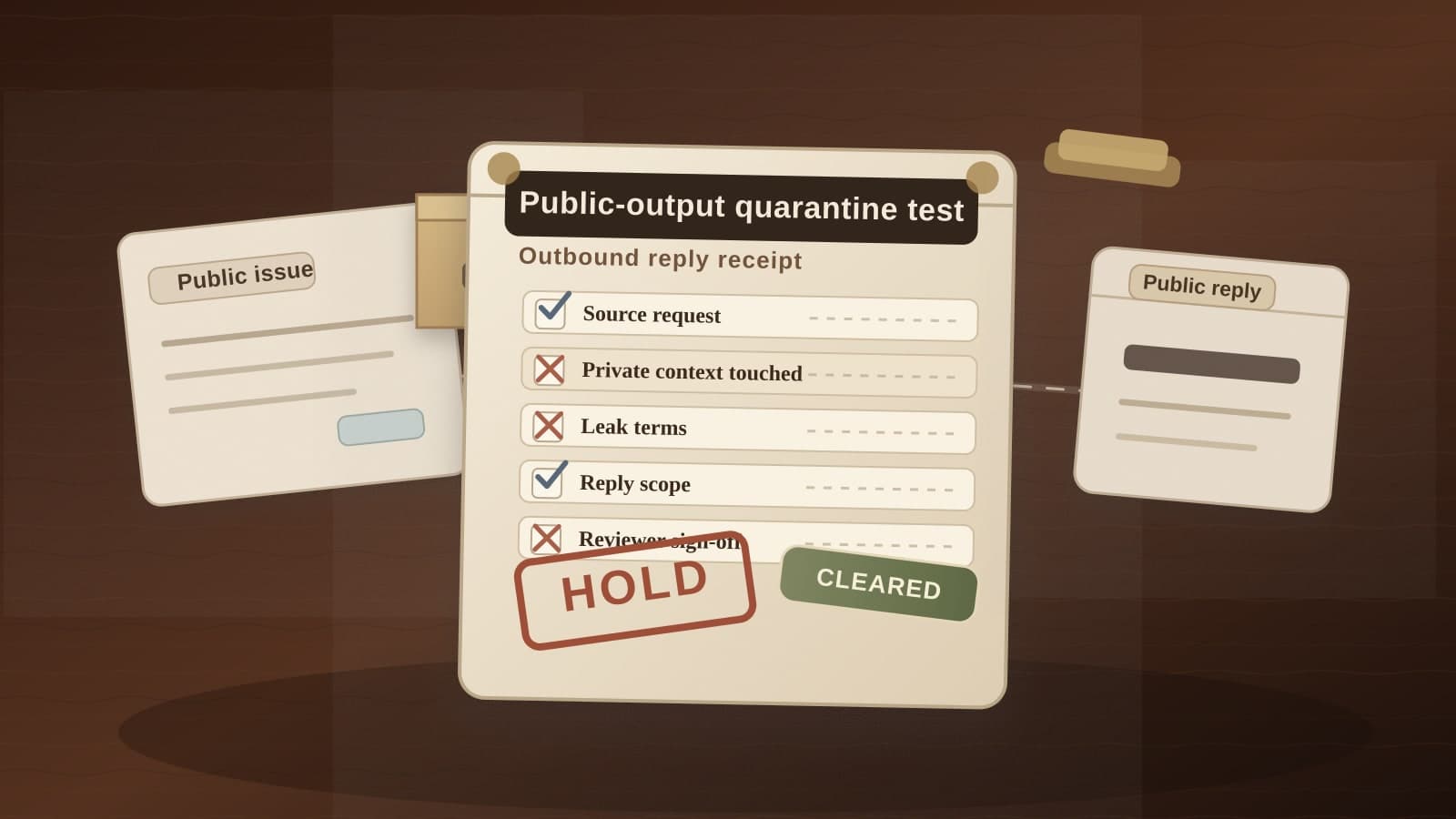
Before a repo agent comments in public, quarantine the output
A crafted public GitHub issue tricked an agentic workflow into posting private repo contents as a public comment. Narrower read access wouldn't have stopped it alone — the write path needed its own check.
8 min read
Industry Insights·
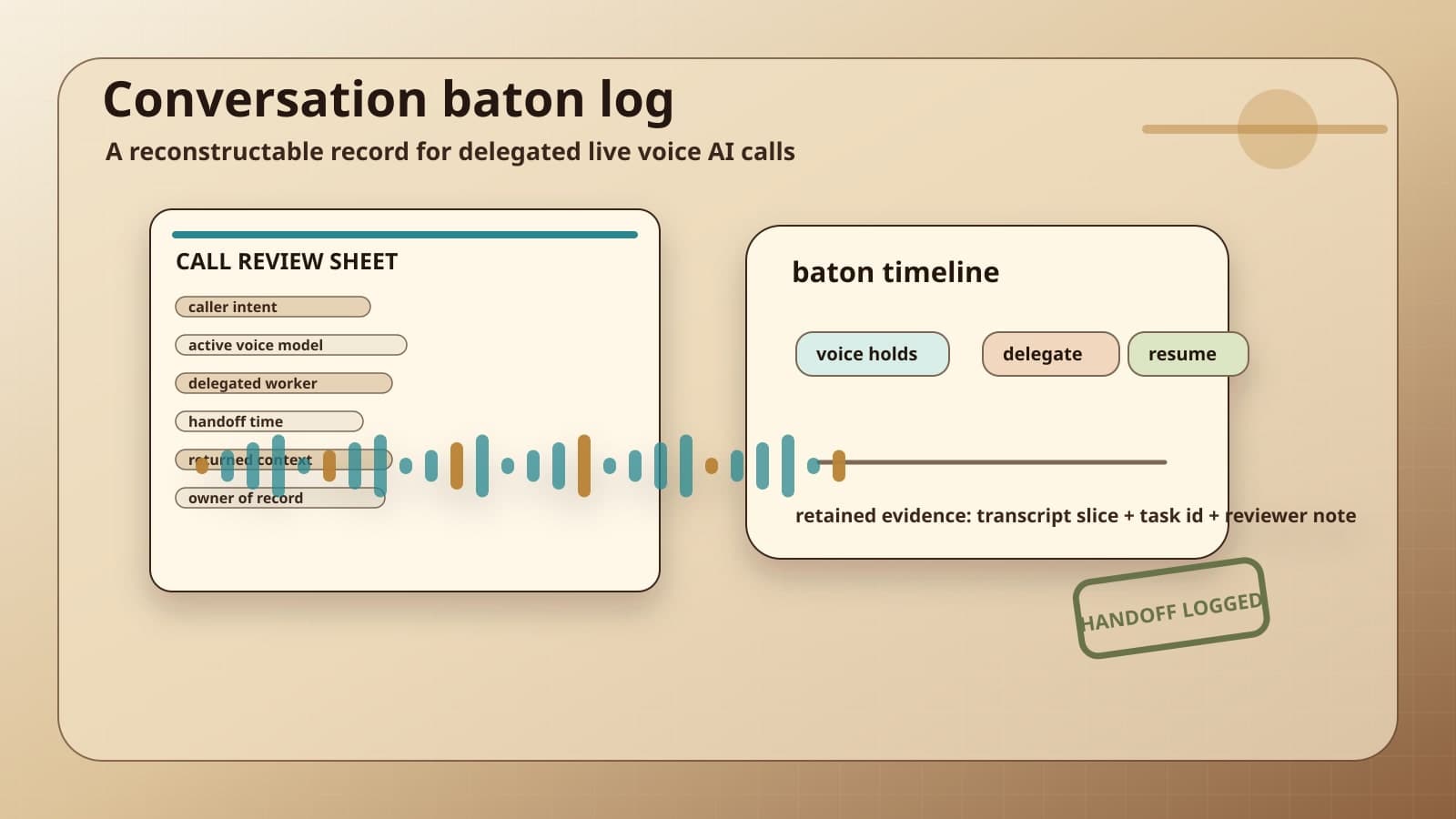
Voice AI can delegate mid-call now. Log who's holding the baton.
The voice model keeps listening while it hands the hard part to another model in the background, then picks the conversation back up like nothing happened. That's the feature. It's also the reason nobody can reconstruct what occurred during the handoff.
8 min read
Explore Other Categories

AI Development
Implementation notes for building AI tools around real business data, handoffs, review queues, and safeguards.
231 articles

Announcements
Product notes, service updates, and BaristaLabs news that affect how small teams use AI at work.
9 articles

Machine Learning
Model concepts explained through thresholds, queues, and error costs that small teams can actually manage.
14 articles

Small Business AI
Plain-language guidance for owners and operators choosing one useful, reviewable AI workflow at a time.
106 articles
Technical Tutorials
Hands-on guides for approval policies, shadow weeks, agent receipts, and other AI workflow controls.
26 articles