//

Industry Insights393 articles · Page 5 of 33
Industry Insights
AI market news translated into workflow decisions, risk boundaries, and practical next steps for small businesses.
Industry Insights articles, page 5
Industry Insights·
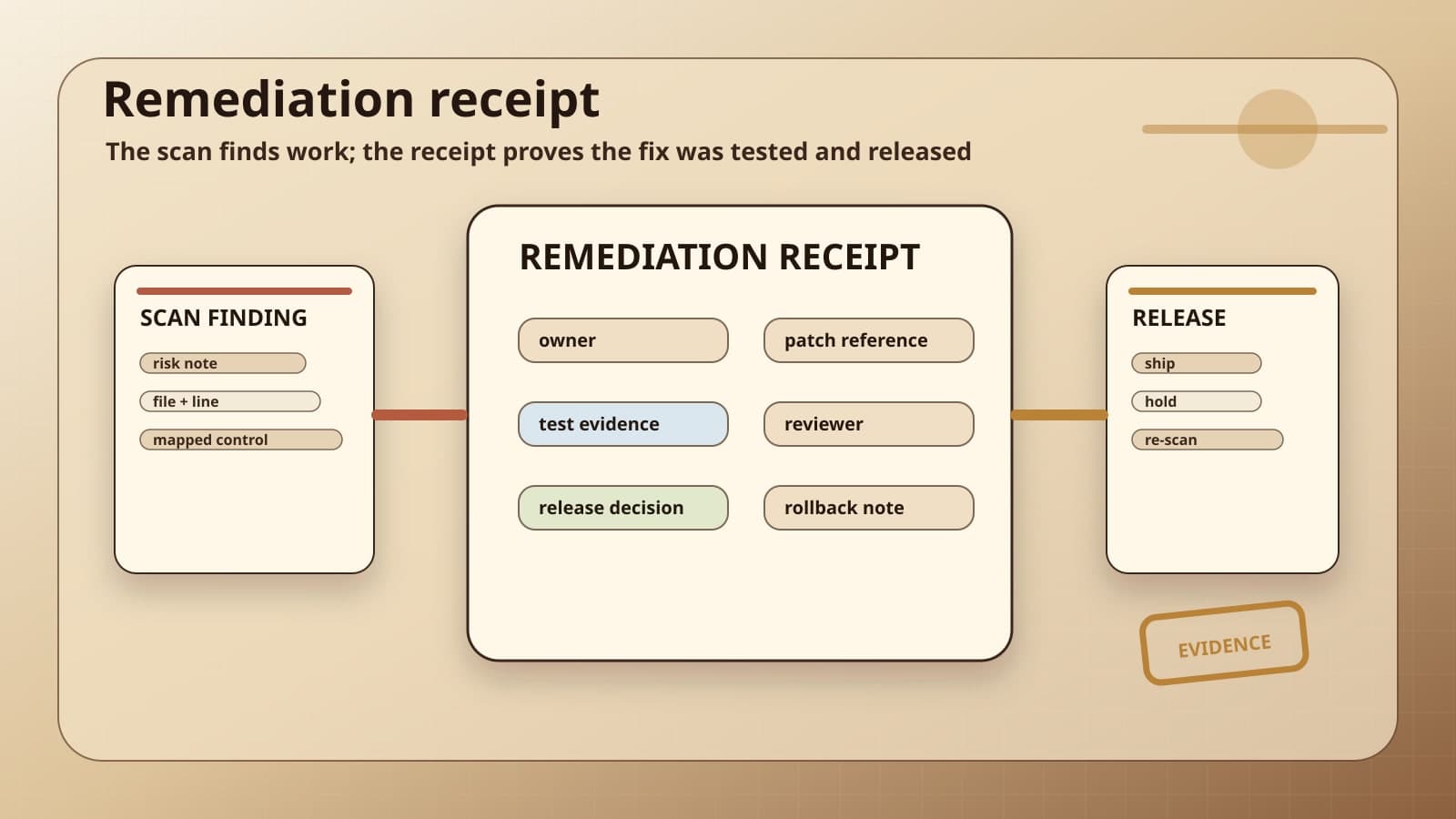
The AI code scan is not the control. The remediation receipt is.
Alberta says Claude Code scanned 466 million lines of government code in 20 hours. The business lesson isn't the speed. It's the receipt that lets a human verify, test, approve, and revisit every fix before it ships.
8 min read
Industry Insights·
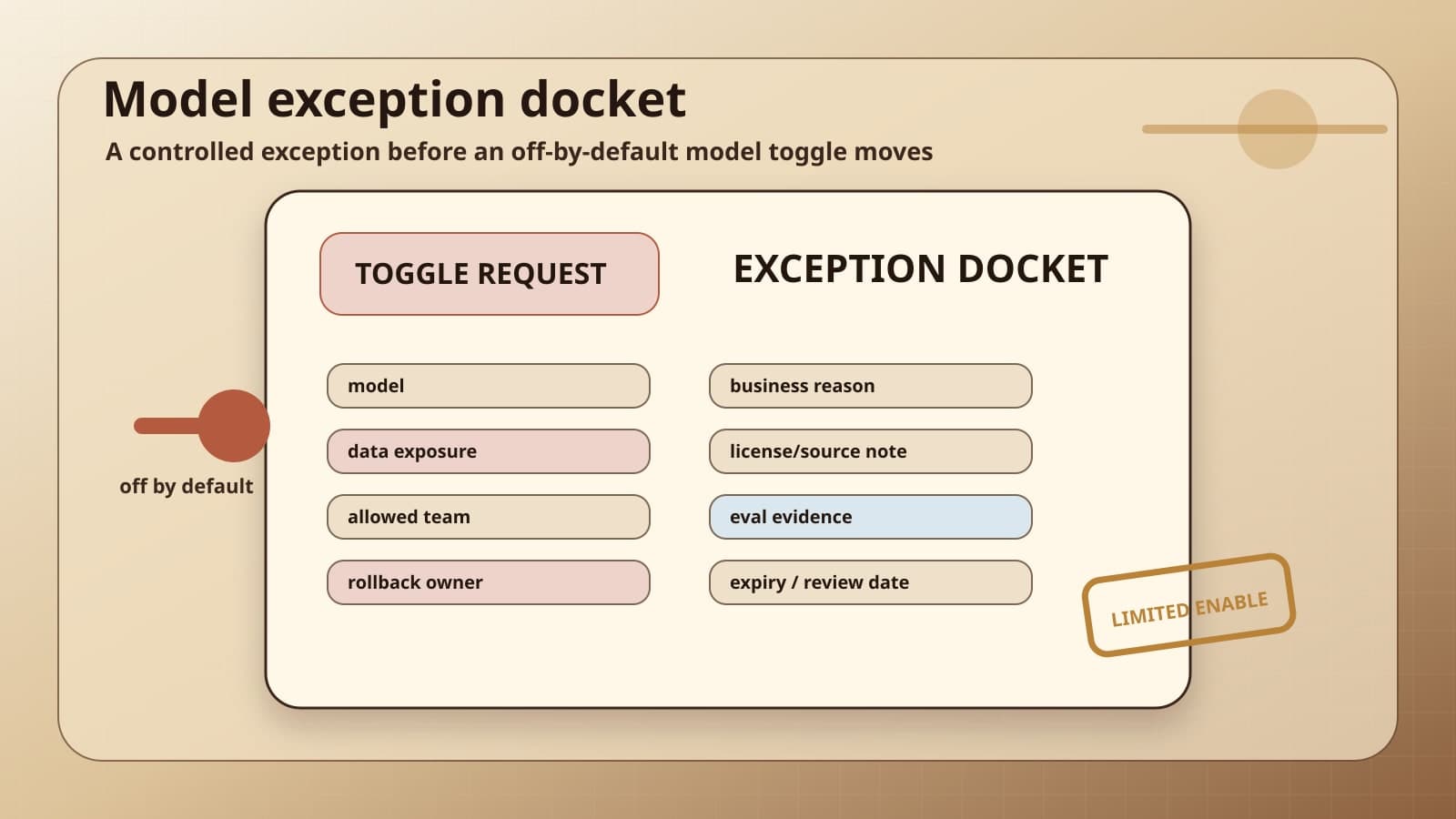
GitHub put an open-weight model in Copilot. Treat the toggle like an exception.
Kimi K2.7 Code is available to Copilot Business and Enterprise, but GitHub ships the policy off by default. That is not a footnote. It is the review moment.
8 min read
Industry Insights·
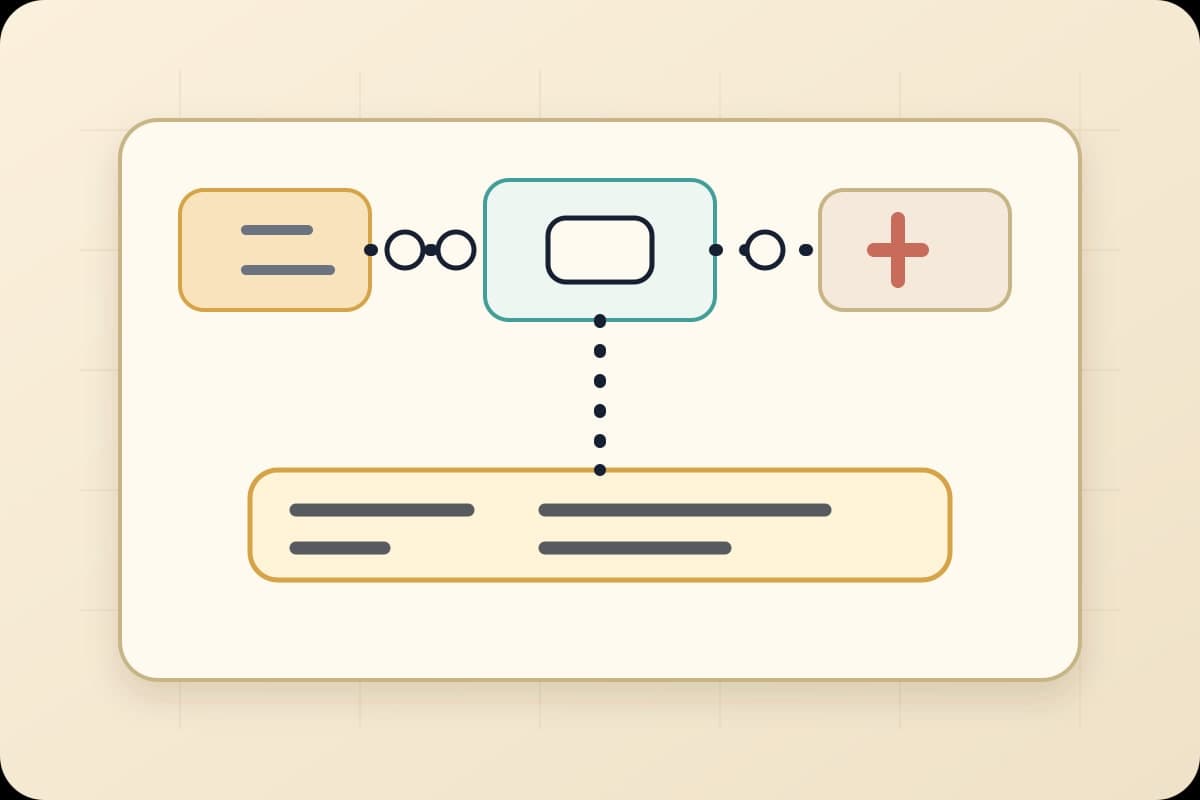
Before AI automates the workflow, make it draw the route
Rewst's new AI agent can turn a plain-language request into a runnable MSP automation. The safer question is whether the client can see the route before it touches QuickBooks.
8 min read
Industry Insights·
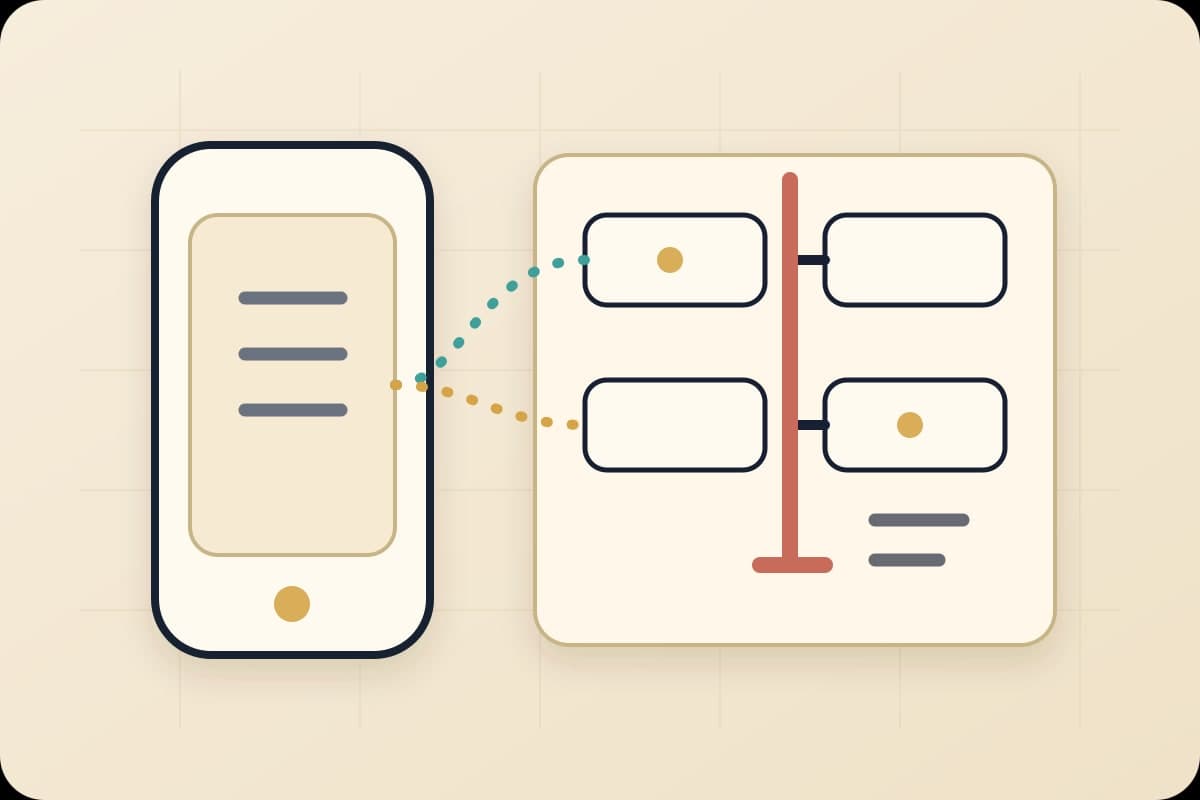
Cursor put a merge button on your phone. Set the boundary first.
Cursor just put a merge button in your pocket. Before Remote Control goes on for the whole team, decide what a phone is allowed to approve, review, and never touch alone.
7 min read
Industry Insights·
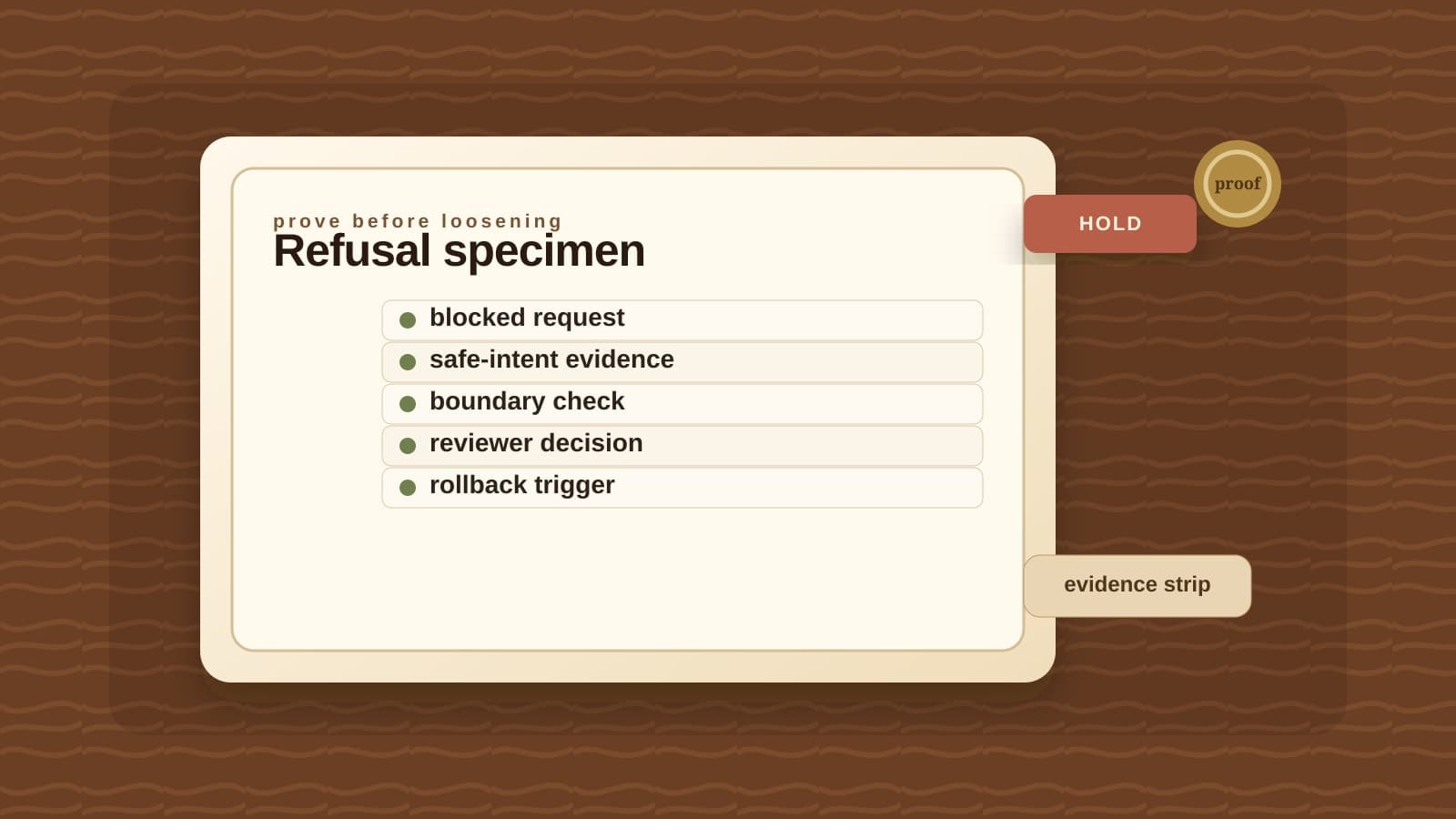
AWS taught Amazon Nova to forget a refusal. Prove yours deserves it first.
A refusal can be a safety win or an operations outage, and it looks identical from the outside. AWS just shipped a way to selectively unteach Amazon Nova's over-deflection. The harder problem is proving, case by case, which refusals actually deserve it.
7 min read
Industry Insights·
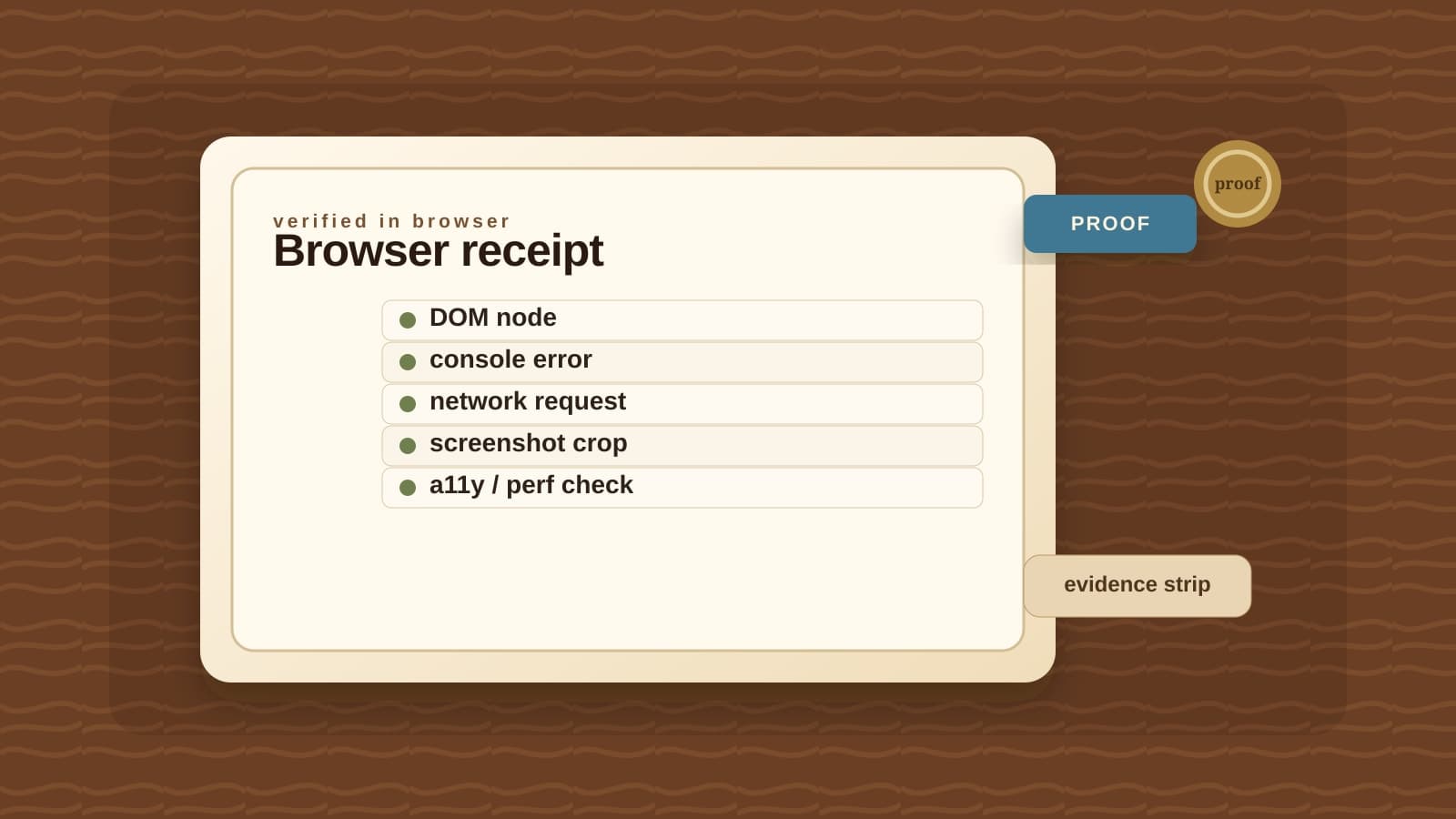
The bug lives in the browser. Now your agent can go look.
A customer says checkout is broken in Safari. The agent can rewrite the code in seconds, but it has been working from a screenshot and a guess. WebKit's new Safari MCP server changes what evidence an agent can bring back before you accept its fix.
6 min read
Industry Insights·
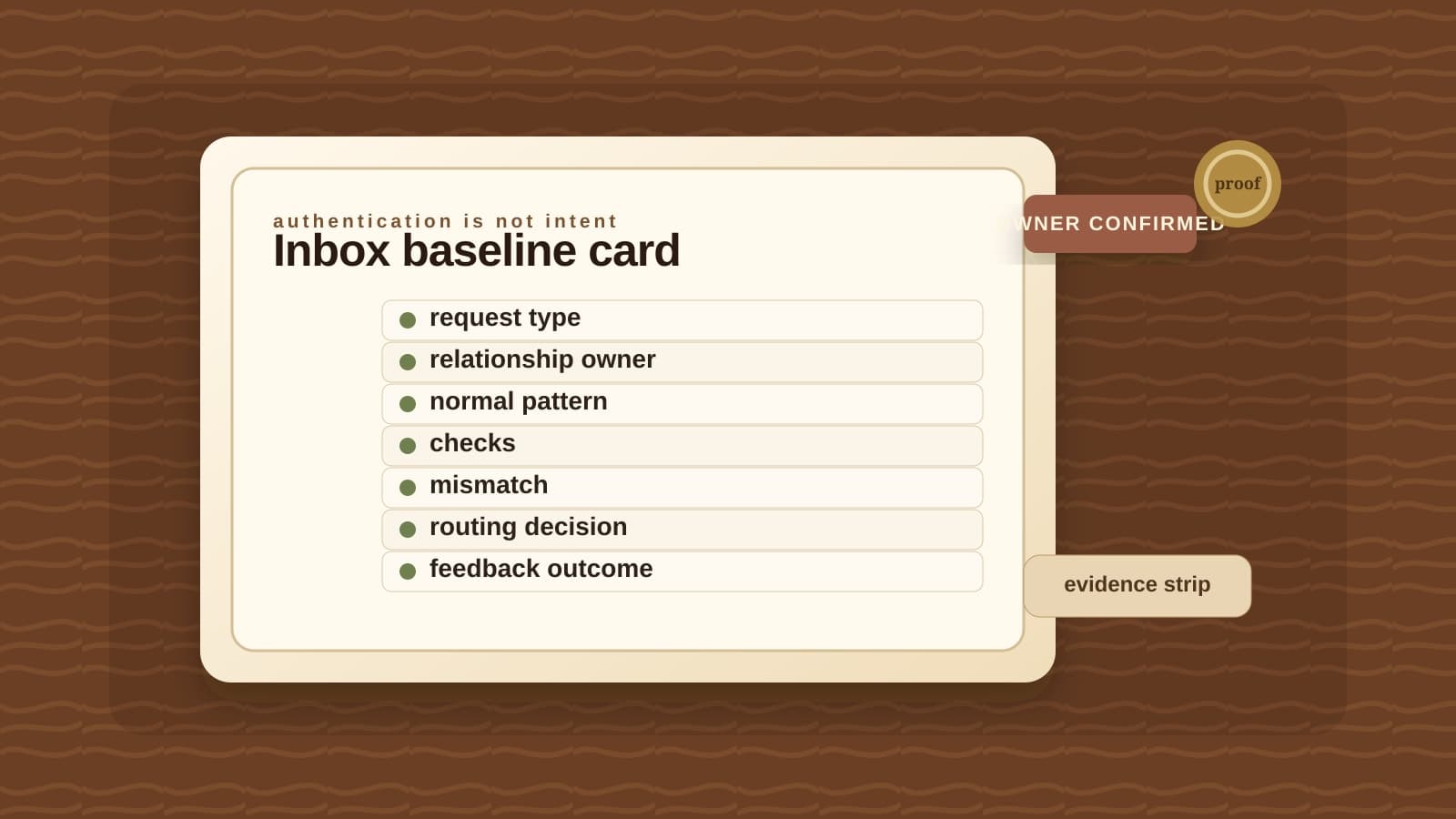
The phishing email looks perfect now
AWS's new Bedrock phishing workflow points to a harder inbox problem: AI-written scams no longer announce themselves with typos. Before a polished vendor email changes a bank account, build a behavior-baseline card for the few requests that can hurt you.
7 min read
Industry Insights·
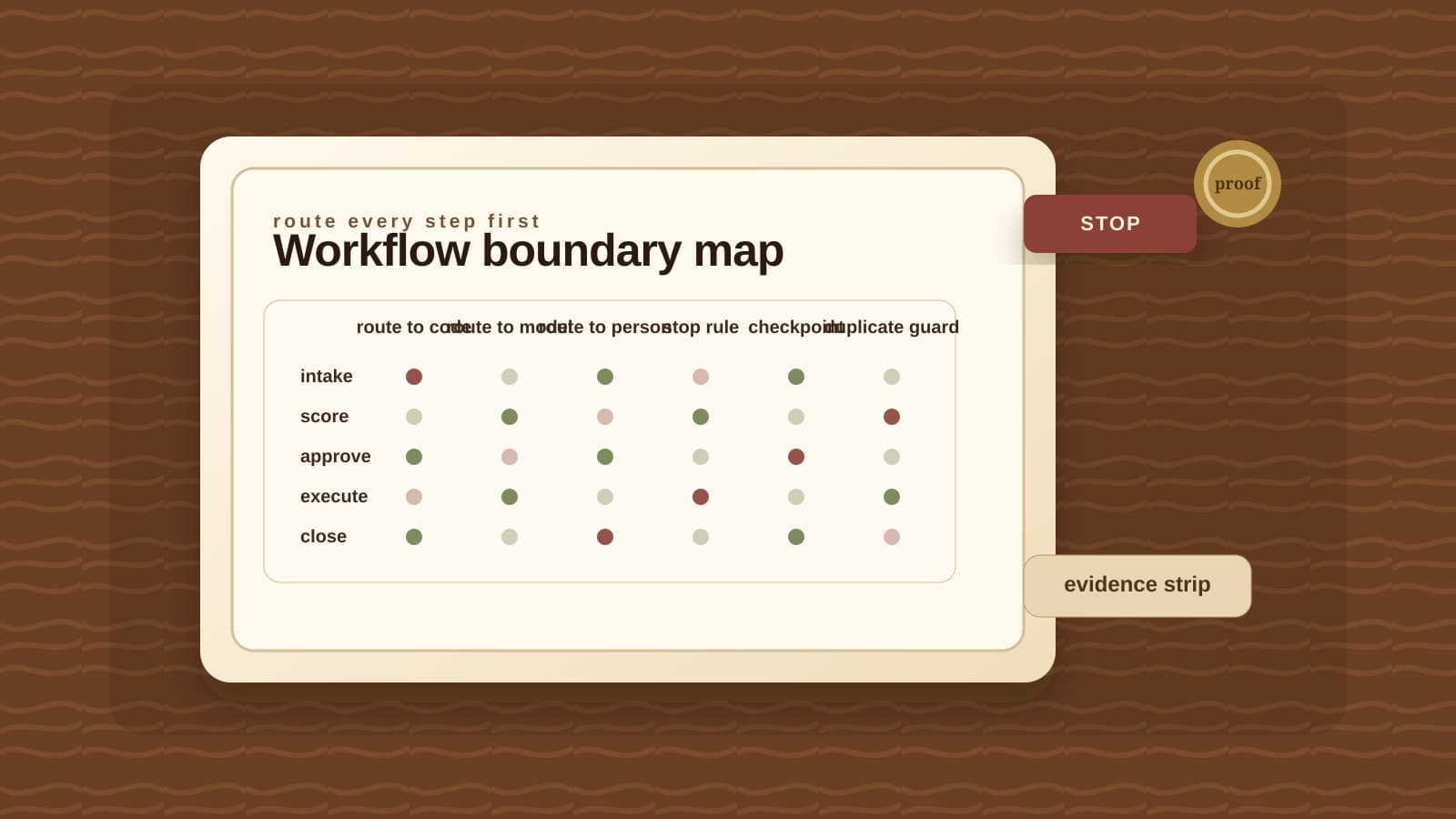
When the workflow is known, don't let the agent invent the route
A refund agent followed most of the process and skipped the gate that mattered. Google's ADK 2.0 points to a better fix: map each workflow step to code, model, person, or stop before the agent runs unattended.
9 min read
Industry Insights·
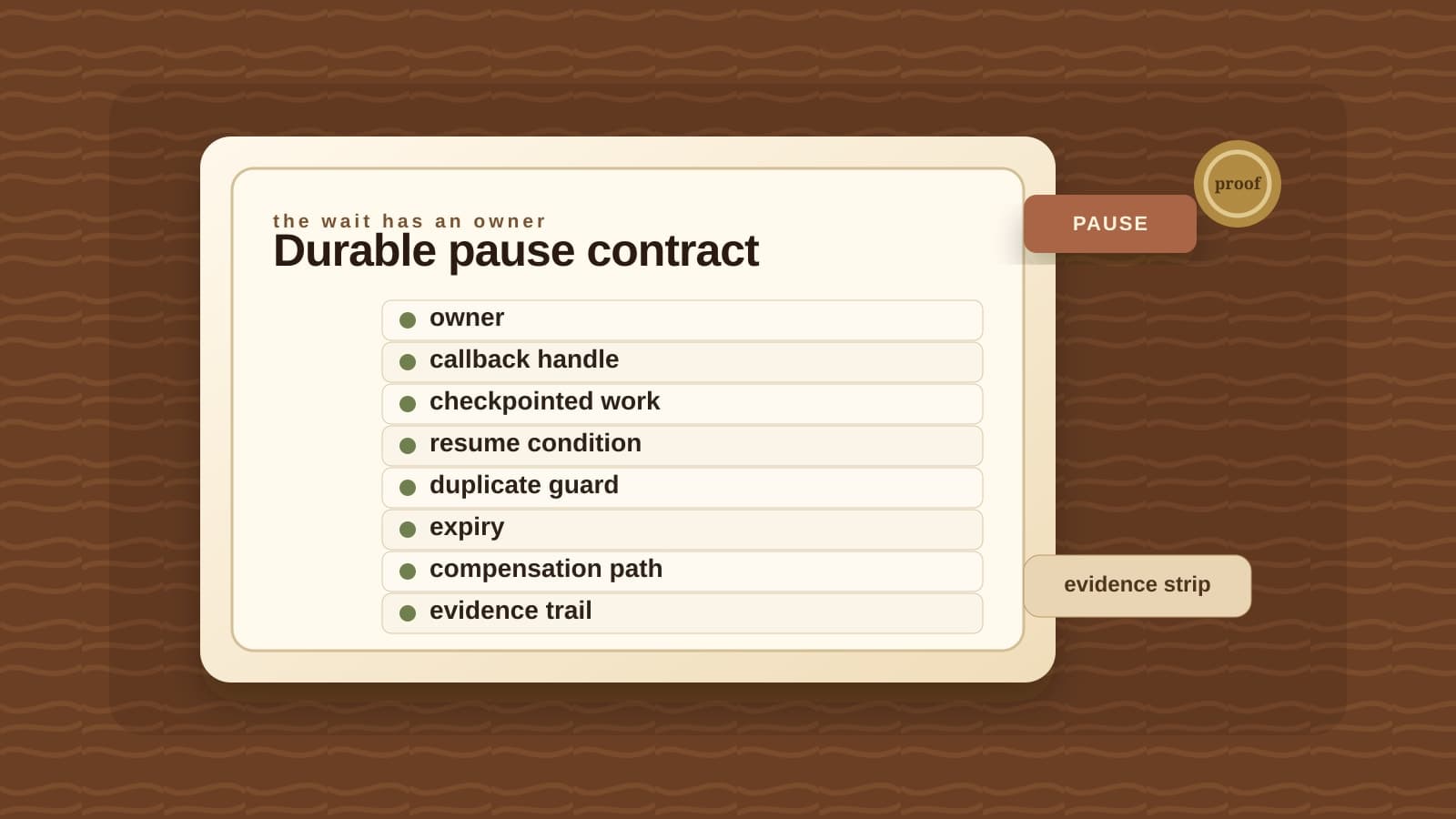
The dangerous part of the AI workflow is the pause
A physician review, a payer callback, a flaky API: real AI workflows pause for hours or days. AWS's Lambda durable functions show why that pause needs a written contract, not a restart button, so completed agent work and real money stay safe while the workflow waits.
11 min read
Industry Insights·
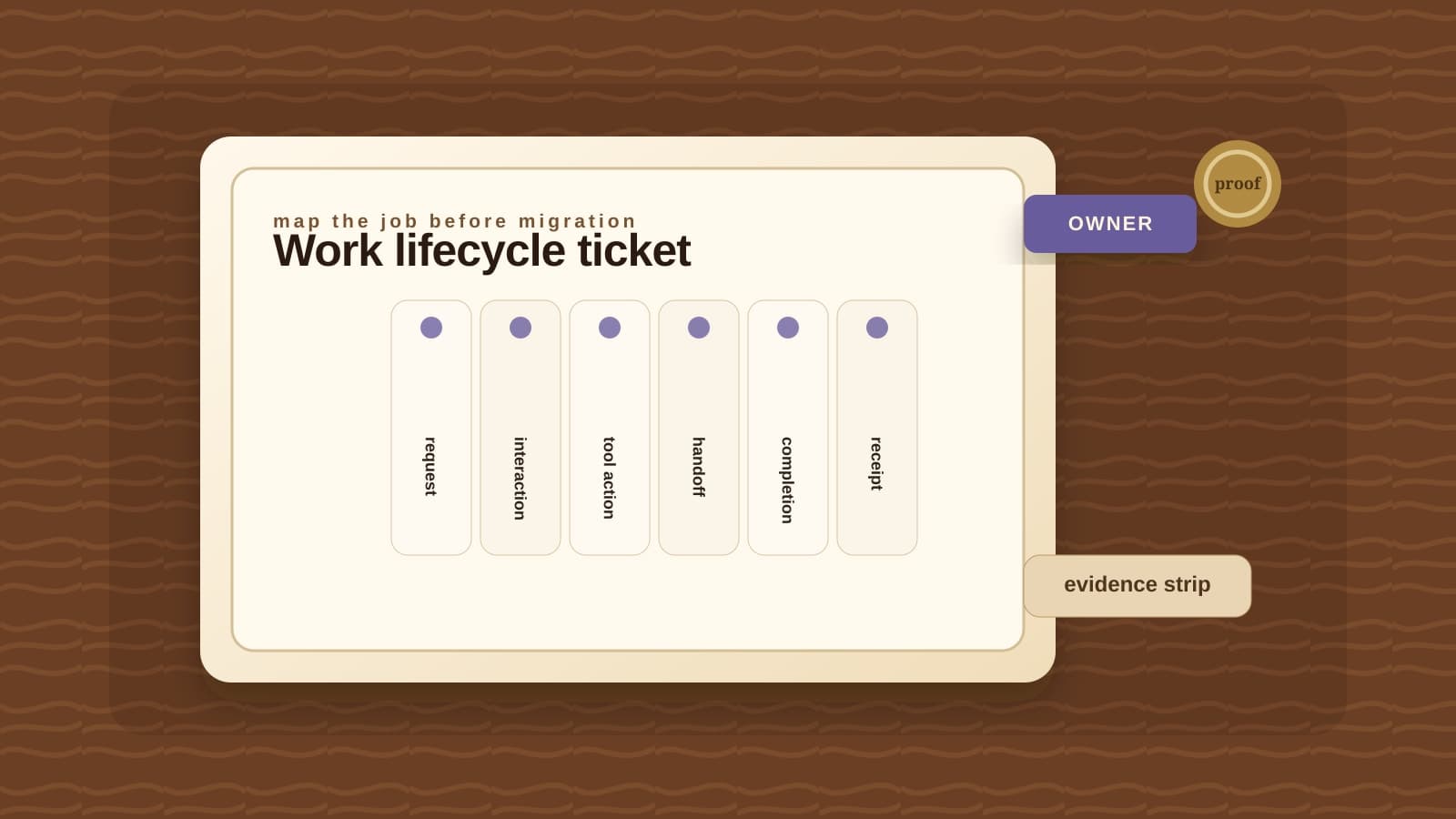
The Gemini call that quietly became a job
Google just made the Interactions API the primary way to reach Gemini models and agents. The useful move isn't rewriting everything. It's mapping which Gemini features are still one-shot calls and which have quietly turned into jobs with state, tools, and a clock running.
8 min read
Industry Insights·
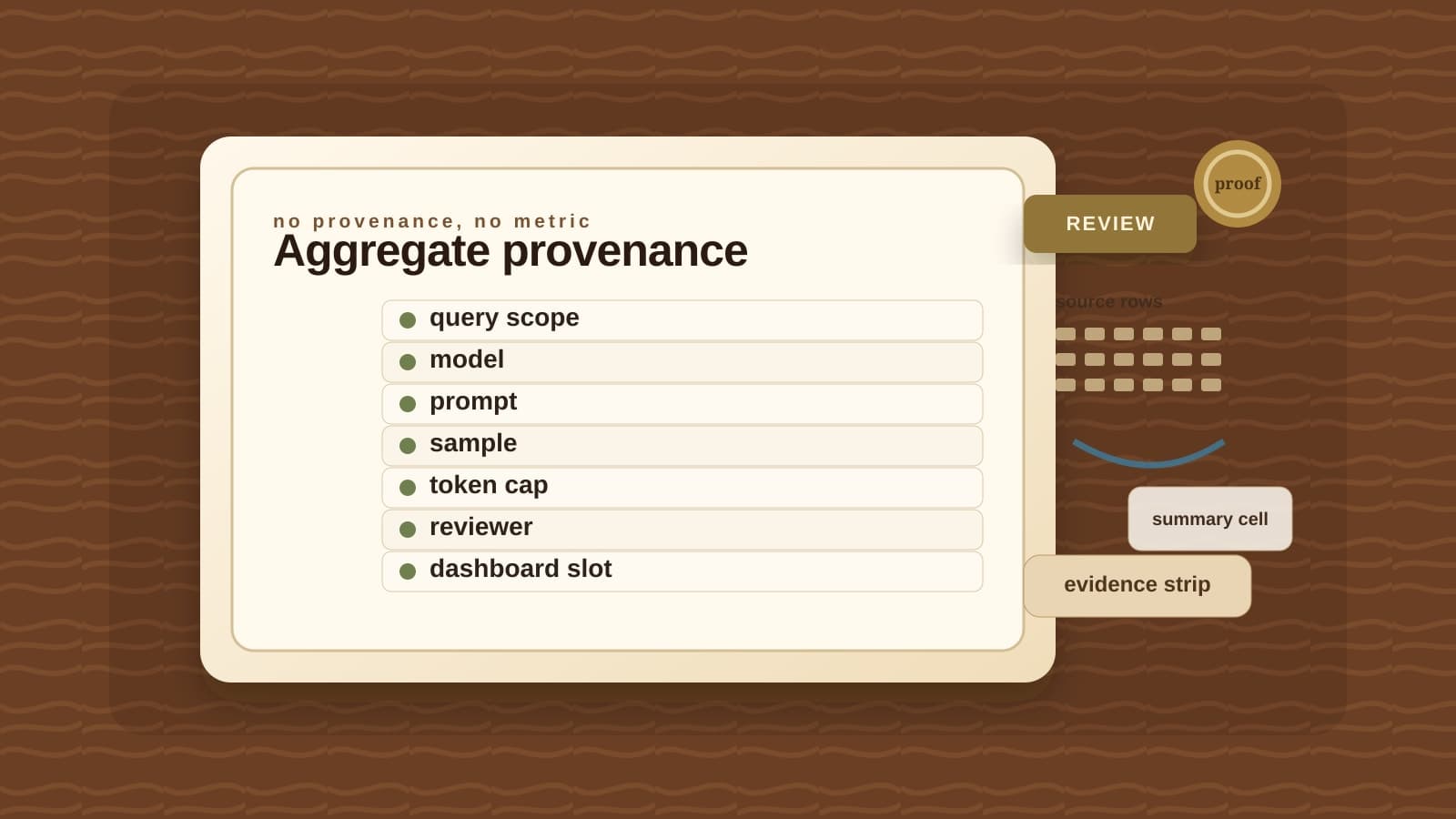
The column next to your COUNT(*) is not counting anything
Google's preview of BigQuery's AI.AGG function lets one line of SQL summarize millions of rows in plain language, sitting in the same SELECT as a COUNT(*). One column is arithmetic. The other is a capped, batched, occasionally-NULL call to Gemini. Here's the provenance card to fill in before either one goes on a dashboard.
8 min read
Industry Insights·
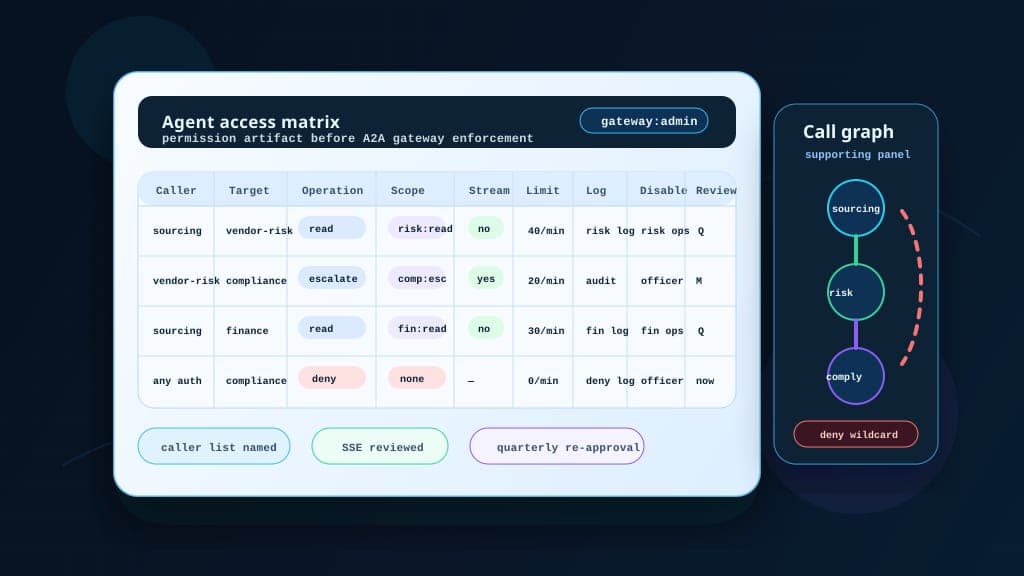
Before agents call other agents, draw the access matrix
Twenty agents without a central gateway can need up to 190 point-to-point connections, per AWS's own math. Its new serverless A2A gateway is one answer. The access matrix underneath it is the artifact worth stealing.
8 min read
Explore Other Categories

AI Development
Implementation notes for building AI tools around real business data, handoffs, review queues, and safeguards.
220 articles

Announcements
Product notes, service updates, and BaristaLabs news that affect how small teams use AI at work.
9 articles
Machine Learning
Model concepts explained through thresholds, queues, and error costs that small teams can actually manage.
14 articles

Small Business AI
Plain-language guidance for owners and operators choosing one useful, reviewable AI workflow at a time.
104 articles

Technical Tutorials
Hands-on guides for approval policies, shadow weeks, agent receipts, and other AI workflow controls.
26 articles