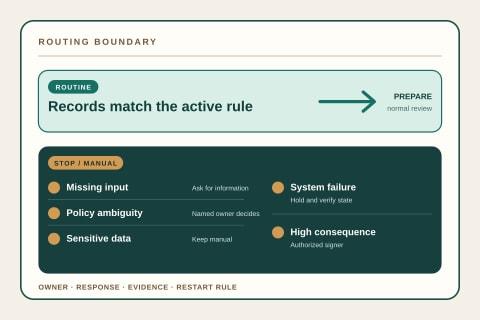
Decide which AI workflow exceptions should stay manual
Define the routine cases an AI workflow may handle, then assign each exception class a stop reason, allowed response, human owner, evidence requirement, and restart rule.
Search articles, pages, and resources across BaristaLabs.
Start typing to search...

Page 16 of 68
Insights on AI, machine learning, and technology strategy

Define the routine cases an AI workflow may handle, then assign each exception class a stop reason, allowed response, human owner, evidence requirement, and restart rule.

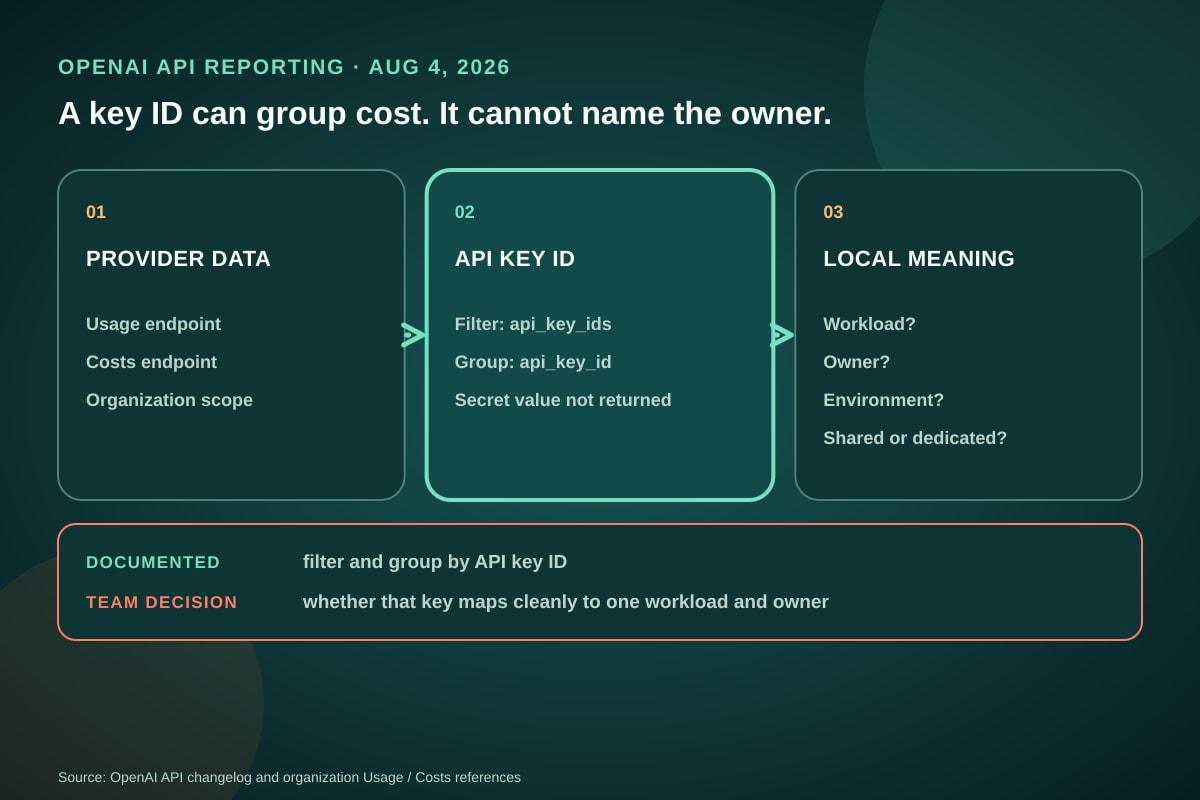
OpenAI can now group usage and cost by API key ID. Shared keys still blend workloads, so attribution depends on local key ownership.

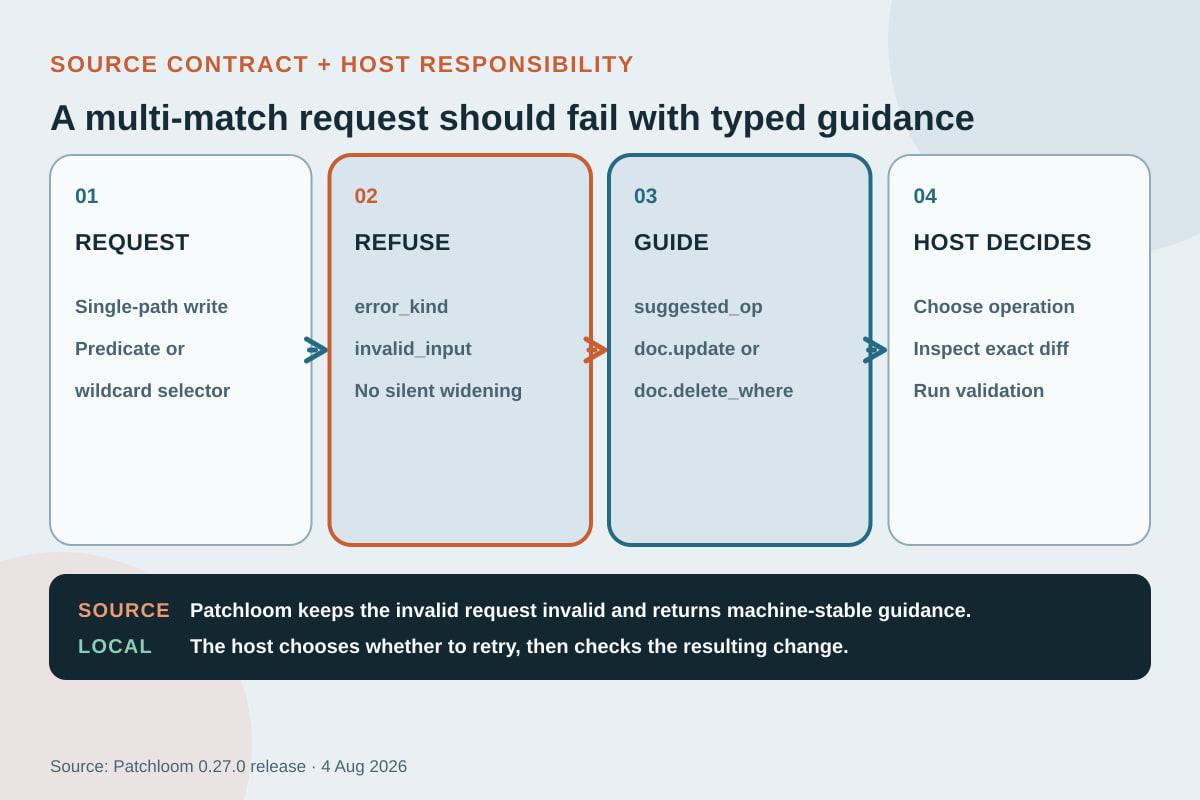
Patchloom 0.27.0 adds typed guidance after multi-match refusals and a recoverable backup session ID after some failed writes. Test both before live files.

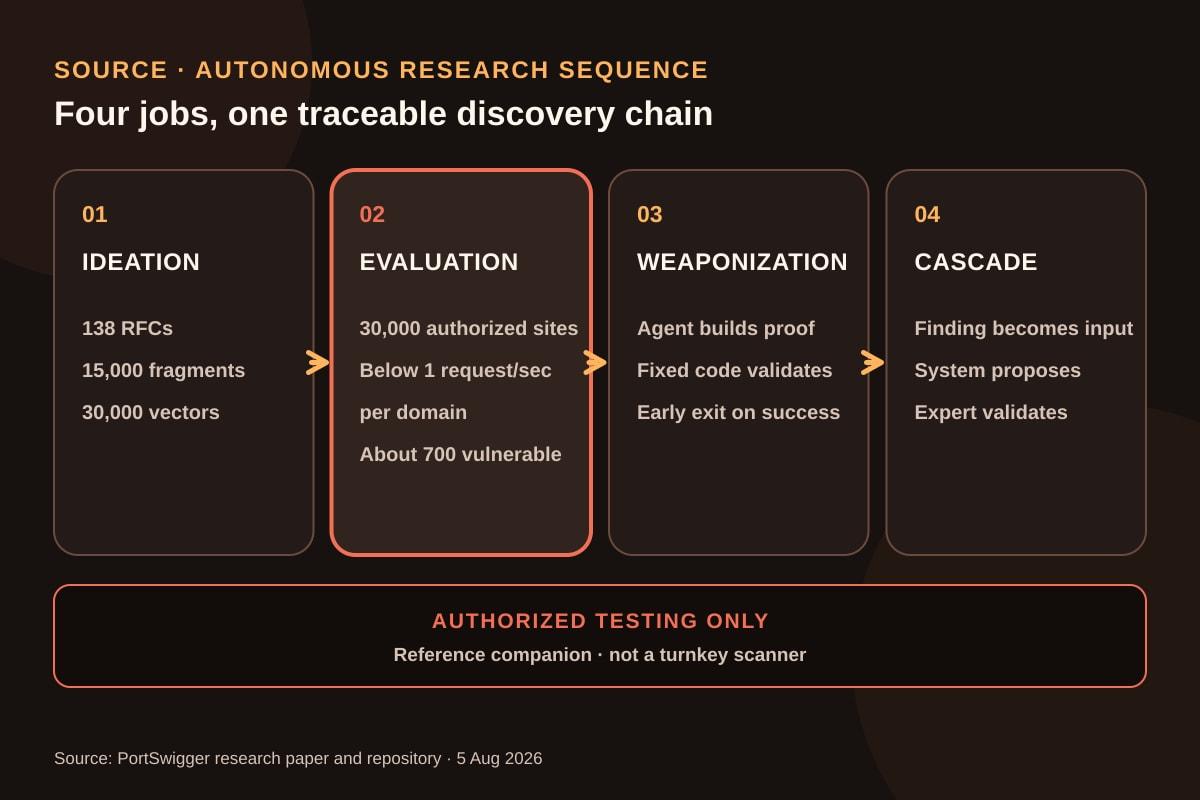
PortSwigger generated 30,000 candidate HTTP attack vectors. The useful result came from the evaluator, deterministic proof, authorization boundary, and expert-guided cascade.

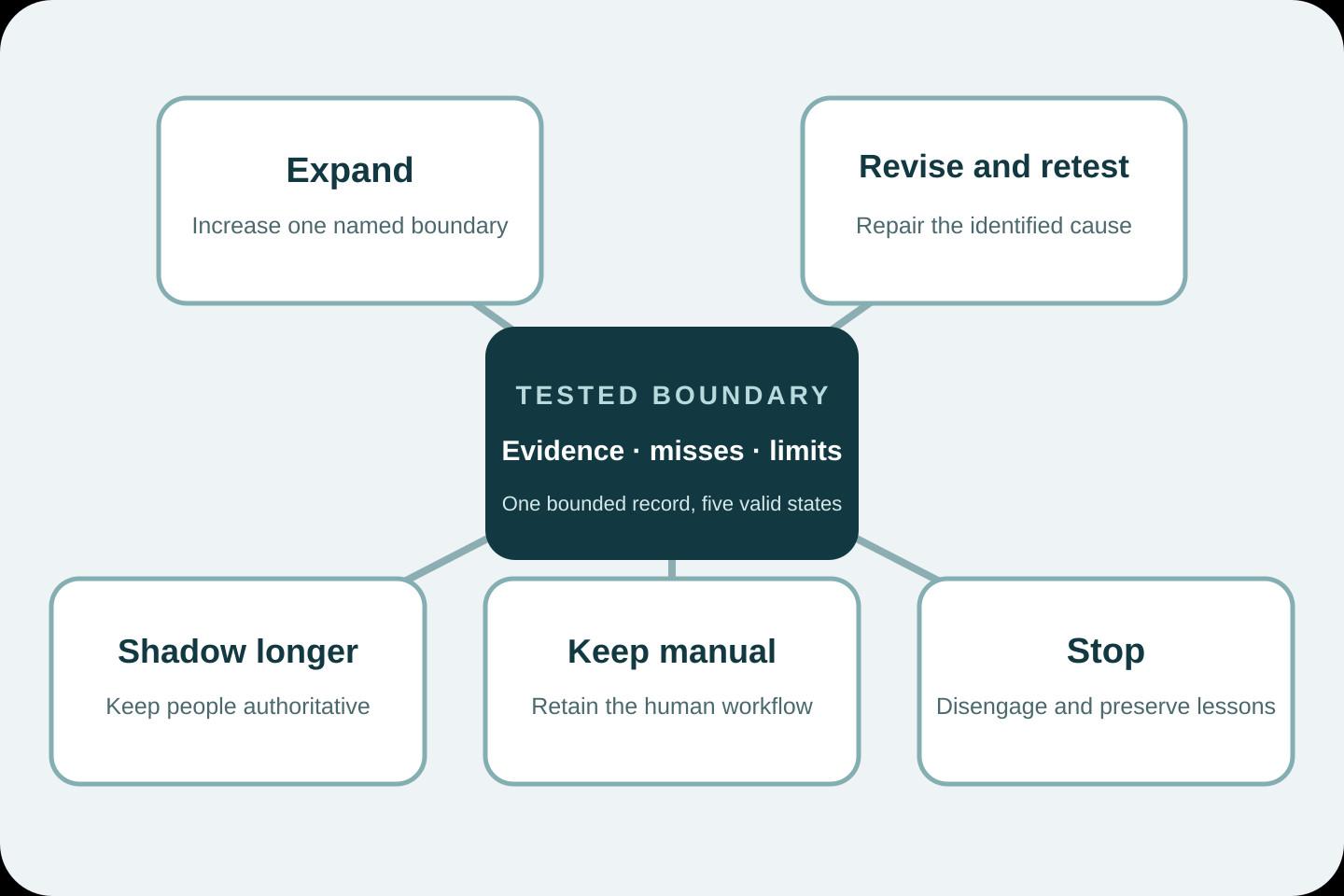
Classify what the AI pilot proved, what failed, and what remains untested. Then choose one next state with a prerequisite, owner, and review date.

Baseten joined Hugging Face Inference Providers with two account paths. See how routed billing and a custom Baseten key change credentials, credits, and usage records.

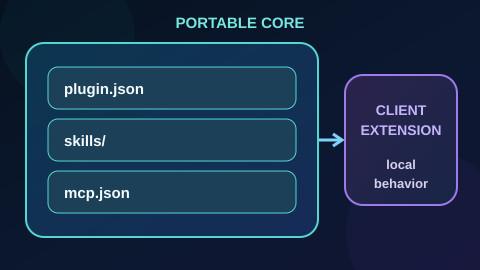
Agent Plugins 1.0.0 gives skills and MCP servers one portable package. Client permissions, transport support, trust checks, and sandboxing stay local.

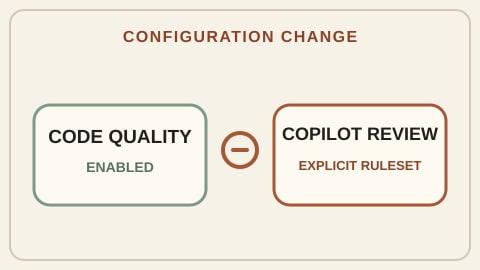
Code Quality no longer creates a ruleset that automatically requests Copilot review. Older repositories may still carry different review behavior.

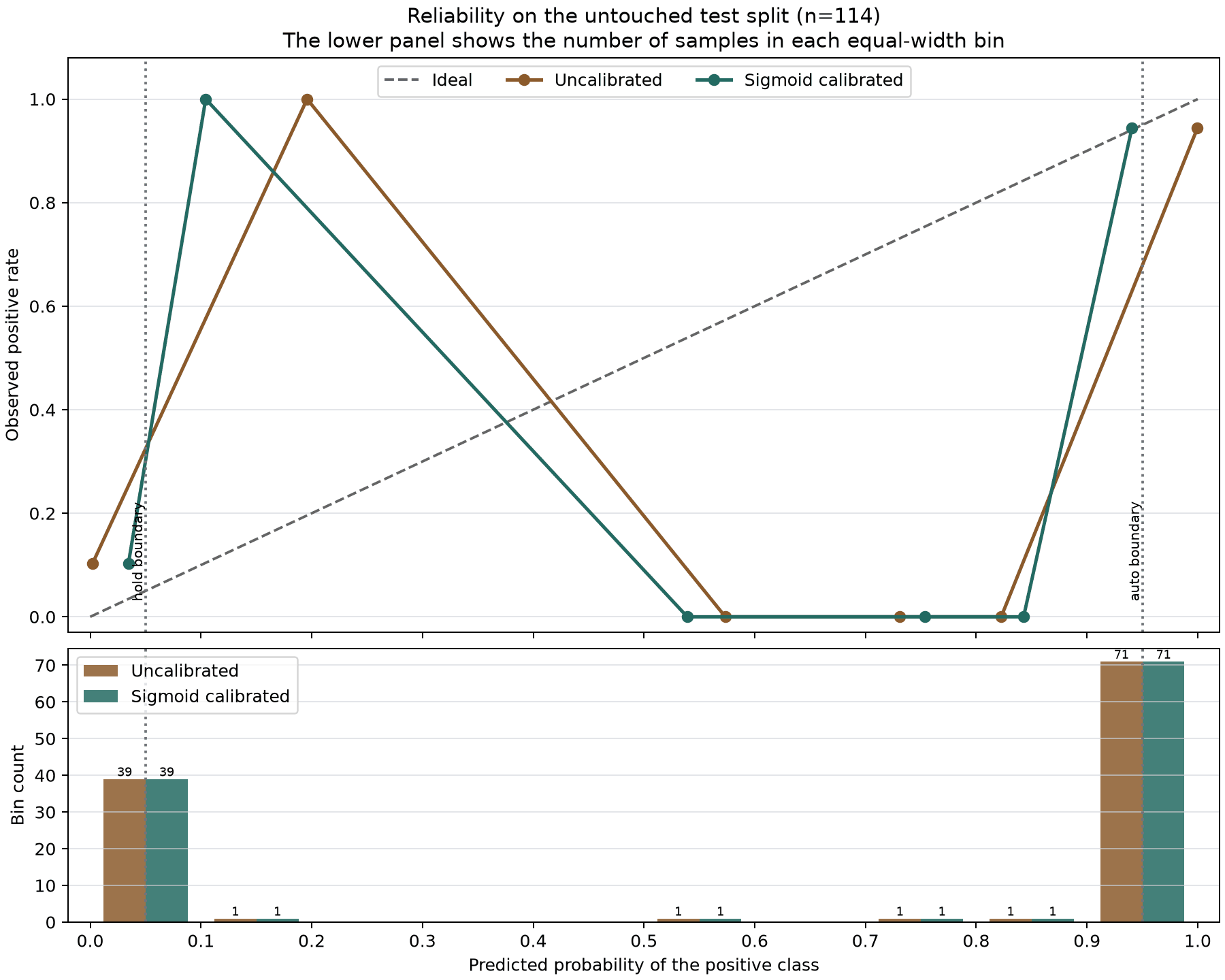
A reproducible scikit-learn example that separates ranking from calibration, plots bin counts, and shows how one numeric threshold can change an approval queue.

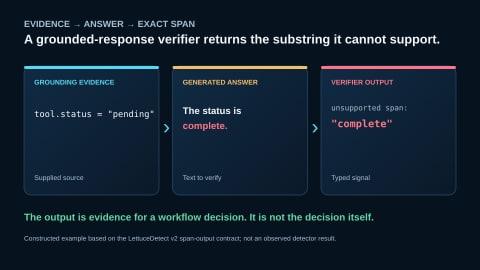
Semantic Router can now serve LettuceDetect v2 as a separate span-level verifier. The useful decision is what your application does with its signal.

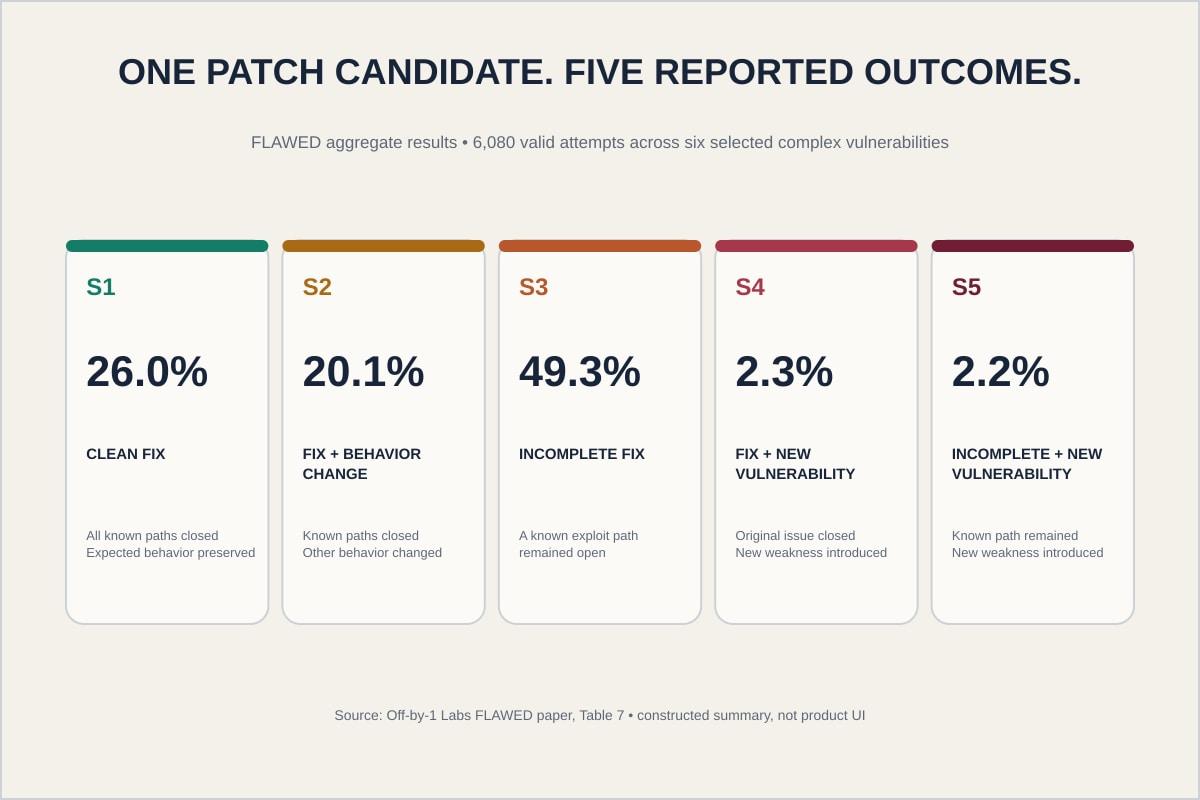
1Password's FLAWED study separates clean fixes, behavior-changing fixes, incomplete fixes, and introduced vulnerabilities across 6,080 AI patch attempts.
Constructed diagramCloudflare Kitesurf uses less CPU and memory but takes longer in vendor tests. Trial one-shot browser jobs and keep stateful work on Chromium.
Dive deeper into the subjects that matter to you

Implementation notes for building AI tools around real business data, handoffs, review queues, and safeguards.

Product notes, service updates, and BaristaLabs news that affect how small teams use AI at work.

AI market news translated into workflow decisions, risk boundaries, and practical next steps for small businesses.

Model concepts explained through thresholds, queues, and error costs that small teams can actually manage.

Plain-language guidance for owners and operators choosing one useful, reviewable AI workflow at a time.

Hands-on guides for approval policies, shadow weeks, agent receipts, and other AI workflow controls.