AI Development·
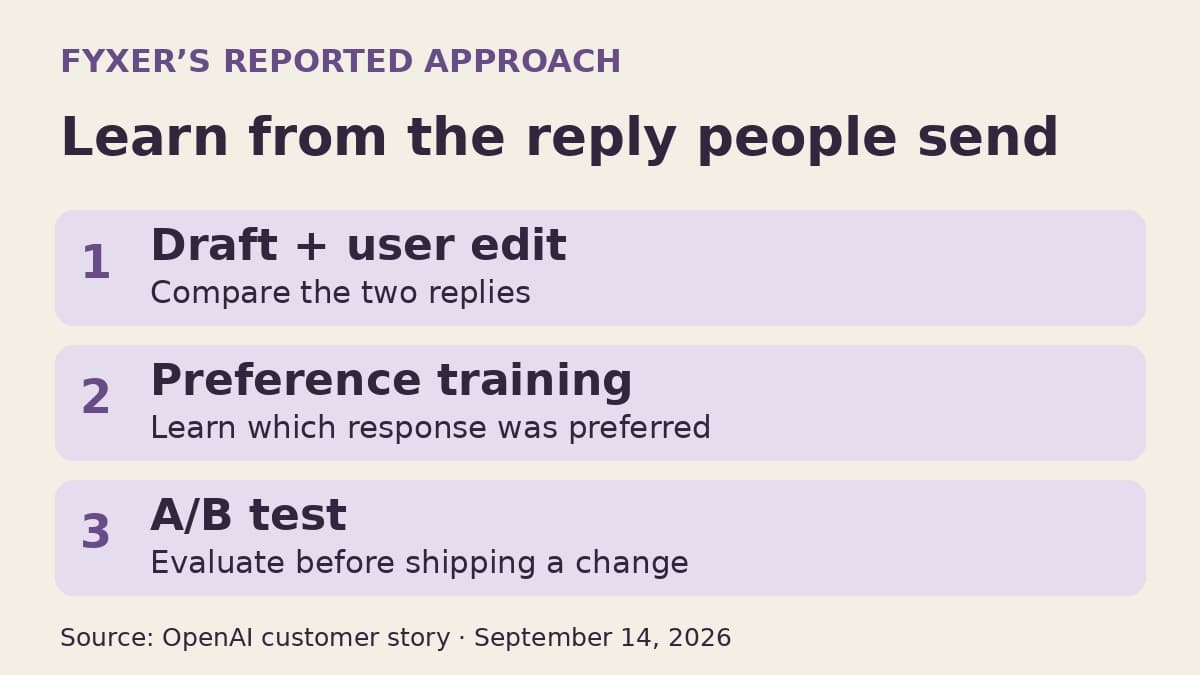
What Fyxer learns from edits to AI email drafts
Fyxer reports that 53% of its AI drafts are accepted unchanged. Its approach shows why the edits people make can be more useful than a single acceptance score.
6 min read
Search articles, pages, and resources across BaristaLabs.
Start typing to search...

Page 3 of 64
Insights on AI, machine learning, and technology strategy
Fyxer reports that 53% of its AI drafts are accepted unchanged. Its approach shows why the edits people make can be more useful than a single acceptance score.
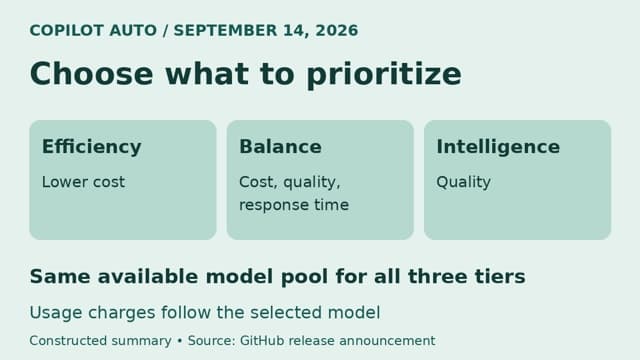
Copilot Auto now lets developers weigh cost, quality, and response time. All three tiers use the same available models; the selected model still determines usage charges.
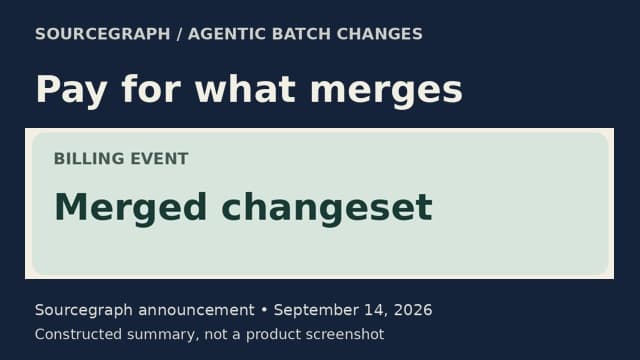
Agentic Batch Changes is generally available for Sourcegraph Cloud. Its new billing event is a merged changeset, but the public announcement leaves important quote details open.
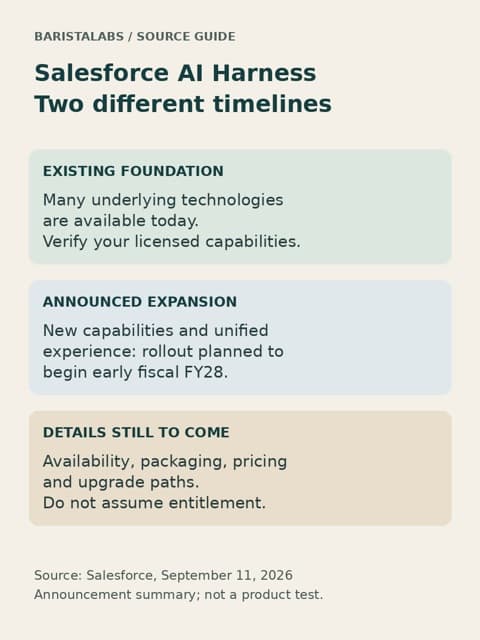
The new architecture promises reuse across enterprise AI. Evaluate existing capabilities now, and keep future consolidation separate from work you can deliver today.
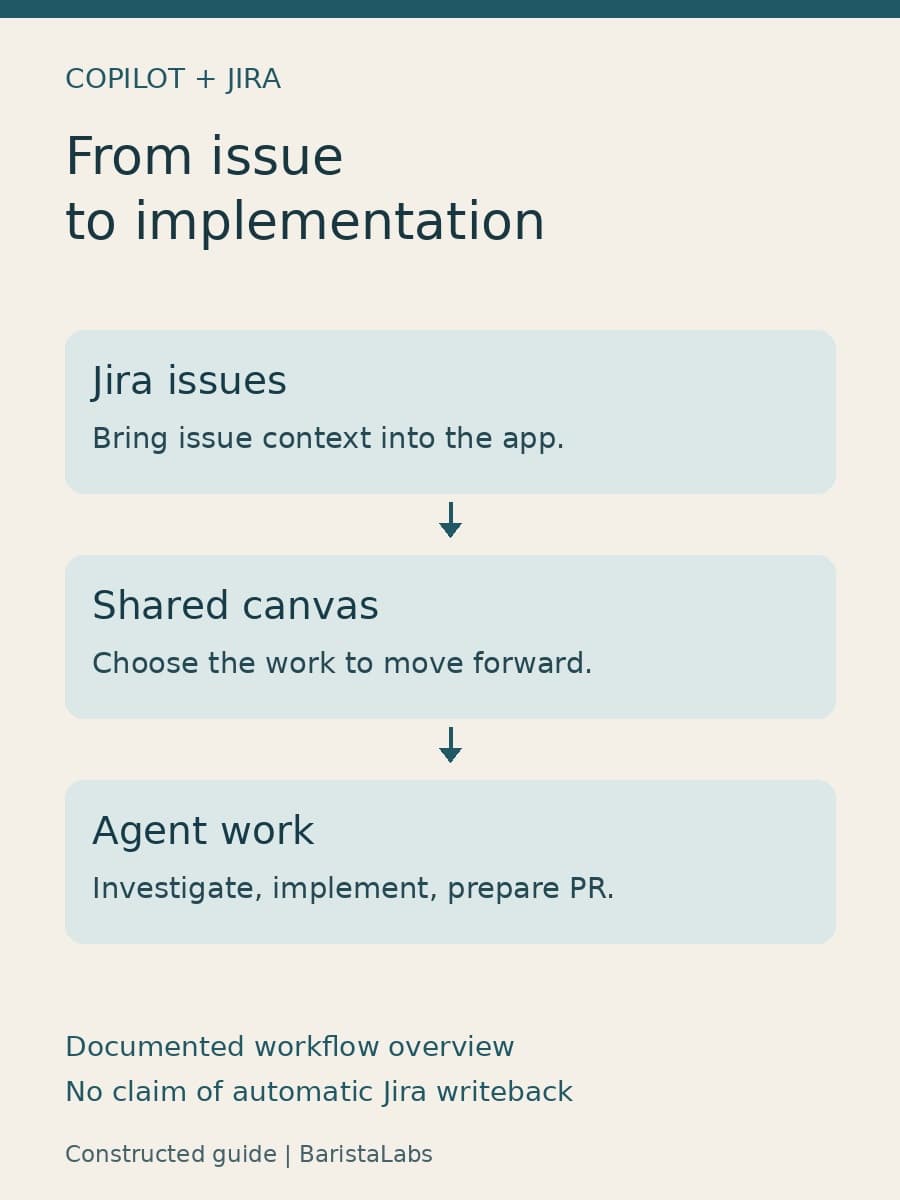
The new Jira integration can reduce repeated context transfer. A changed-requirement trial shows what reaches the implementation and what still needs a manual step.
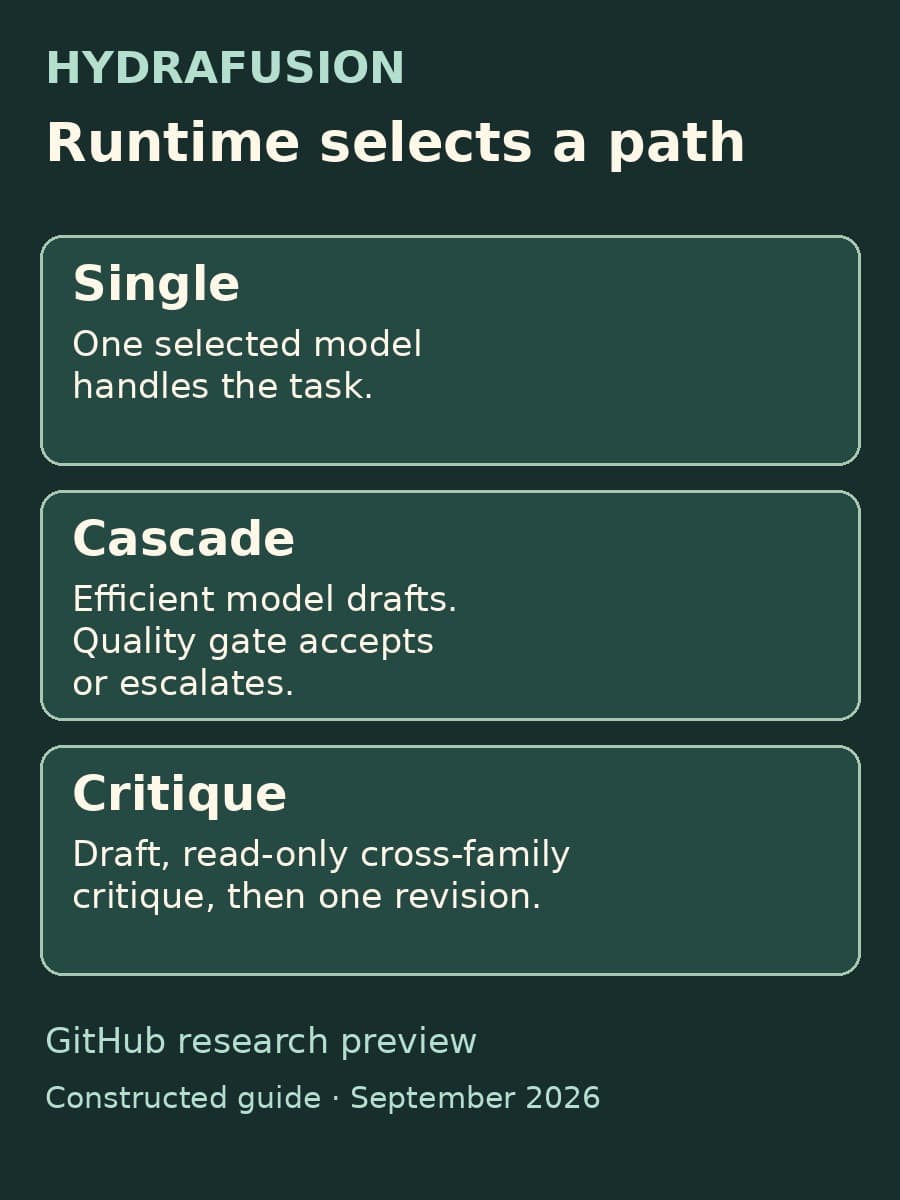
HydraFusion chooses a coding workflow as well as its models. Compare the complete attempt, including critique, revision, and escalation.
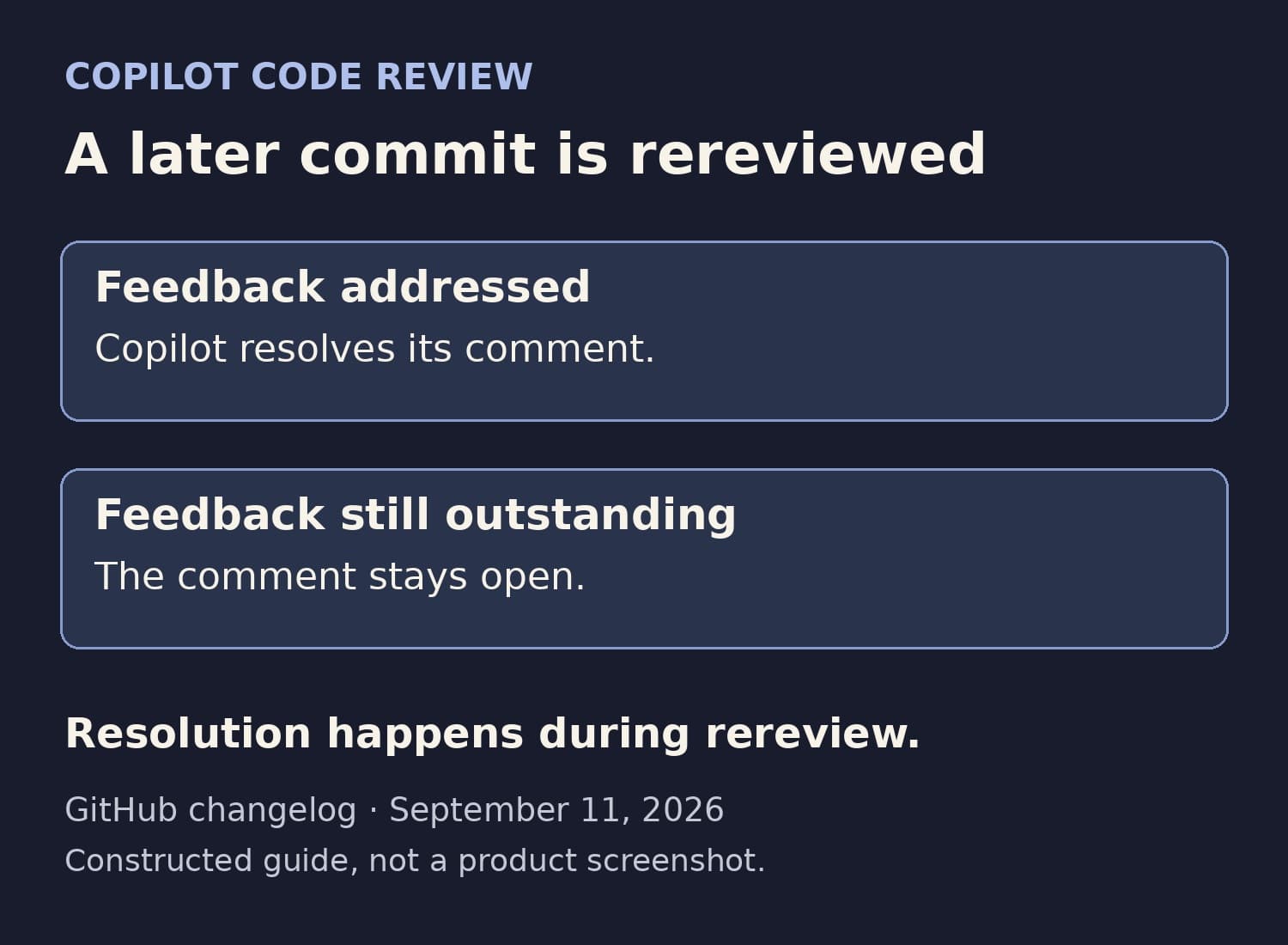
Copilot can now close its own addressed comments during rereview. A cleaner list helps follow-up, but open-thread totals need careful labels.
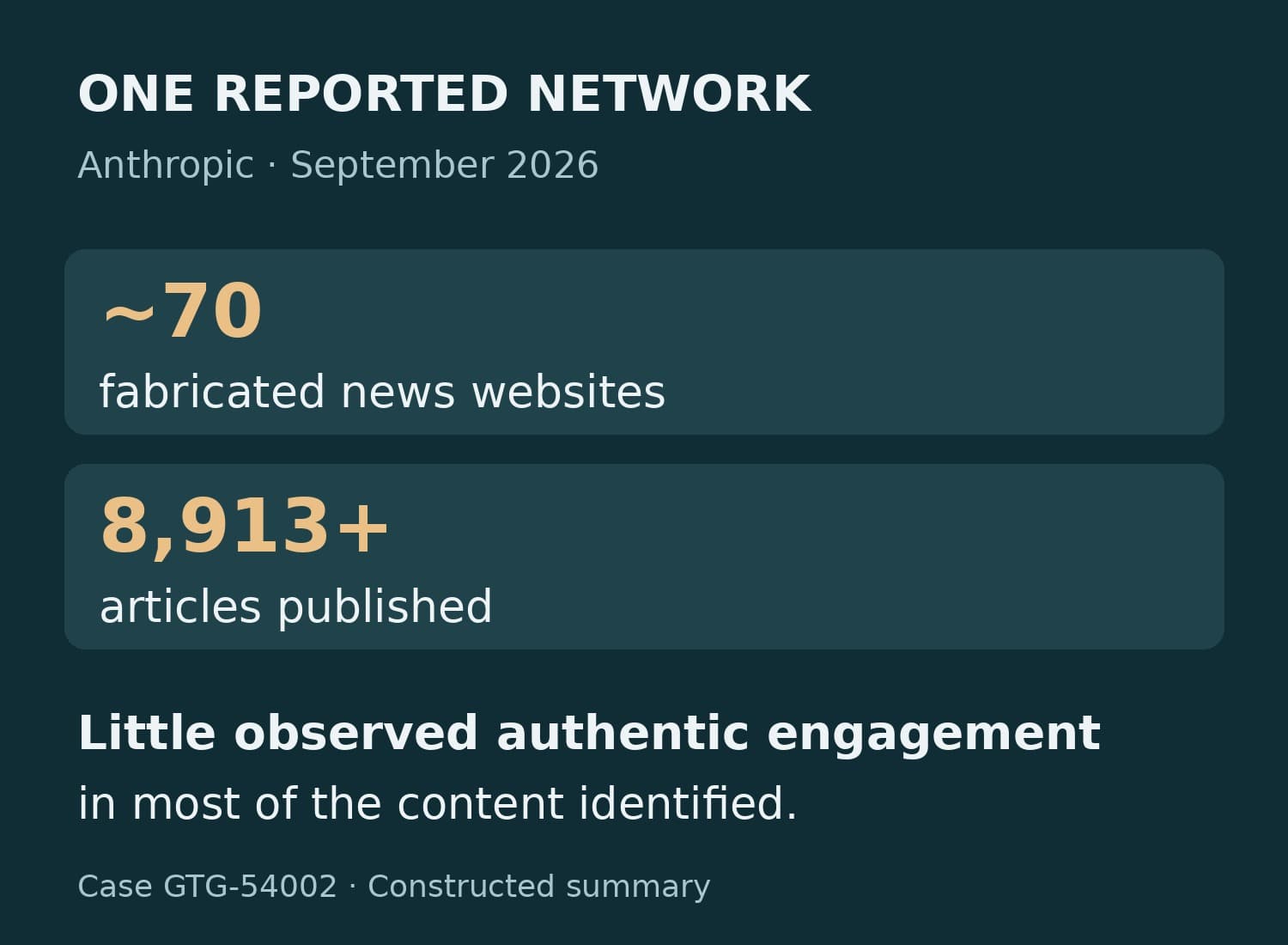
Anthropic found thousands of articles across a fabricated news network with little observed authentic engagement. Here is what to change in a media report.
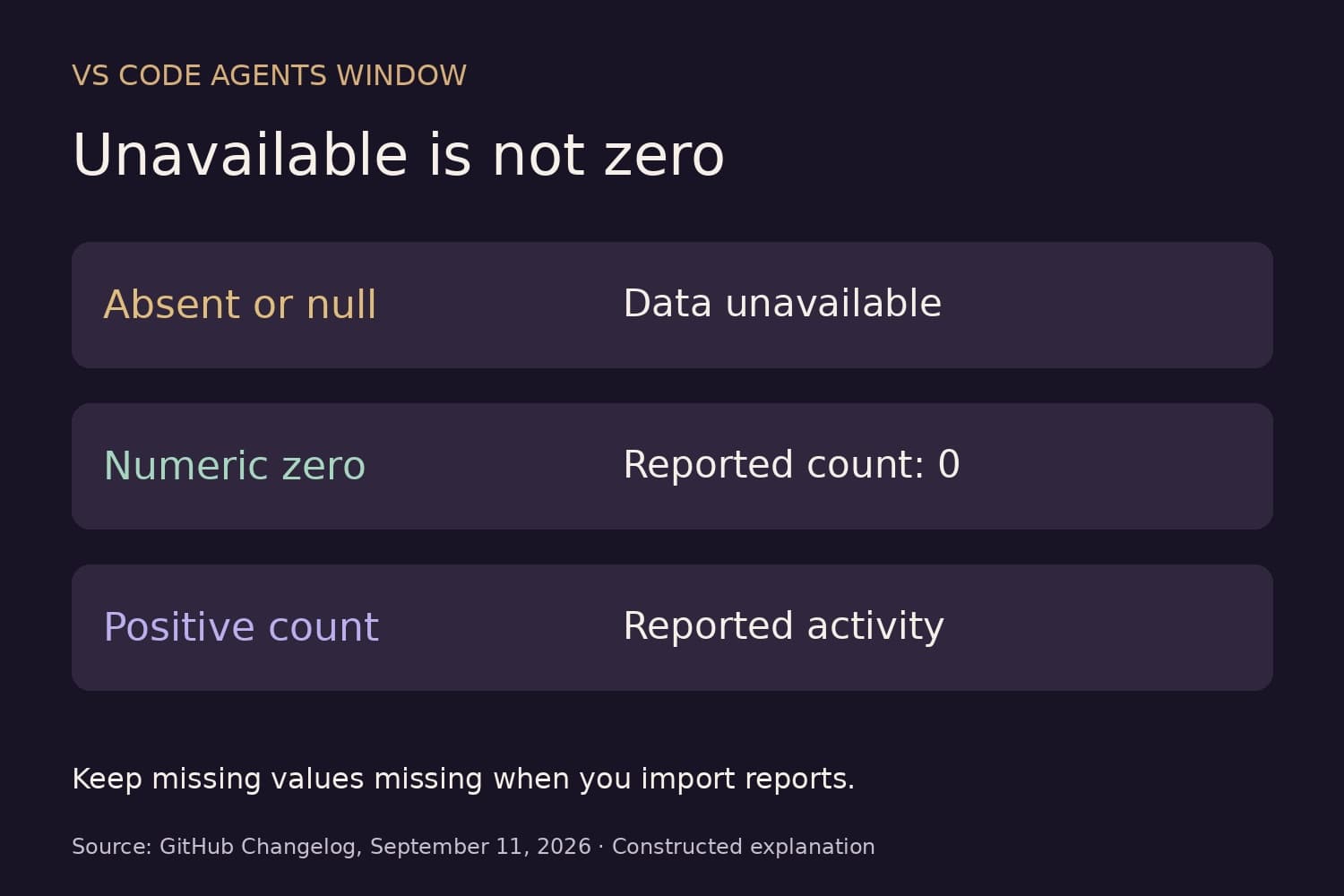
New Copilot report fields measure the dedicated VS Code Agents window. Here is how to import them without turning unavailable data into zero activity.
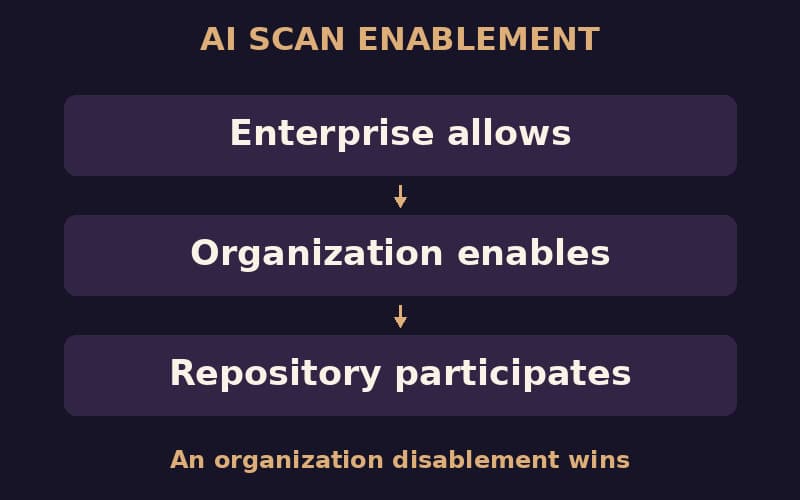
GitHub AI Scan flags possible security bugs on pull requests. Here is where to find them, how to review a suggested fix, and what the preview requires.
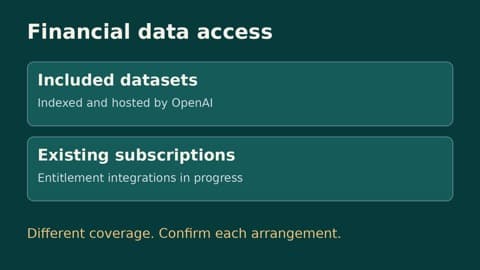
A provider name is not a coverage guarantee. Evaluate included datasets, subscription entitlements, and the financial evidence that reaches the final file.

Waived licenses and discounted usage change an agency quote only when the purchasing entity, service, account, and effective dates are confirmed.
Dive deeper into the subjects that matter to you

Implementation notes for building AI tools around real business data, handoffs, review queues, and safeguards.

Product notes, service updates, and BaristaLabs news that affect how small teams use AI at work.

AI market news translated into workflow decisions, risk boundaries, and practical next steps for small businesses.
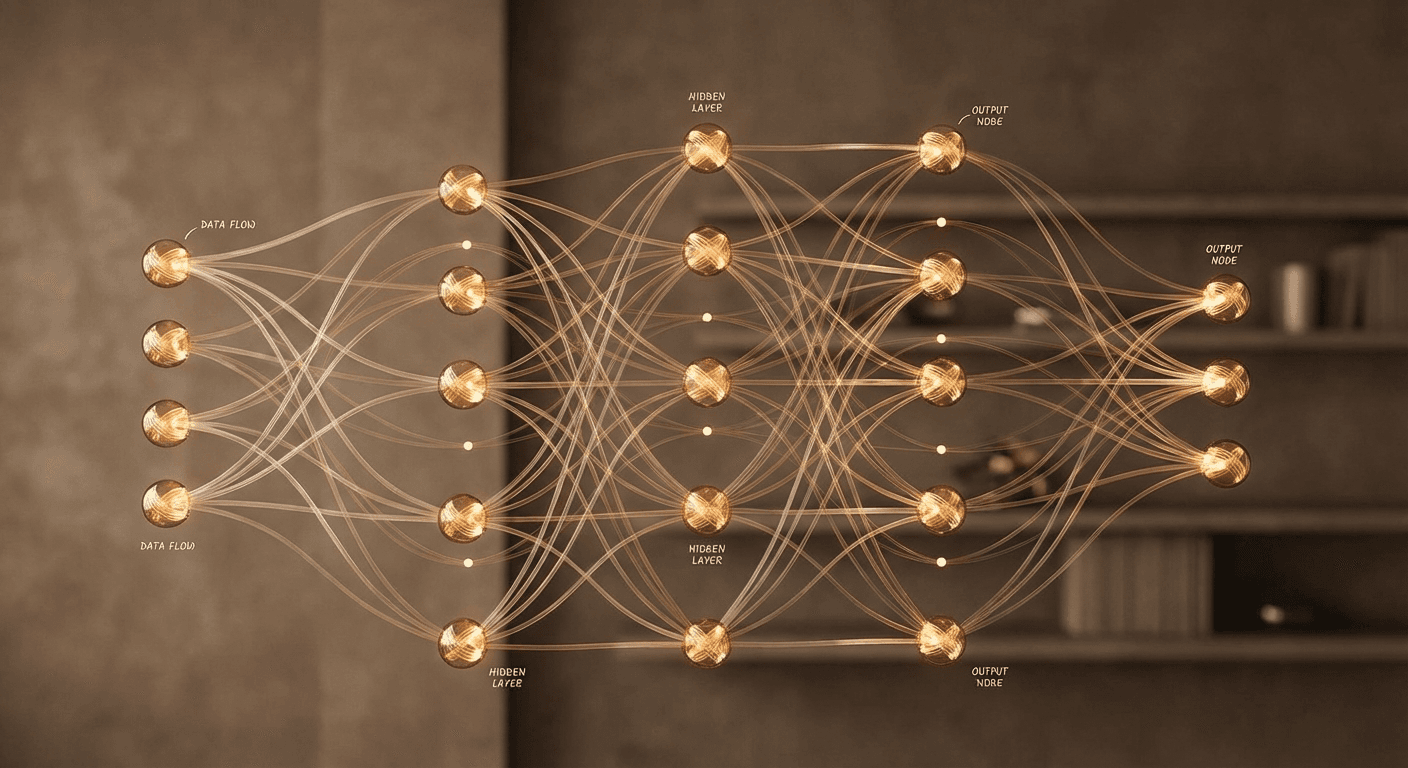
Model concepts explained through thresholds, queues, and error costs that small teams can actually manage.

Plain-language guidance for owners and operators choosing one useful, reviewable AI workflow at a time.
Hands-on guides for approval policies, shadow weeks, agent receipts, and other AI workflow controls.