
Industry Insights·
OpenAI's government AI offer is not a free deployment
Waived licenses and discounted usage change an agency quote only when the purchasing entity, service, account, and effective dates are confirmed.
7 min read
Search articles, pages, and resources across BaristaLabs.
Start typing to search...

Page 4 of 64
Insights on AI, machine learning, and technology strategy
Waived licenses and discounted usage change an agency quote only when the purchasing entity, service, account, and effective dates are confirmed.
 Constructed diagram
GPT-Image-2.5 Flare and Sunburst promise tighter edits and better consistency. Before migrating a creative workflow, measure what changed and what should not have changed.
 Constructed diagram
Copilot for JetBrains can now receive centrally managed sandbox restrictions. A useful pilot proves what the agent can reach and what happens when a required tool is denied.
 Constructed diagram
OpenAI's internal account of concurrent coding agents shows why experiment count is a poor adoption metric. Define evidence, review capacity, and promotion authority first.
 Constructed diagram
AWS MCP Server now gives coding and operations agents a read-only path across Lambda incident evidence. The useful pilot tests evidence coverage, IAM scope, and the handoff from diagnosis to repair.
 Constructed diagram
AWS's new WhatsApp sample separates text, voice notes, and calls while keeping menu, cart, order, and customer state behind one backend. That is the part worth copying.

A burst, a depleted allowance, and a closed cost boundary can all stop an AI workload. Learn which control failed and choose the safe response.
 Constructed diagram
Google now pools Gemini Enterprise and Antigravity allowances across a project. That reduces stranded capacity, but one heavy workload can consume capacity that another team expected to use.
 Constructed diagram
Amazon OpenSearch Service can return an agent summary and an interactive observability view in one tool response. Test whether that shortens verification without mistaking one query path for independent proof.
 Constructed diagram
OpenAI reports that GPT-6 Astra stayed inside its authorized target in a new impossible-task evaluation. Turn that vendor result into a workflow test before an agent can act.
 Constructed diagram
Amazon Bedrock AgentCore Gateway can now limit requests, tokens, and connections by user, group, model, target, or tool. The important design choice is which callers share a bucket.
 Constructed diagram
OpenAI says a Clay seller uses a dedicated subagent for every account. Before that pattern becomes shared sales infrastructure, define what is current, what wins when sources conflict, and what remains a human decision.
Dive deeper into the subjects that matter to you

Implementation notes for building AI tools around real business data, handoffs, review queues, and safeguards.

Product notes, service updates, and BaristaLabs news that affect how small teams use AI at work.

AI market news translated into workflow decisions, risk boundaries, and practical next steps for small businesses.
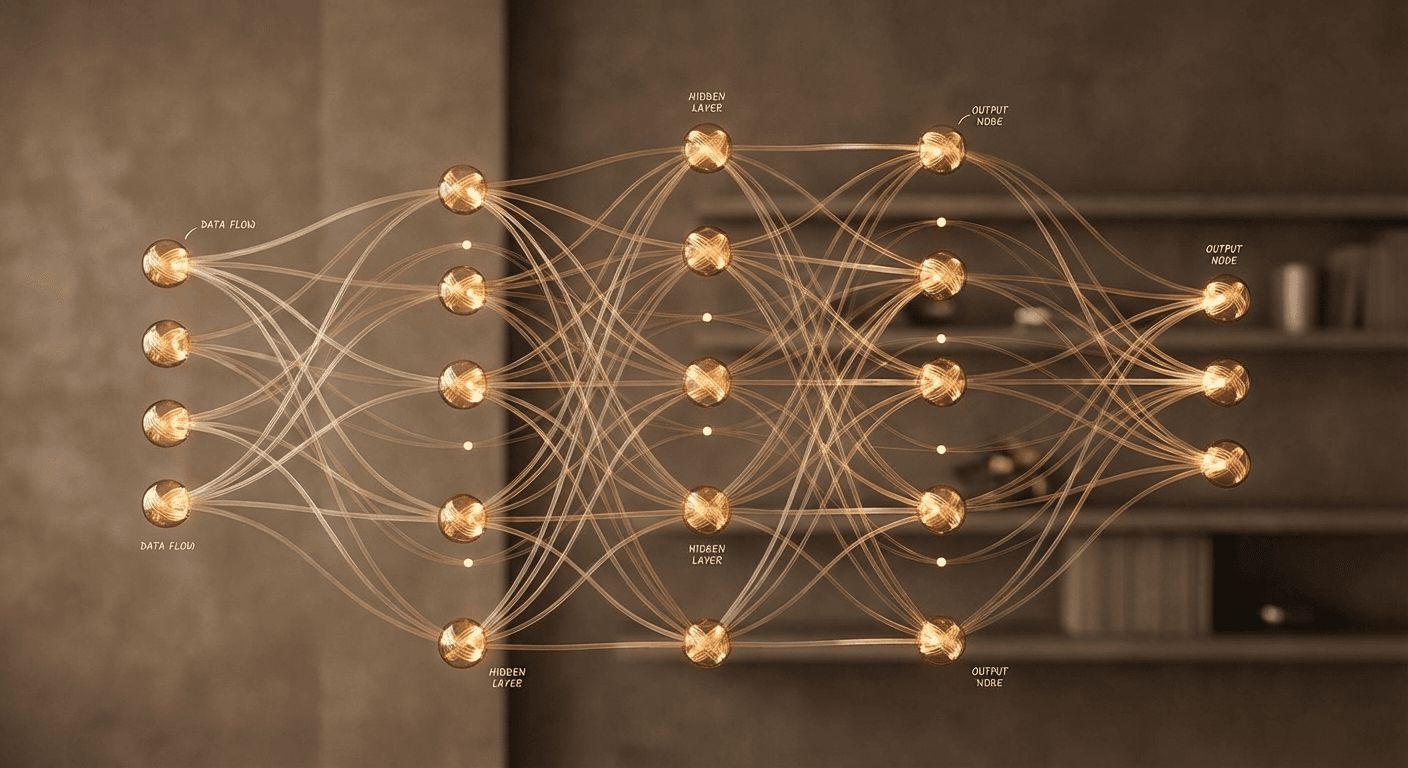
Model concepts explained through thresholds, queues, and error costs that small teams can actually manage.

Plain-language guidance for owners and operators choosing one useful, reviewable AI workflow at a time.
Hands-on guides for approval policies, shadow weeks, agent receipts, and other AI workflow controls.