Before an AI agent joins the board, write the work contract
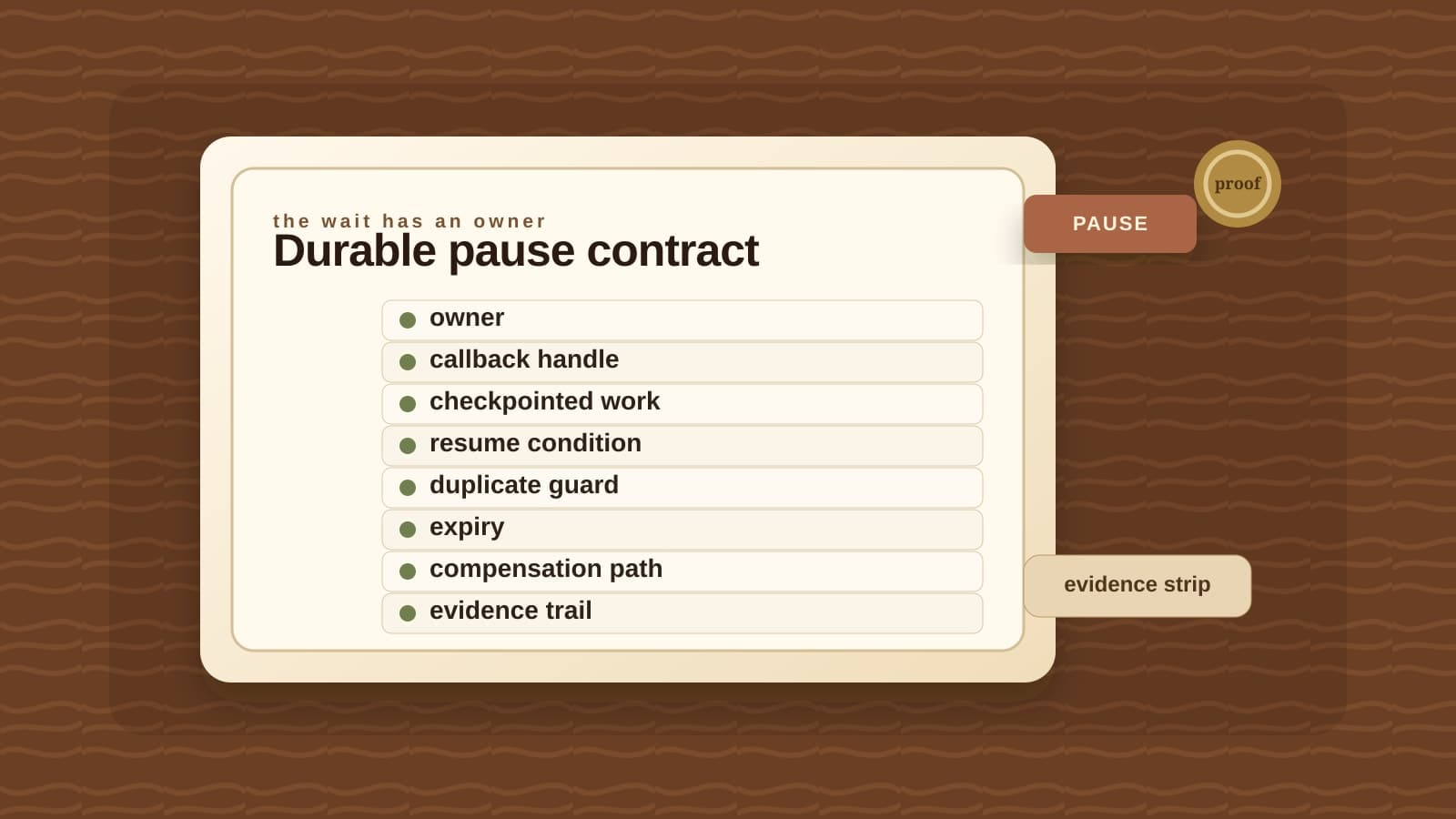
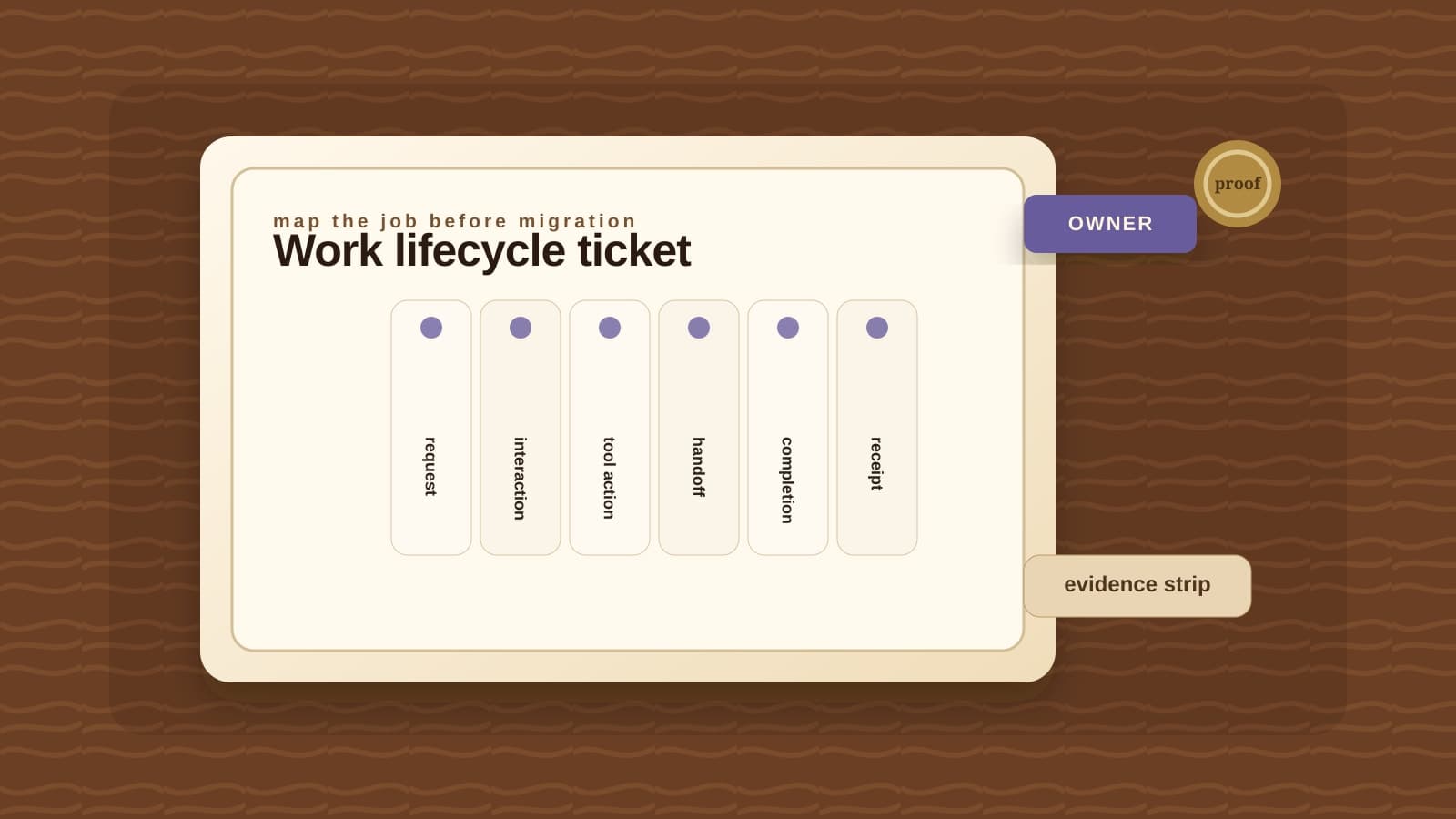
A shared board is not enough. If AI agents can pick up real work, the ticket has to say what they may touch, what proof they owe, and when a human must step in.
Search articles, pages, and resources across BaristaLabs.
Start typing to search...

Page 23 of 61
Insights on AI, machine learning, and technology strategy

A shared board is not enough. If AI agents can pick up real work, the ticket has to say what they may touch, what proof they owe, and when a human must step in.

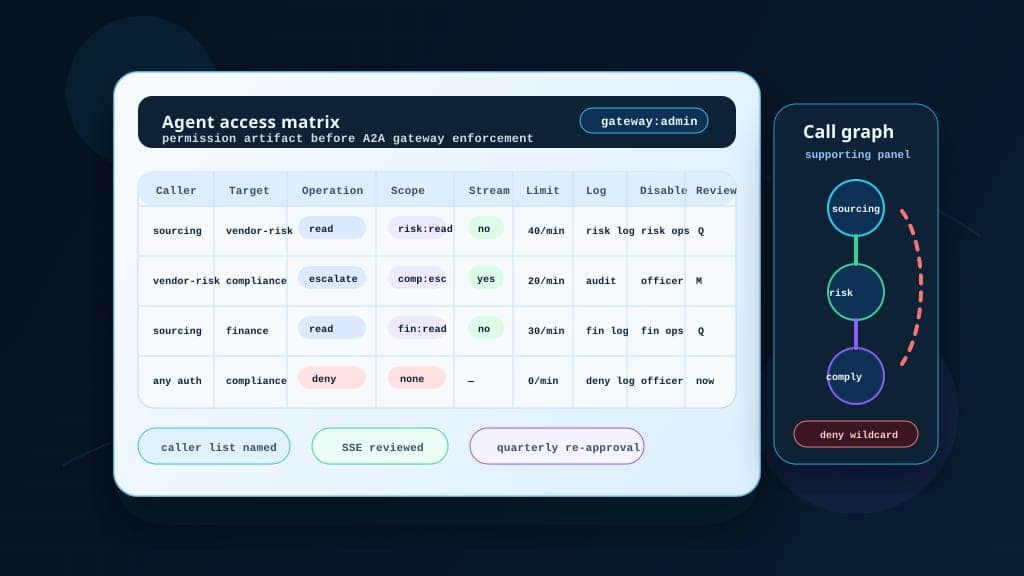
AI agents that touch production need an external control point. The first rollout artifact is not a big governance policy. It is an observe-to-enforce plan.

Rocket Close's Supercharger case study is not just a mortgage AI story. It is a practical pattern for launching production agents in messy back-office workflows.

Local-first AI assistants are winning attention with broad connector lists. Before rollout, turn those connectors into a manifest with scope, owners, test cases, and removal rules.

Before teams clone, resume, or switch AI agent sessions between models, they need a compact manifest that says what travels with the work.

When dependencies, test tools, and upstream repositories write rules for AI coding agents, teams need a visible no-fly list before agents change code.

Elodin's AI Grand Prix simulator shows what serious autonomy testing looks like: constrained worlds, real timing, telemetry, replay, and safe failure before production access.

Google's Gemini connection for Business Profile gives small businesses an assistant for reviews, posts, hours, menus, photos, and search insights. The smart move is to connect it with receipts and approvals before it edits the storefront.

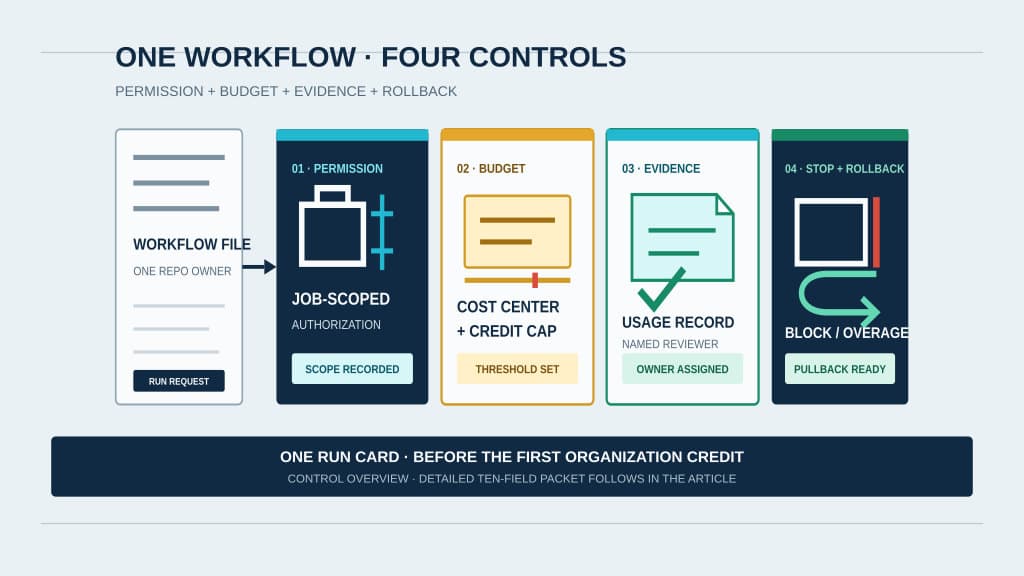
Security reviews and approval policies are necessary, but autonomous agents also need a separate spend circuit breaker before they touch metered systems.

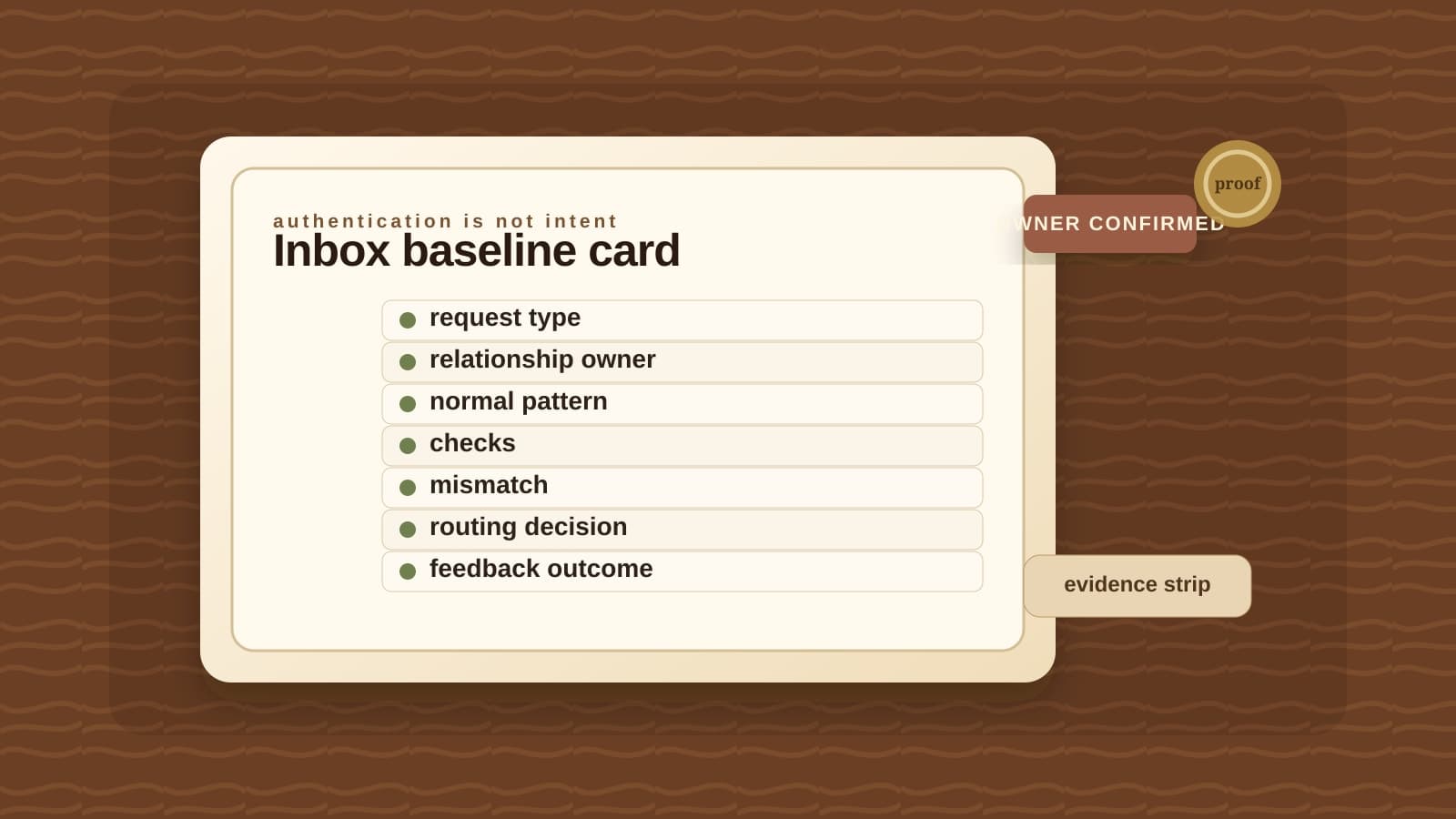
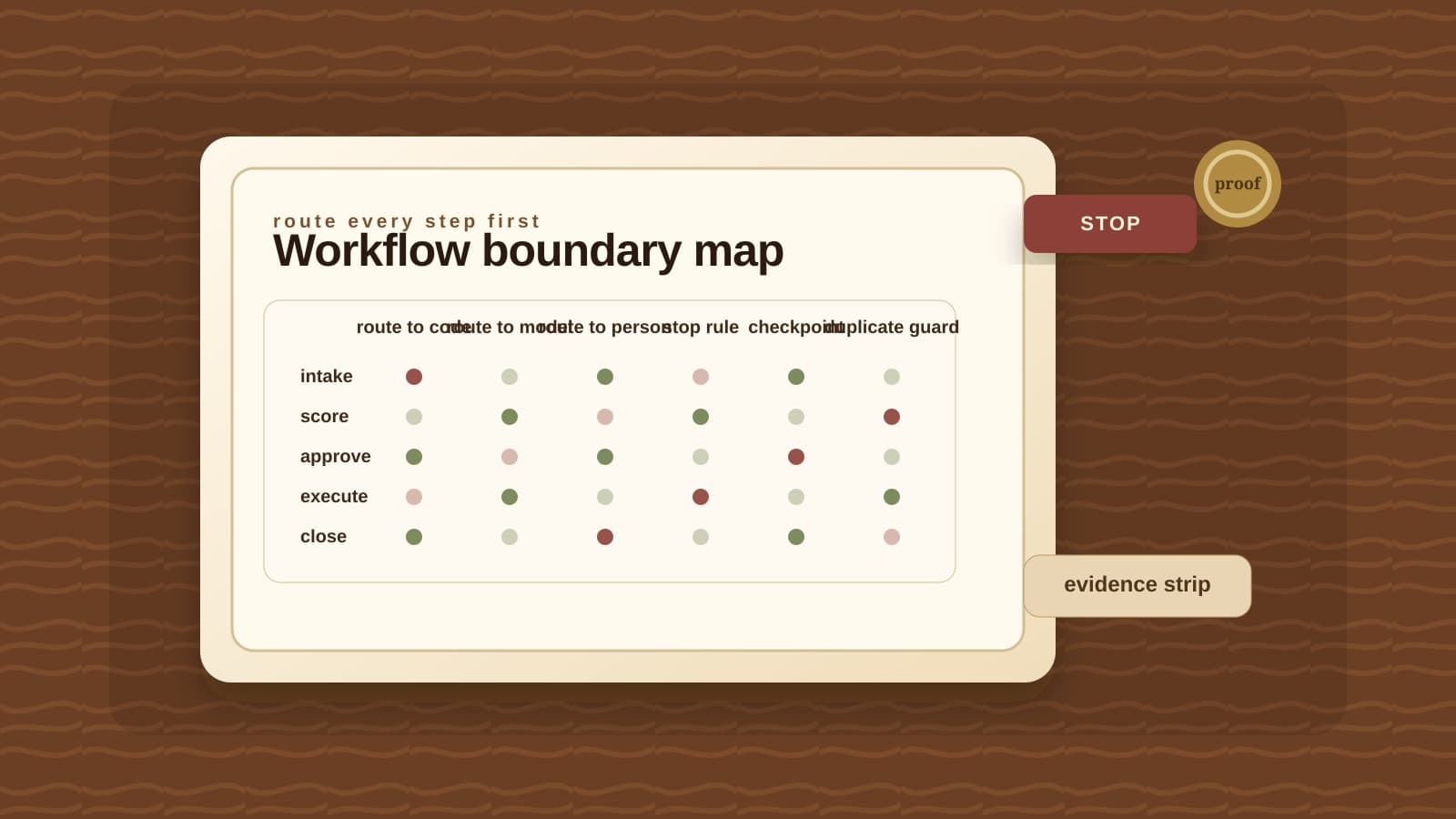
A practical technical tutorial for reviewing one AI workflow before it gets access to inboxes, CRM records, documents, vendor APIs, or model tools.

Threshold tuning is not just a model dashboard choice. It changes review volume, customer-visible mistakes, and which AI actions still need human approval.

Prove that one pinned agent sandbox allows the intended task, blocks denied work at the expected point, protects test secrets, records evidence, and falls back safely.
Dive deeper into the subjects that matter to you

Implementation notes for building AI tools around real business data, handoffs, review queues, and safeguards.

Product notes, service updates, and BaristaLabs news that affect how small teams use AI at work.

AI market news translated into workflow decisions, risk boundaries, and practical next steps for small businesses.

Model concepts explained through thresholds, queues, and error costs that small teams can actually manage.

Plain-language guidance for owners and operators choosing one useful, reviewable AI workflow at a time.

Hands-on guides for approval policies, shadow weeks, agent receipts, and other AI workflow controls.