Small Business AI·
What a Two-Day AI Agent Workshop Can Prove
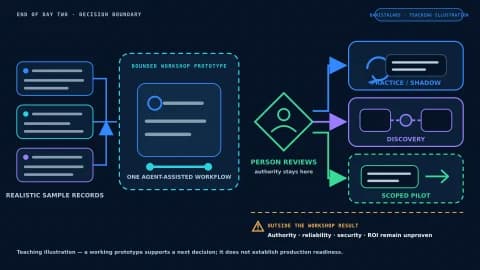
A working workshop prototype can prove that a team understands and can operate one bounded AI-assisted workflow. Learn what remains untested and how to choose the next step.
9 min read
Search articles, pages, and resources across BaristaLabs.
Start typing to search...

Page 11 of 64
Insights on AI, machine learning, and technology strategy
A working workshop prototype can prove that a team understands and can operate one bounded AI-assisted workflow. Learn what remains untested and how to choose the next step.
 Constructed diagram
Amazon Quick now applies Microsoft Purview sensitivity labels to files in chat, spaces, and knowledge bases. The consequential choices are the default and outage actions.
 Constructed diagram
Amazon Quick can now keep agent data and inference in GovCloud (US-West). That removes one deployment blocker, not the need to approve the full workflow.
 Constructed diagram
Copilot can carry repository facts and coding preferences between sessions and features. The enablement decision belongs at the user-policy layer, but its effects reach code review, CLI work, and repositories.
 Constructed diagram
Go's formatter, compiler, tests, vulnerability checks, and fuzzing can give coding agents a consistent verification path. That is a reason to test the path—not migrate on faith.
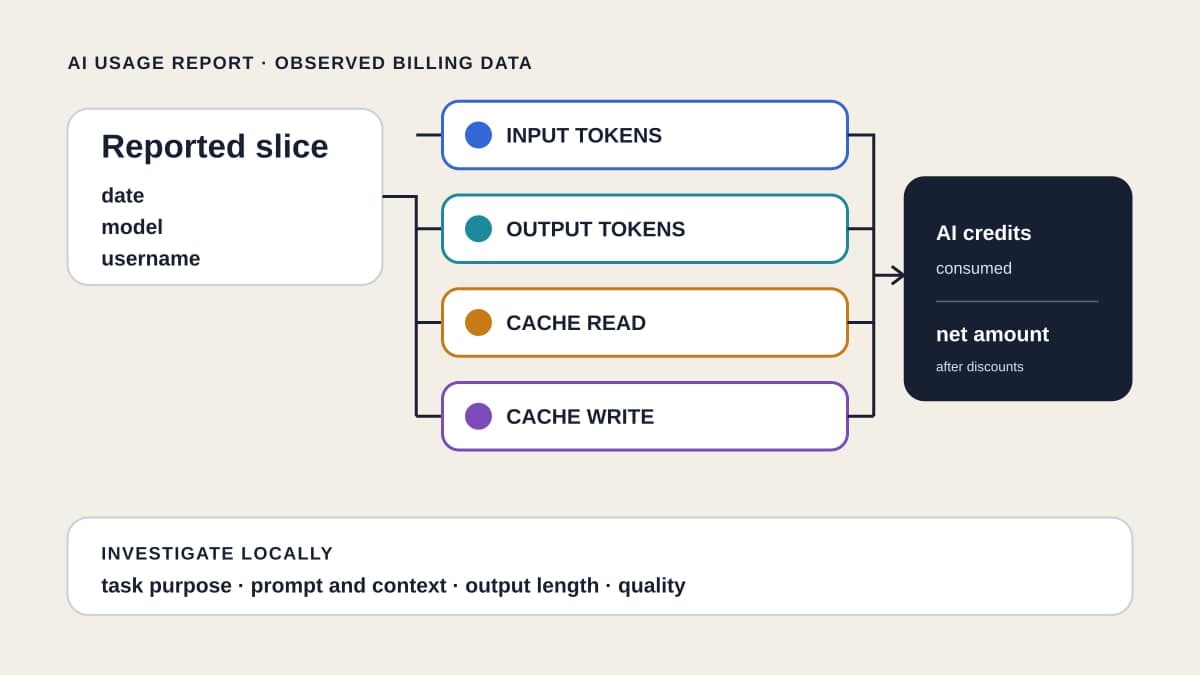
GitHub now exposes four token classes behind Copilot AI credits. The report can locate a costly slice, but task context and quality evidence must explain it.
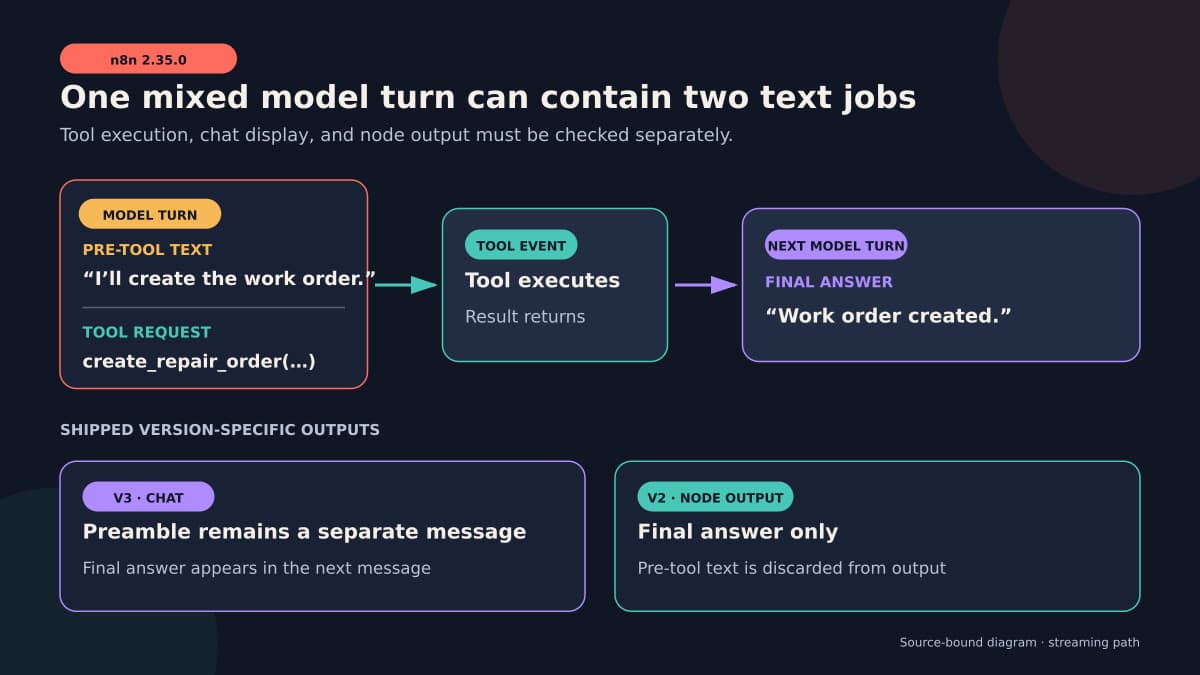
n8n 2.35 fixes pre-tool text leaking into later AI Agent responses. The repaired behavior differs between V3 chat messages and V2 node output, so test the exact path you operate.
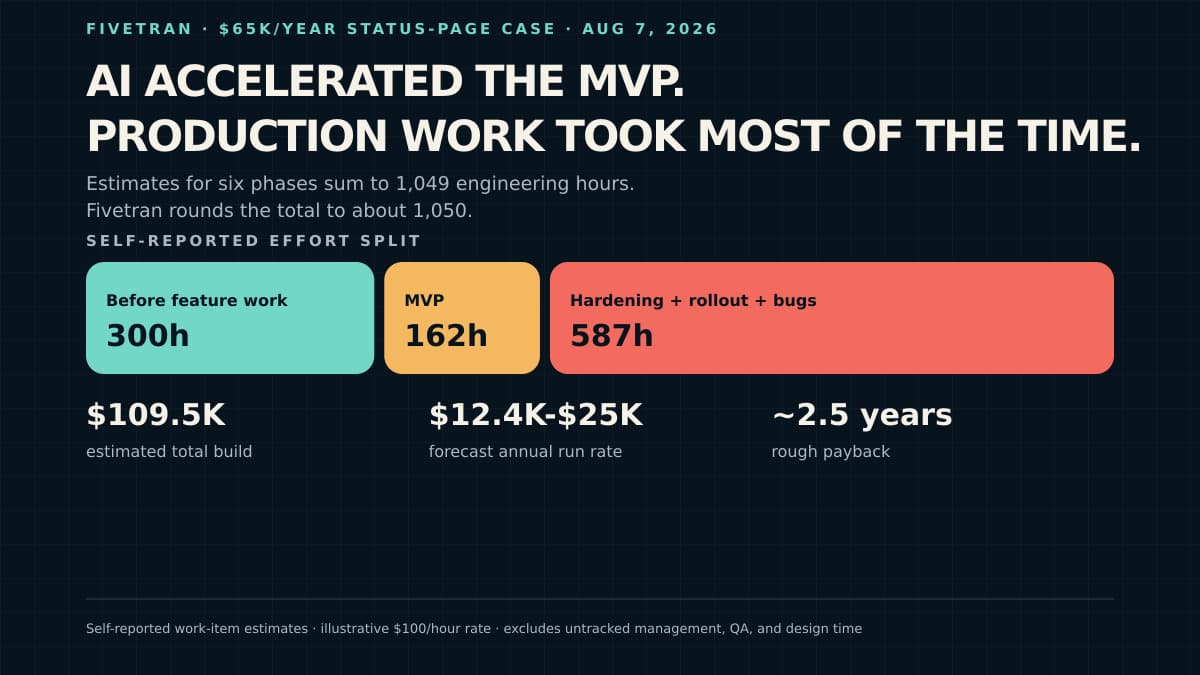
Fivetran estimates 162 engineering hours for its status-page MVP and another 587 for production hardening, rollout, and pre-release bug work. Its self-reported cost model shows when replacing a narrow SaaS slice may pay back and when buying remains the better choice.
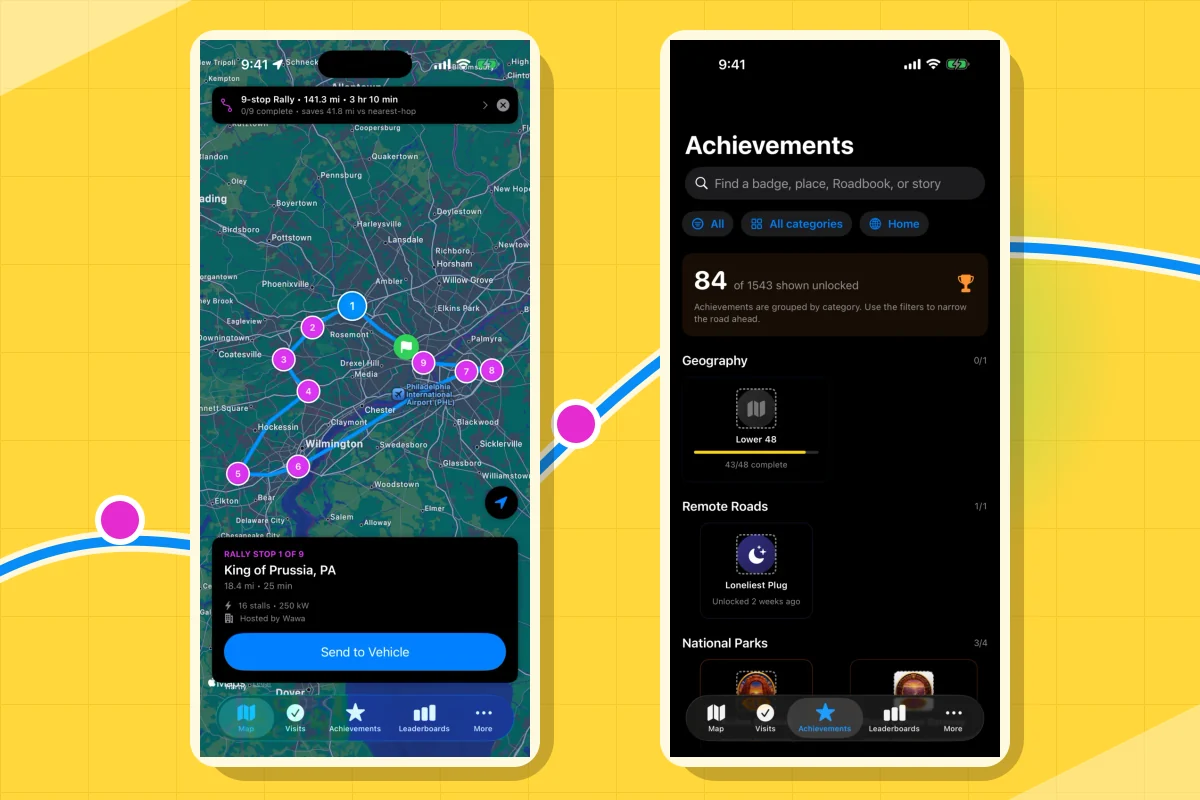
A first-party field note on the choose, drive, capture, and unlock loop behind Supercharger Rally—and the product boundaries to know before use.
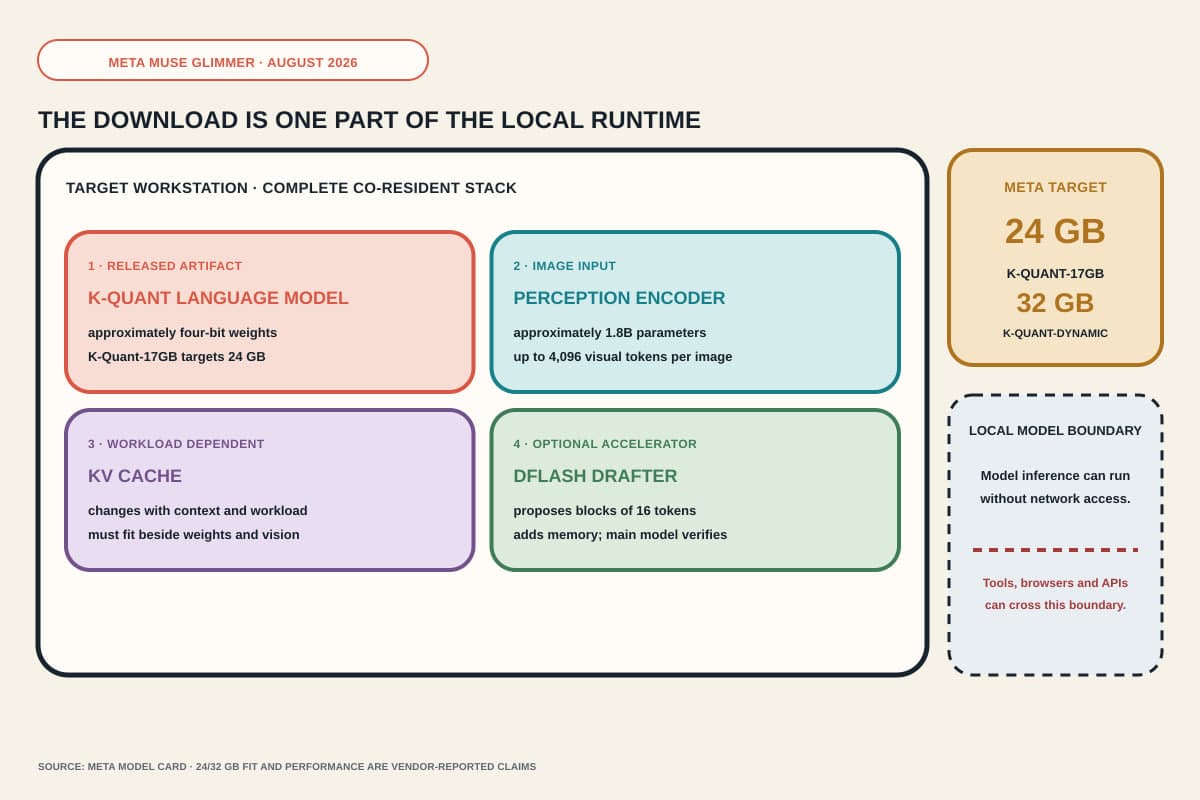
The 17 GB language-model artifact is only one part of Muse Glimmer’s local agent runtime. Test the complete stack, tool path, recovery behavior, and locality boundary on the target workstation.
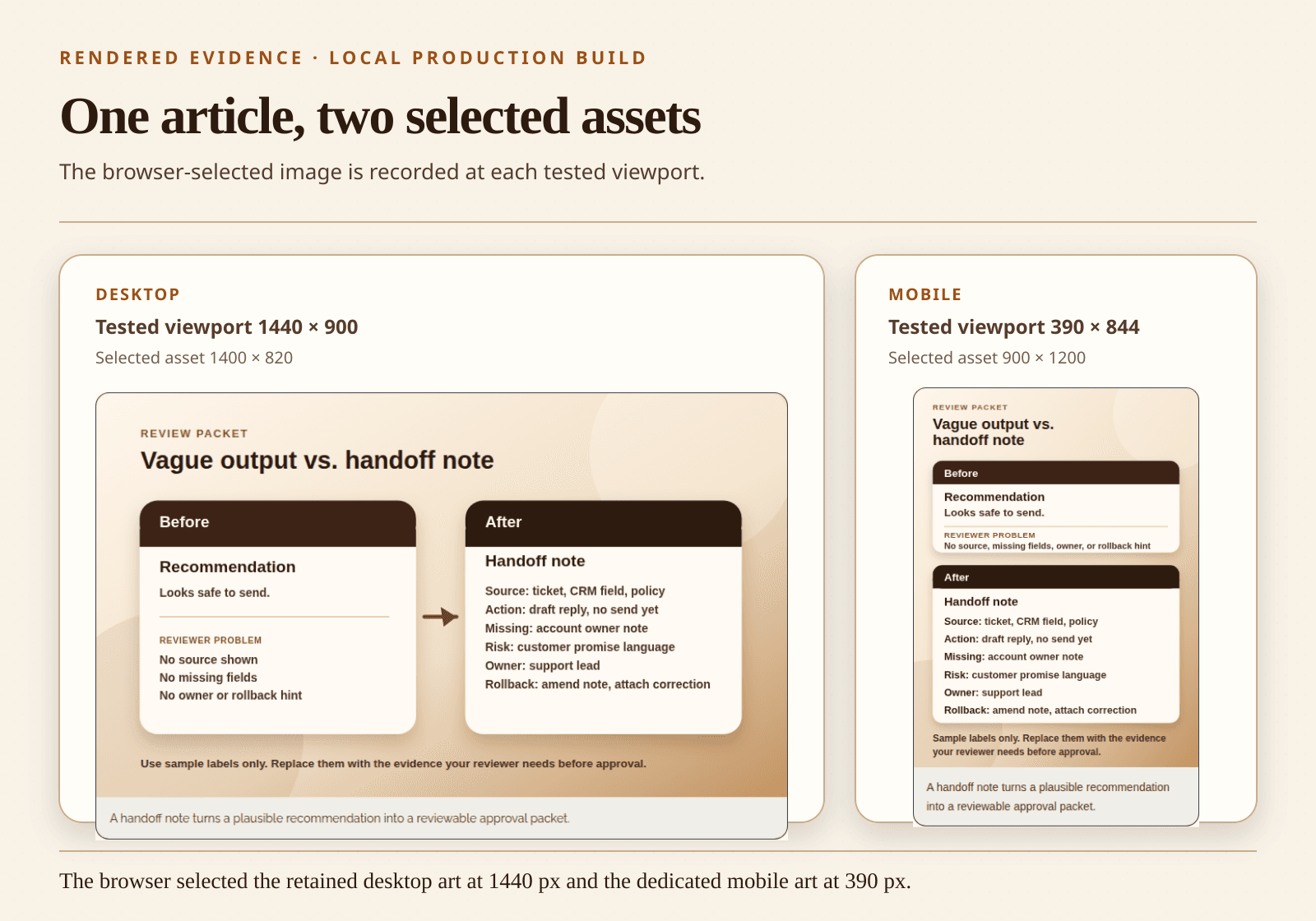
A practical way to verify a versioned website change across code, browser behavior, accessibility, metadata, links, and performance before approval.
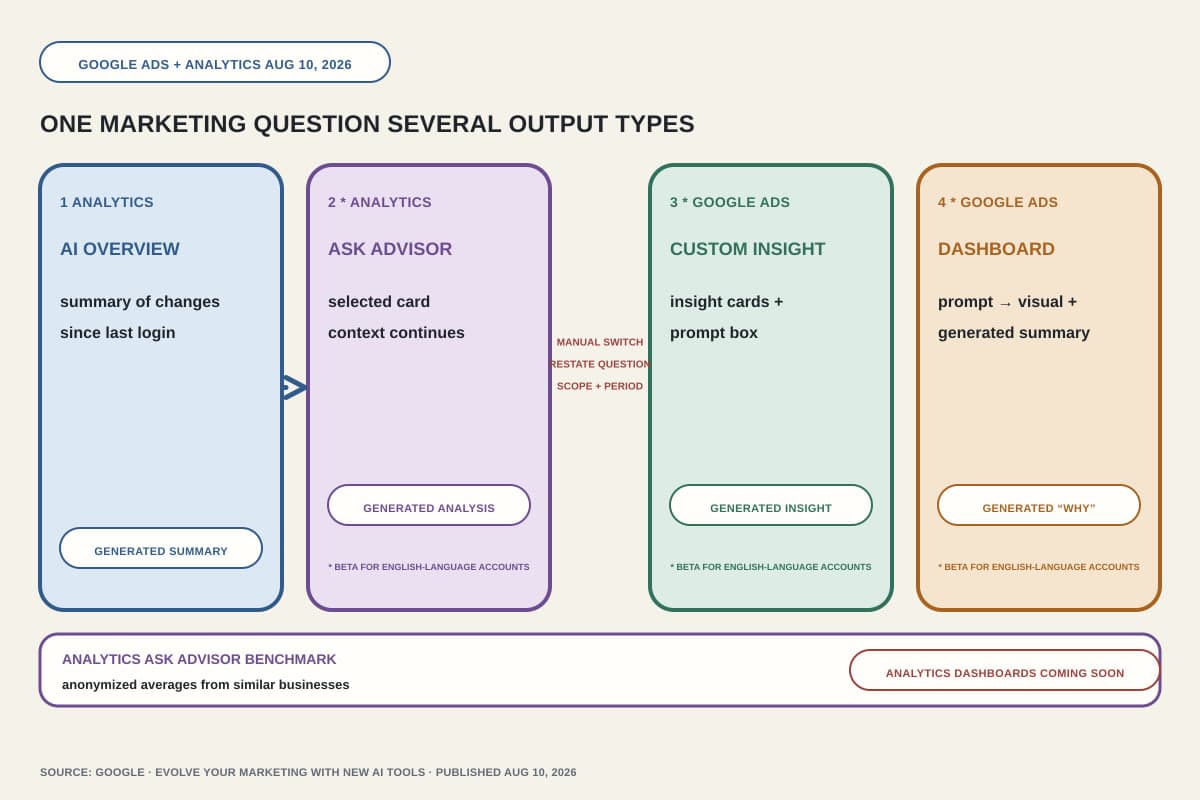
Google connected Analytics AI Overviews to Ask Advisor and announced custom Ads insights, Google Ads Dashboards, and Analytics peer benchmarks. Ask Advisor and the marked Ads features are in beta for English-language accounts.
Dive deeper into the subjects that matter to you

Implementation notes for building AI tools around real business data, handoffs, review queues, and safeguards.

Product notes, service updates, and BaristaLabs news that affect how small teams use AI at work.
AI market news translated into workflow decisions, risk boundaries, and practical next steps for small businesses.
Model concepts explained through thresholds, queues, and error costs that small teams can actually manage.

Plain-language guidance for owners and operators choosing one useful, reviewable AI workflow at a time.
Hands-on guides for approval policies, shadow weeks, agent receipts, and other AI workflow controls.