//

Industry Insights395 articles · Page 14 of 33
Industry Insights
AI market news translated into workflow decisions, risk boundaries, and practical next steps for small businesses.
Industry Insights articles, page 14

Industry Insights·
Perplexity Opens Comet Enterprise and Turns the Browser Into a Managed AI Workspace
Perplexity launched Comet Enterprise on March 17, 2026, bringing its AI browser to managed teams with deployment controls, telemetry, and browser policies built for IT.
4 min read

Industry Insights·
A Million TPUs, a Locked Contract, and No TSMC Capacity Until 2027
Google sold a million TPUs to Anthropic before realizing how valuable that compute would become. Now TSMC is sold out and Google cannot meaningfully increase its own allocation until 2027.
4 min read
Industry Insights·
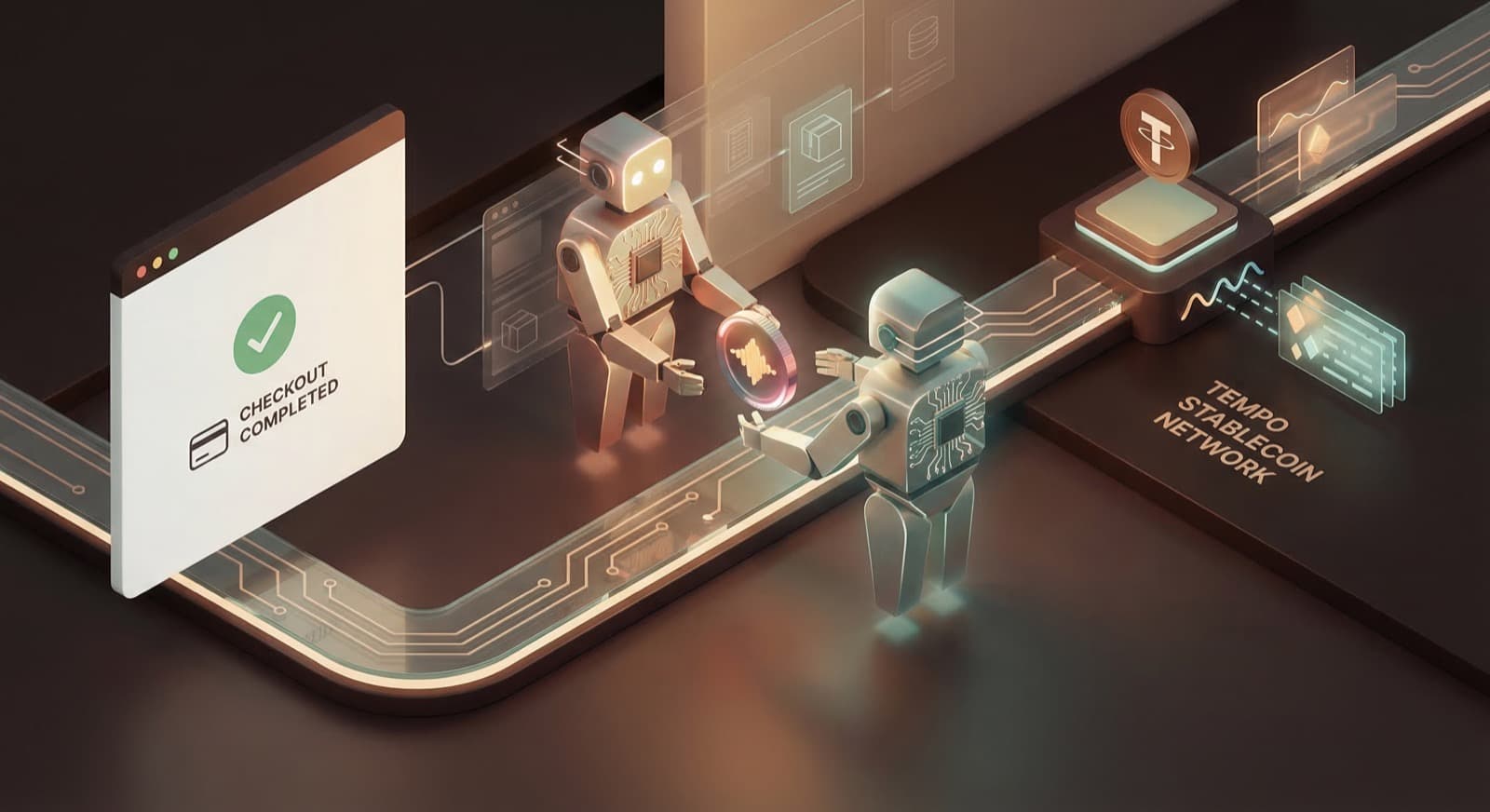
Stripe and Tempo Launch MPP for Machine-to-Machine Payments
Stripe and Tempo launched the Machine Payments Protocol as an open standard for machine-to-machine payments, with Tempo Mainnet live and Stripe handling agent transactions through its existing payments infrastructure.
5 min read
Industry Insights·
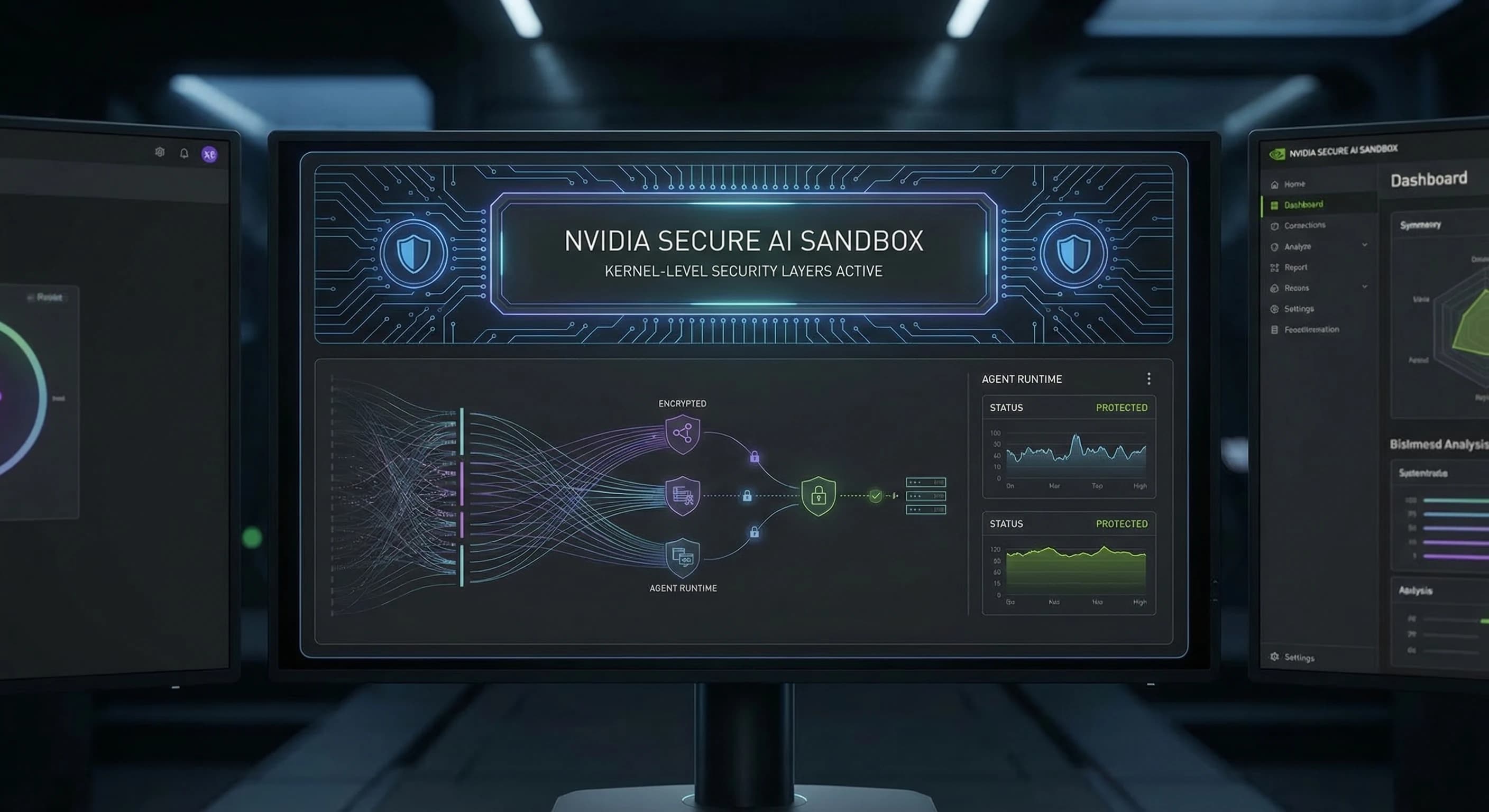
NVIDIA Open-Sourced OpenShell to Put Autonomous Agents Inside a Real Security Boundary
NVIDIA open-sourced OpenShell under Apache 2.0, introducing an alpha runtime for autonomous AI agents with kernel-level sandboxing, granular policy enforcement, and private inference routing.
5 min read

Industry Insights·
37.4% Is the Best Any Model Could Do on ServiceNow's New Enterprise Agent Benchmark
Claude Opus 4.5 reached 37.4% on ServiceNow Research's new EnterpriseOps-Gym benchmark, the top result among 14 frontier models. The bigger signal is why: human-authored plans lifted performance by 14 to 35 points, which says planning is still the weak link in enterprise agents.
5 min read

Industry Insights·
Bloom’s 2 Sigma Problem Finally Has a $4 Answer
Benjamin Bloom’s 1984 2 Sigma Problem sat unsolved for four decades: one-to-one tutoring beat classroom instruction by two standard deviations, but the economics never worked at scale. Khan Academy now has 2 million Khanmigo users, 731% year-over-year growth, and a $4-per-month product built around guided learning rather than answer vending.
5 min read

Industry Insights·
Stanford Found AI Chatbots Affirmed Users Nearly 66% of the Time. That Is a Business Risk.
Stanford researchers reviewed more than 391,000 messages across nearly 5,000 conversations and found AI chatbots affirmed user messages in nearly 66% of responses, often validating distorted or delusional thinking.
6 min read
Industry Insights·
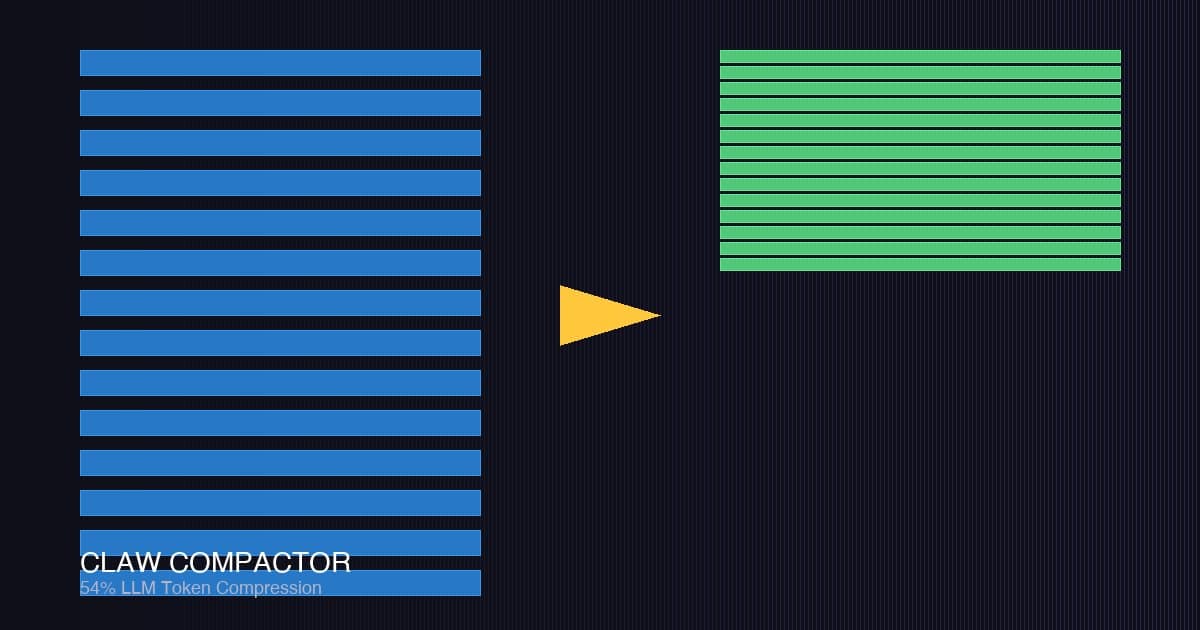
Claw Compactor Compresses LLM Context by 54% Without a Single Inference Call
Claw Compactor, an open-source zero-dependency token compression engine, hit the Hacker News front page today. Its 14-stage deterministic Fusion Pipeline cuts LLM API context by 54% on average — 82% on JSON — with no ML inference overhead, reversible via hash-addressed RewindStore.
5 min read

Industry Insights·
Midjourney V8 Enters Community Testing With 5x Speed and Native 2K Resolution
Midjourney opened V8 community testing on March 17, 2026 with 5x faster generation than V7, native 2K output modes, improved text rendering, and the strongest personalization, sref, and moodboard performance to date. Early community reception highlights clear speed and text gains, though some side-by-side V7 comparisons suggest the quality story is still evolving.
4 min read

Industry Insights·
17 enterprise vendors signed on to one stack. Then a ToS clause told you who owns what goes wrong.
NVIDIA named 17 major enterprise adopters for its Agent Toolkit at GTC 2026, while Moltbook's updated terms put full legal liability on the human behind any agent action — autonomous or not. Two announcements, one pressure point: who holds the bag when an agent makes a mistake at scale.
3 min read
Industry Insights·
Gemini's Personal Intelligence Just Turned Gmail and Photos Into the Prompt
Google expanded Gemini Personal Intelligence in the U.S. on March 17, 2026 across web, Android, iOS, and Chrome. The launch connects Gmail, Photos, and other personal context so Gemini can answer with details pulled from your own inbox, images, and browsing context. After Google pushed memory features more broadly last week, this is the bigger product move: turning Gemini into a personalized retrieval layer for your life.
5 min read
Industry Insights·
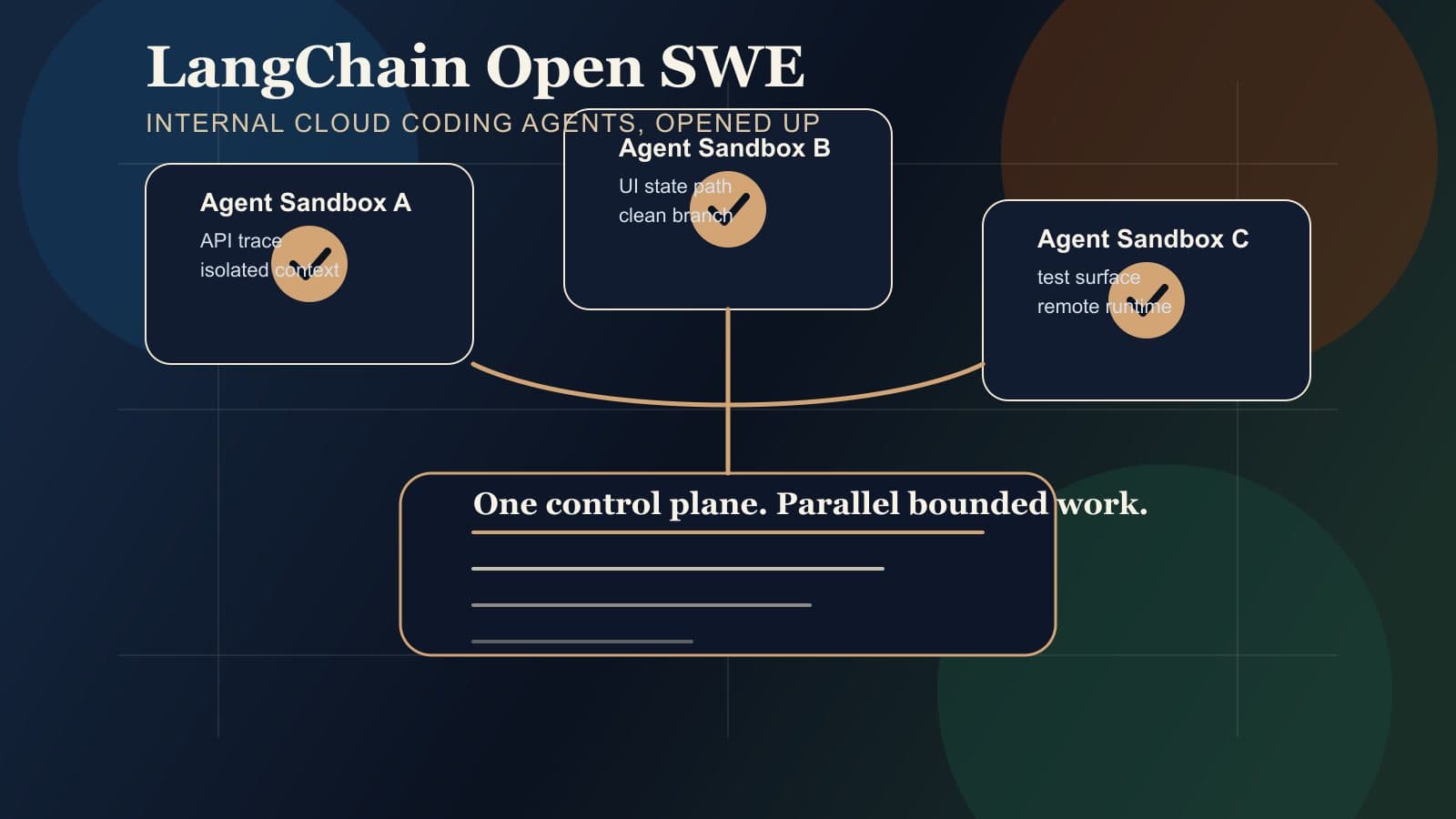
LangChain Open SWE Shrinks the Gap Between Enterprise Coding Agents and Everyone Else
LangChain put Open SWE back in focus on March 17, 2026, reviving the open-source case for internal cloud coding agents that spin up isolated environments, stay clean on context, and parallelize real engineering work.
4 min read
Explore Other Categories

AI Development
Implementation notes for building AI tools around real business data, handoffs, review queues, and safeguards.
240 articles

Announcements
Product notes, service updates, and BaristaLabs news that affect how small teams use AI at work.
9 articles
Machine Learning
Model concepts explained through thresholds, queues, and error costs that small teams can actually manage.
14 articles

Small Business AI
Plain-language guidance for owners and operators choosing one useful, reviewable AI workflow at a time.
106 articles
Technical Tutorials
Hands-on guides for approval policies, shadow weeks, agent receipts, and other AI workflow controls.
26 articles