//

Industry Insights393 articles · Page 12 of 33
Industry Insights
AI market news translated into workflow decisions, risk boundaries, and practical next steps for small businesses.
Industry Insights articles, page 12

Industry Insights·
Before agents act, write the envelope they must stay inside
A prompt is not an operating control. If an AI agent can call tools, see private data, send messages, update records, or approve work, the business needs a reviewable contract for what the agent may do.
7 min read

Industry Insights·
AWS AgentCore Gateway makes tool calls the new approval queue
Production agents need a gate between model intent and tool execution. AWS AgentCore Gateway interceptors point to the control layer businesses need before agents touch CRM records, tickets, data, customers, or money.
6 min read

Industry Insights·
AML alert triage shows the real shape of enterprise AI automation
AWS and Snowflake's AML triage walkthrough shows a practical AI automation pattern: assemble evidence, produce a structured brief, and keep regulated decisions with humans.
6 min read

Industry Insights·
Claude Opus 4.8 Makes Agent Honesty a Business Requirement
Claude Opus 4.8 is stronger, but the real business story is whether AI agents can admit uncertainty, catch mistakes, and preserve review points.
7 min read

Industry Insights·
OpenAI's new realtime voice models turn speech into a workflow interface
OpenAI's May 2026 realtime audio models make voice more useful for business workflows. Here is how to choose between live voice agents, live translation, and streaming transcription.
9 min read

Industry Insights·
SAP's Autonomous Enterprise shows where AI agents are heading next
SAP's Autonomous Enterprise announcement is less about a new brand phrase and more about where business AI is heading: governed, process-aware agents connected to data, permissions, and review points.
7 min read

Industry Insights·
AWS AgentCore Payments makes agent spending a governance problem
AWS AgentCore Payments puts payment execution, limits, observability, identity, and policy into agent runtime governance so teams can control spending.
6 min read

Industry Insights·
Microsoft Copilot Cowork makes reusable AI workflows the real product
Microsoft Copilot Cowork's May update points to a practical shift: reusable AI workflows inside Microsoft 365.
8 min read

Industry Insights·
Mistral Vibe remote agents make cloud coding agents feel normal
Mistral's April 2026 launch is less about another coding benchmark and more about a new engineering operating model: cloud agents working in parallel, producing pull requests, and requiring real controls.
7 min read

Industry Insights·
OpenAI workspace agents make the real AI question operational, not magical
OpenAI workspace agents shift the AI conversation from individual prompts to shared, governed workflows. The practical question now is what an agent can read, do, approve, and measure.
7 min read
Industry Insights·
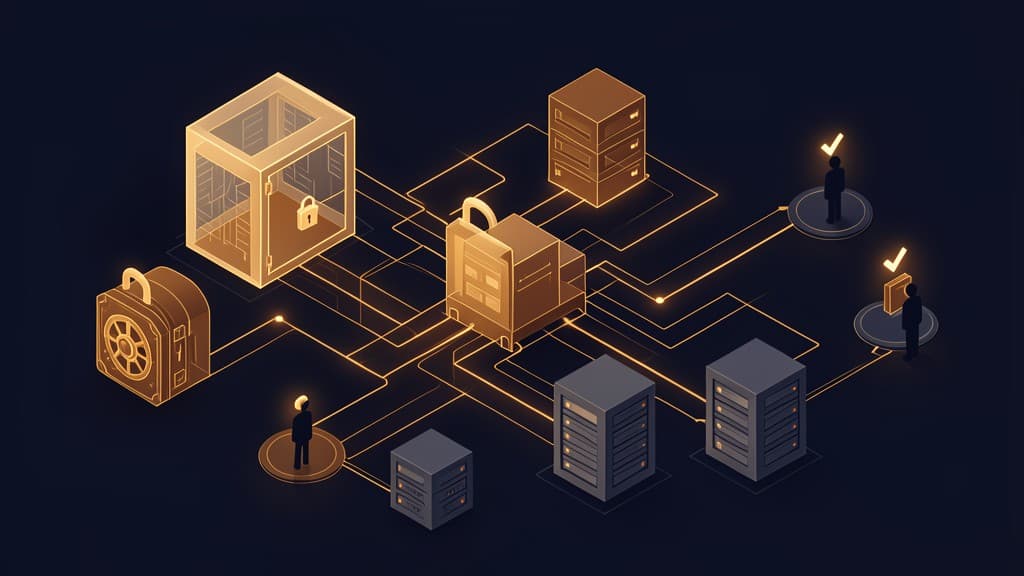
The Dell-Codex deal is really about where enterprise agents live
OpenAI and Dell's Codex partnership is less about a bigger coding tool and more about a practical enterprise question: where should AI agents run when they need private data, internal systems, governance, and audit trails?
6 min read

Industry Insights·
Qwen3.7-Max is the agent signal worth taking seriously
Alibaba's Qwen3.7-Max announcement is less interesting as a benchmark race and more interesting as a signal: frontier labs are now training models to stay useful across long, messy agent workflows. That changes how businesses should evaluate AI automation.
6 min read
Explore Other Categories

AI Development
Implementation notes for building AI tools around real business data, handoffs, review queues, and safeguards.
223 articles

Announcements
Product notes, service updates, and BaristaLabs news that affect how small teams use AI at work.
9 articles

Machine Learning
Model concepts explained through thresholds, queues, and error costs that small teams can actually manage.
14 articles

Small Business AI
Plain-language guidance for owners and operators choosing one useful, reviewable AI workflow at a time.
104 articles

Technical Tutorials
Hands-on guides for approval policies, shadow weeks, agent receipts, and other AI workflow controls.
26 articles