//
Industry Insights396 articles · Page 19 of 33
Industry Insights
AI market news translated into workflow decisions, risk boundaries, and practical next steps for small businesses.
Industry Insights articles, page 19

Industry Insights·
The US Invented Modern AI. It Ranks 20th in Using It.
A new a16z analysis shows the US ranks just 20th globally in AI adoption per capita. For American small and midsize businesses, that is not trivia. It is a warning that adoption speed is becoming a real competitive edge.
4 min read

Industry Insights·
Inside tonight’s AI news: autonomy is getting boxed in on purpose
OpenAI’s new agent runtime, Rakuten’s 50% MTTR gain with Codex, Google’s Wiz close, and a $500 million robotics raise all pointed at the same shift: practical AI is being wrapped in tighter operating constraints.
5 min read

Industry Insights·
Replit’s $9B Valuation Is a Market Signal Small Businesses Should Take Seriously
Replit reaching a $9 billion valuation while landing 85% of the Fortune 500 is not just a company milestone. It is a market signal that AI app builders are becoming serious operating infrastructure for businesses of every size.
5 min read

Industry Insights·
NVIDIA Is Betting $26 Billion That Open Source AI Wins. Here's What That Means for Your Business.
NVIDIA just committed $26 billion over five years to building world-class open-source AI models. For SMBs weighing vendor lock-in against self-hosted alternatives, the calculus is shifting, but the fine print matters.
5 min read
Industry Insights·
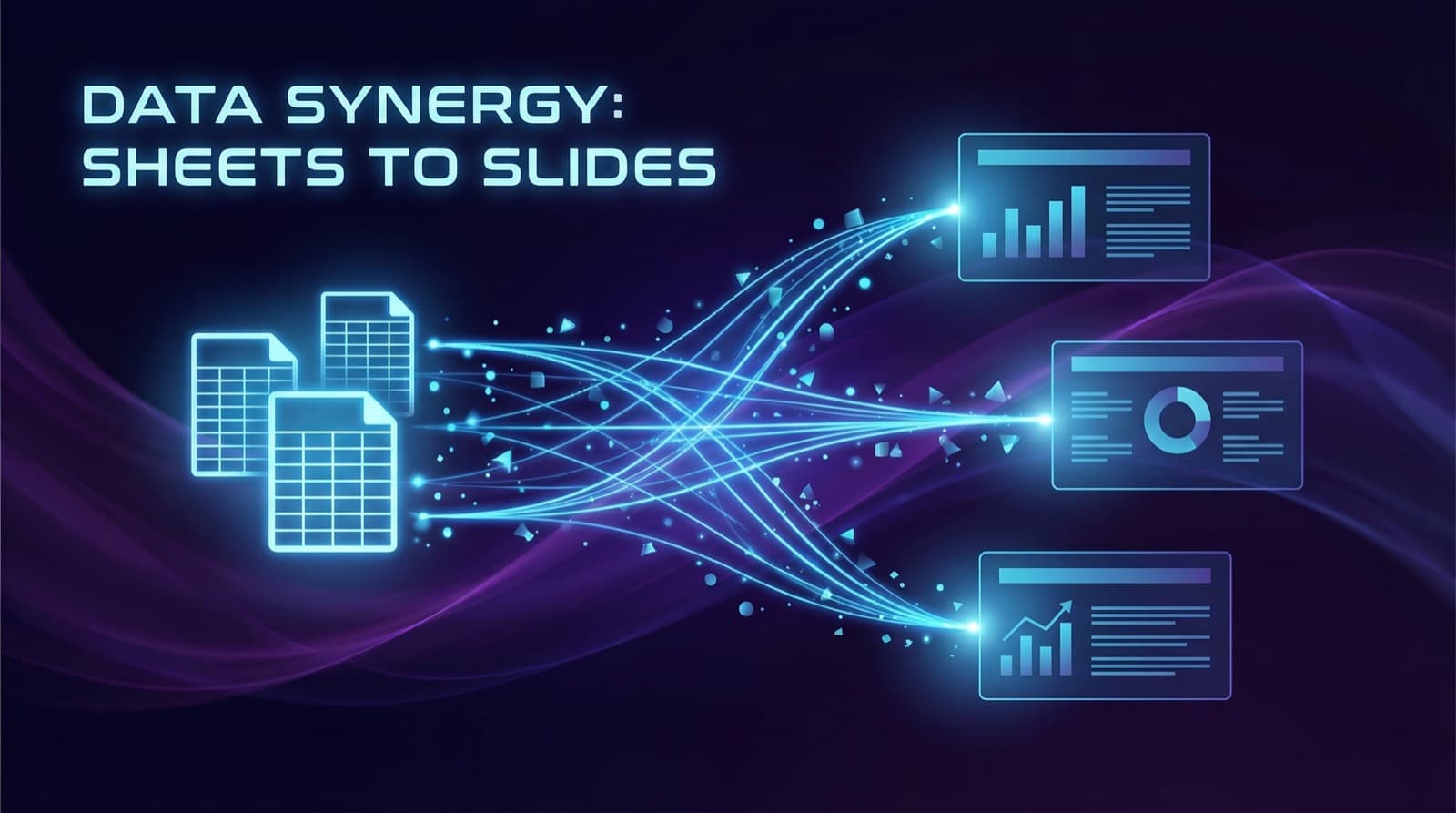
Claude's Excel and PowerPoint sync points to a bigger shift in office work
Anthropic's new Claude feature shares conversation context across Excel and PowerPoint at the same time. For small businesses, that could cut a lot of copy-paste work out of reporting, planning, and client presentations.
5 min read
Industry Insights·
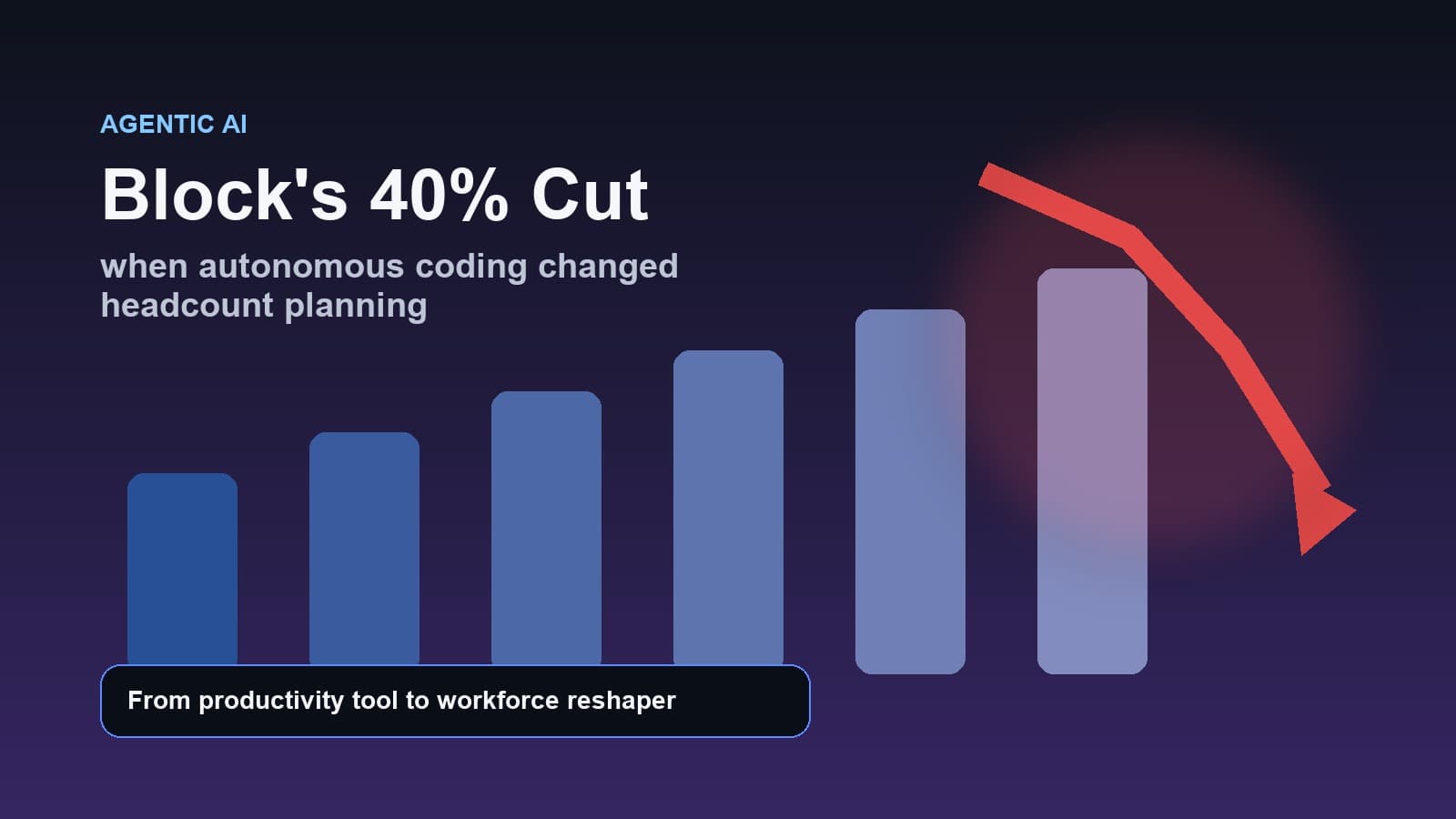
Block’s 40% Cut Is the Clearest Sign Yet That Agentic AI Just Changed the Labor Math
Block’s reported decision to cut nearly 40% of its workforce after autonomous coding systems started shipping production-ready code is more than a big-tech layoff story. For SMB owners, it marks the moment agentic AI stopped being a productivity boost and started reshaping staffing decisions.
5 min read

Industry Insights·
Databricks Just Shipped an Autonomous Data Agent. Small Teams Should Pay Attention.
Databricks Genie Code is more than another chat assistant for notebooks. It is an autonomous agent for data teams that can build pipelines, debug failures, ship dashboards, and monitor production systems. For SMBs already on Databricks, that changes the staffing math.
5 min read

Industry Insights·
Read-Only, Not Autonomous, Is the Story Behind Ford Pro AI
Ford Pro AI launches inside Ford Pro Telematics with access to more than 1 billion daily vehicle data points, but the biggest detail is what it does not do yet: take action. That makes it useful now and strategically limited later.
5 min read

Industry Insights·
Proof gives small teams a better place to work with AI agents
Proof, launched by Every, is a free and open-source document editor built for humans and AI agents to work in the same doc. For small businesses, it fixes a real workflow problem: where collaborative AI writing should actually live.
5 min read

Industry Insights·
The Context Window Trap: New 172-Billion-Token Study Reveals How AI Hallucinations Triple as Context Grows
The biggest document Q&A hallucination study to date found a hard truth for SMBs: bigger context windows do not make your AI safer. In many cases, they make fabrication much worse.
6 min read

Industry Insights·
7% of Nemotron 3 Super’s Parameters Went Silent During Training. That’s the Detail to Test First.
NVIDIA’s Nemotron 3 Super looks fast for long-context agent workloads, but the most useful detail in the technical report is a training artifact: 7% of parameters hit zero-valued weight gradients under NVFP4. That changes how careful buyers should be when evaluating it.
5 min read
Industry Insights·
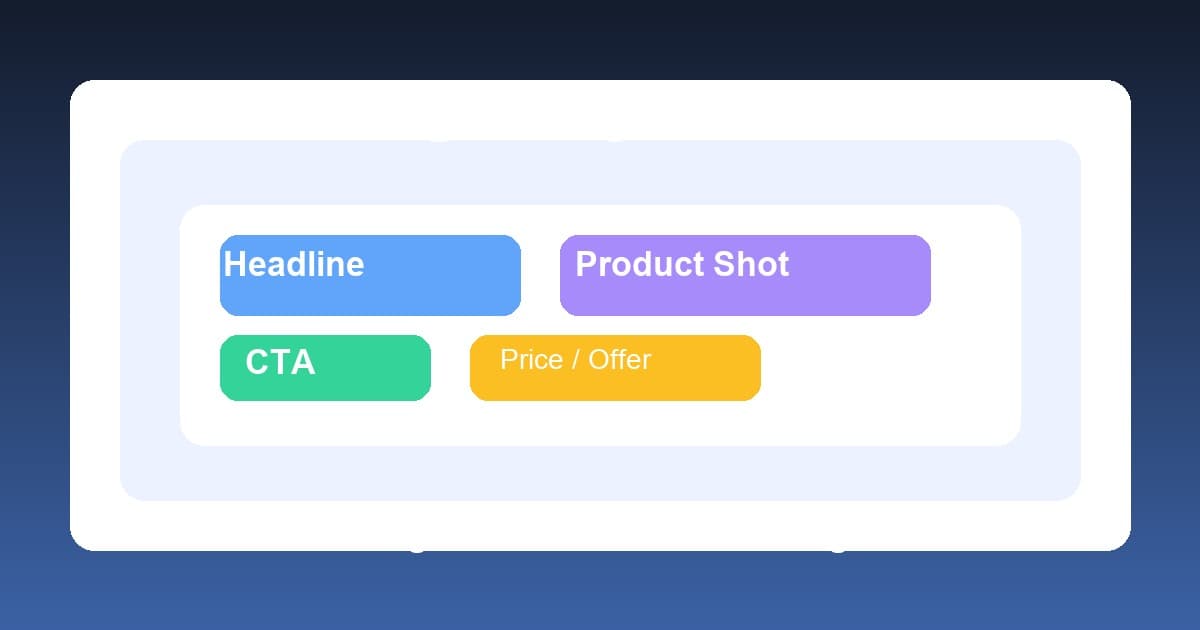
Canva Magic Layers Could Save Small Businesses Hours of Design Rework
Canva's Magic Layers converts flat images into editable Canva designs by separating text, objects, and backgrounds into layers. For small businesses, that means less time rebuilding old assets and faster campaign updates.
5 min read
Explore Other Categories

AI Development
Implementation notes for building AI tools around real business data, handoffs, review queues, and safeguards.
242 articles

Announcements
Product notes, service updates, and BaristaLabs news that affect how small teams use AI at work.
9 articles
Machine Learning
Model concepts explained through thresholds, queues, and error costs that small teams can actually manage.
14 articles

Small Business AI
Plain-language guidance for owners and operators choosing one useful, reviewable AI workflow at a time.
106 articles

Technical Tutorials
Hands-on guides for approval policies, shadow weeks, agent receipts, and other AI workflow controls.
26 articles