//

AI Development220 articles · Page 2 of 19
AI Development
Implementation notes for building AI tools around real business data, handoffs, review queues, and safeguards.
AI Development articles, page 2
 Constructed diagram
AI Development·
GitHub now shows where human pull-request reviews wait
GitHub's repository-level Copilot metrics now split human pull-request review time into three stages. The distribution can help teams find a queue without mistaking it for an AI productivity score.
4 min read
 Constructed diagram
AI Development·
Copilot CLI now indexes whole C++ codebases
GitHub Copilot CLI now reuses a persistent C++ symbol index. The first scan costs time and memory, but subsequent navigation can use information from files that are not open.
4 min read
 Constructed diagram
AI Development·
GitHub Copilot's local sandbox needs to be turned on
The Copilot app can now restrict local agent commands by project. Its sandbox starts off, and its default policy still permits network and credential access.
5 min read
 Constructed diagram
AI Development·
GPT-6 prompt caching makes stable agent context worth measuring
OpenAI added a caching dashboard, miss diagnostics, and explicit breakpoints for GPT-6. Here is how to test whether a long-running agent actually reuses its input.
5 min read
AI Development·
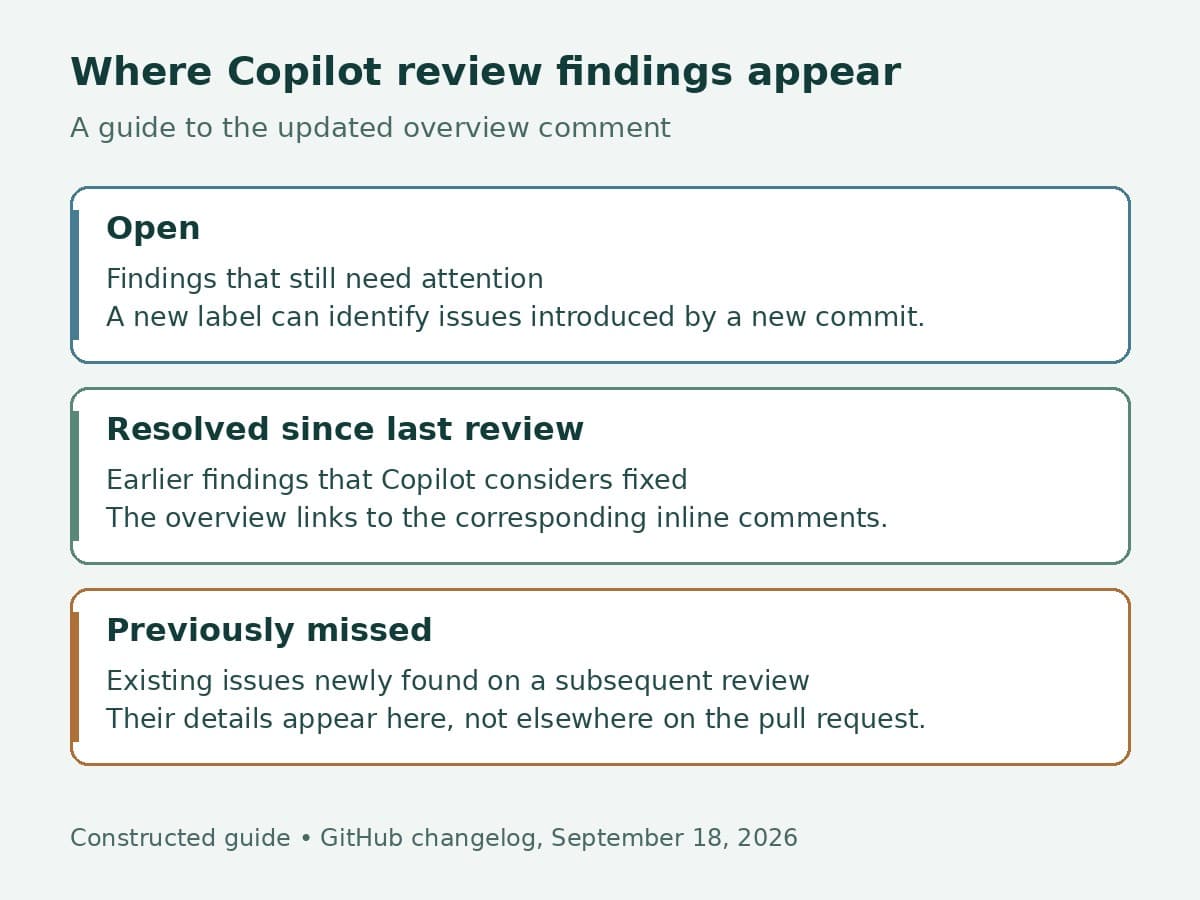
Copilot’s new review overview includes findings you won’t see inline
GitHub’s review update separates newly introduced issues from newly discovered ones. Teams that read only inline comments can miss part of the review.
4 min read
AI Development·
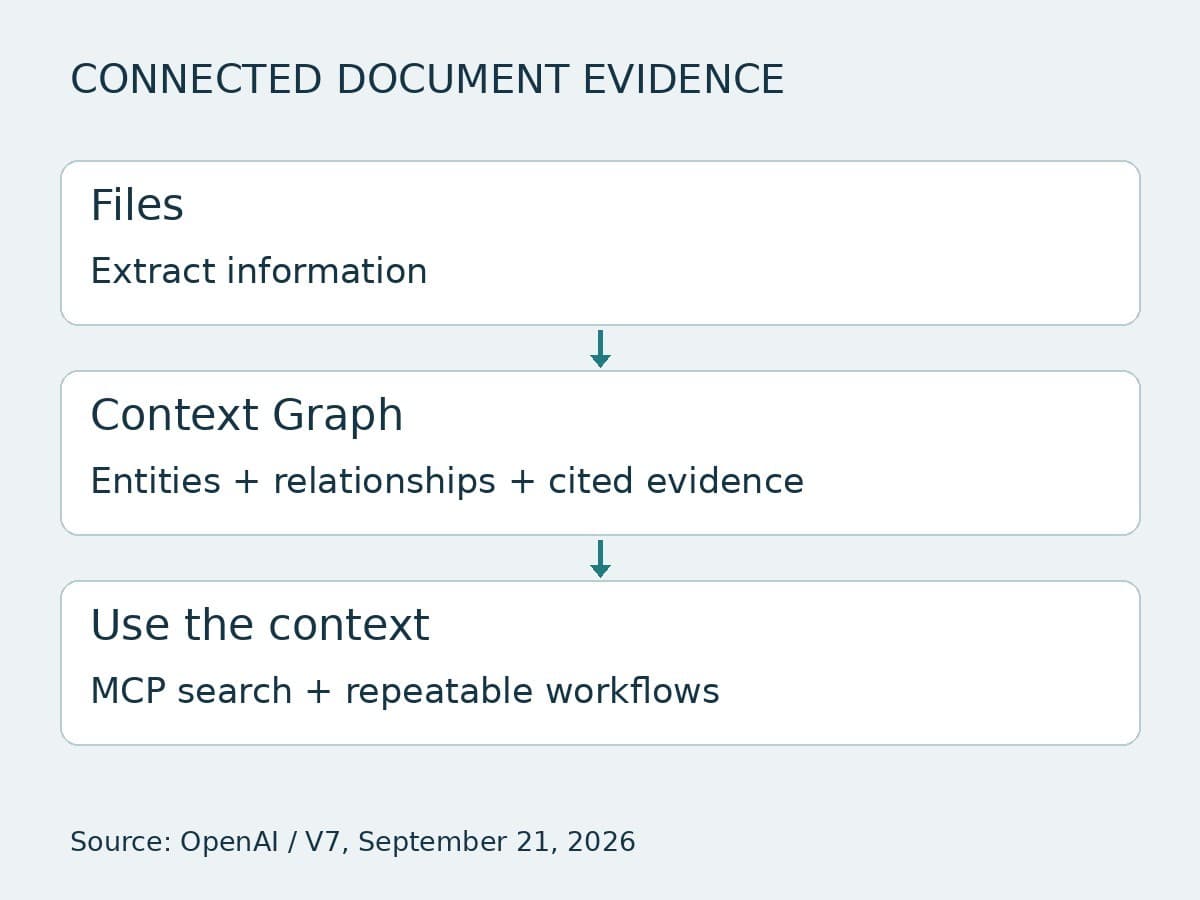
V7’s Context Graph connects the evidence across company files
V7’s document graph shows why useful AI context depends on relationships between records, not just the number of files an agent can search.
5 min read
AI Development·
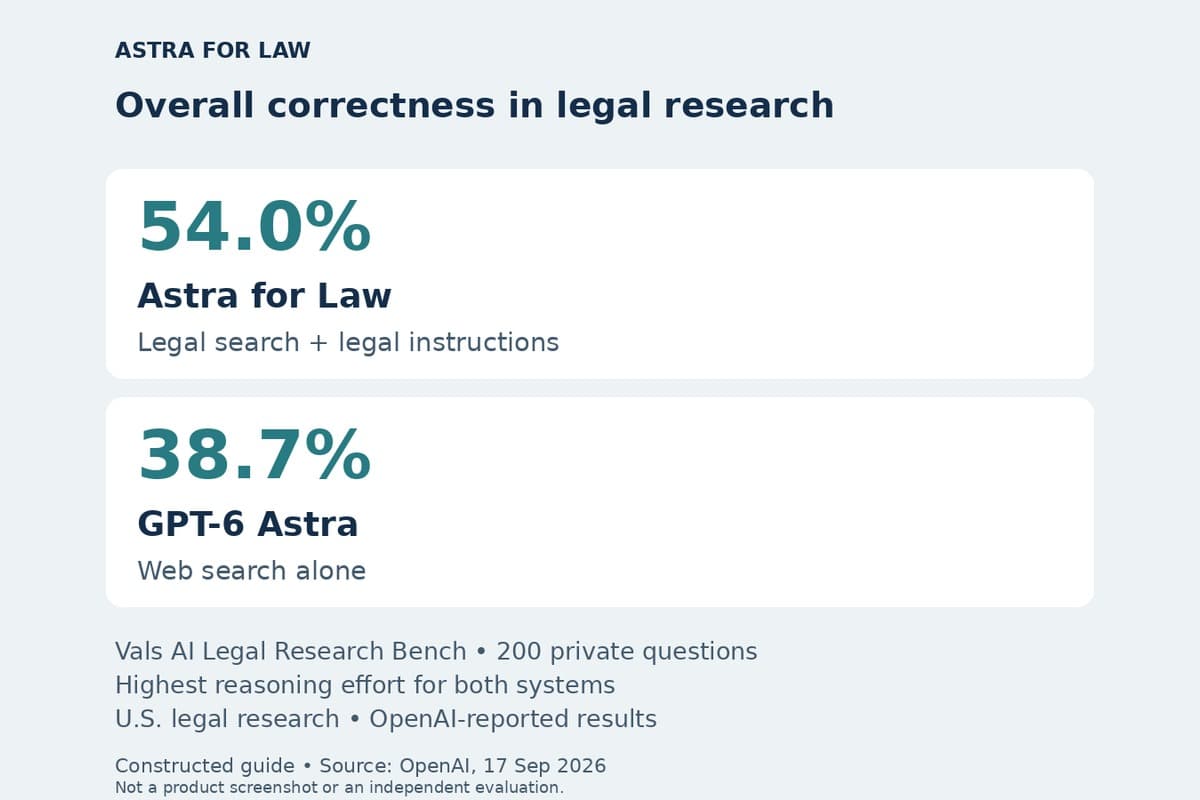
Astra for Law: assess the answers, not the corpus size
Astra for Law combines GPT-6 Astra with legal search and instructions. Its benchmark results and source-coverage figures answer different buying questions.
5 min read
AI Development·
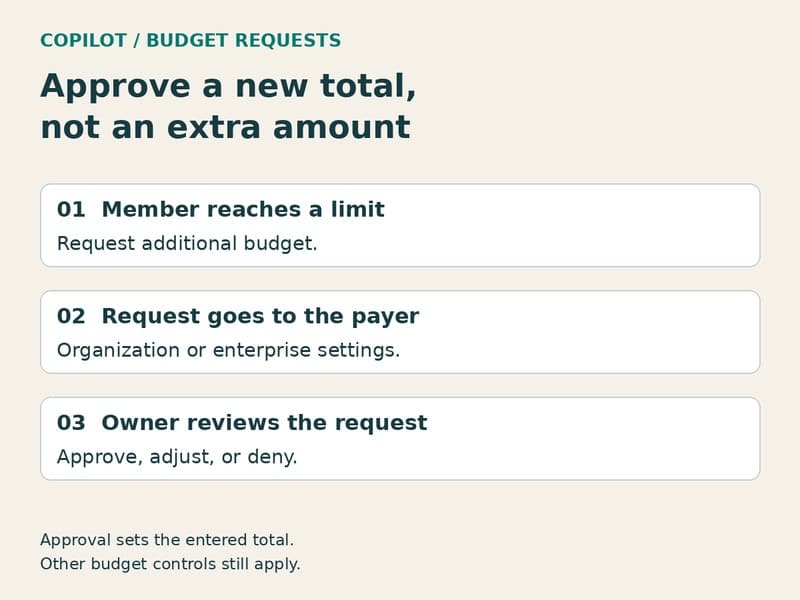
GitHub Copilot budget requests: approve the right total
A Copilot budget approval sets a new member total. Route the request to the paying account and check the other limits before assuming work can resume.
5 min read
AI Development·
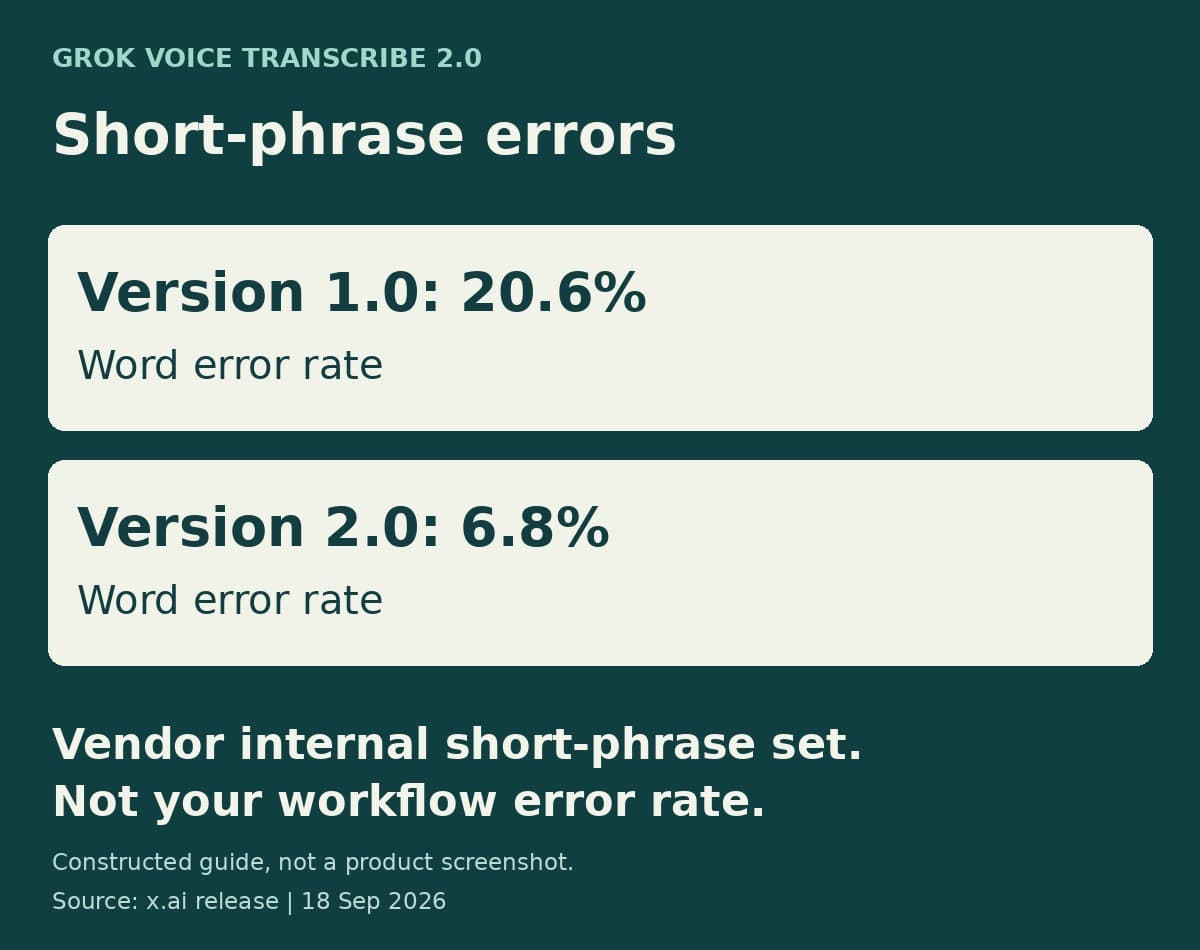
Grok Voice Transcribe 2.0: check the spoken details
Better transcription is useful, but a workflow may depend on one email address, code, or amount. Evaluate those details separately from overall word error rate.
6 min read
AI Development·
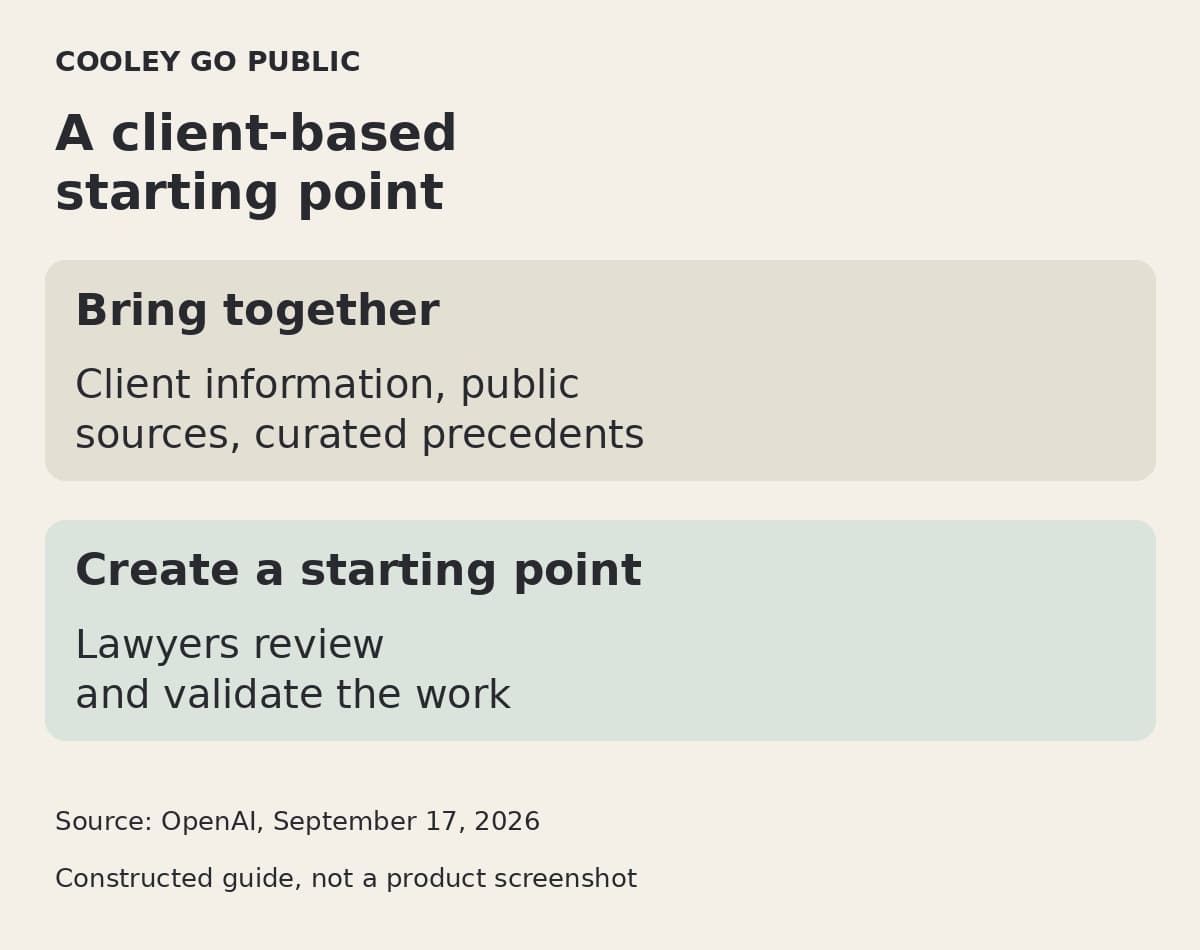
Cooley GO Public: start AI drafts with the client, not the template
Cooley describes an AI-assisted IPO workflow built around client information, public sources, and curated precedents. The useful lesson is how teams choose a draft’s starting point.
5 min read
AI Development·
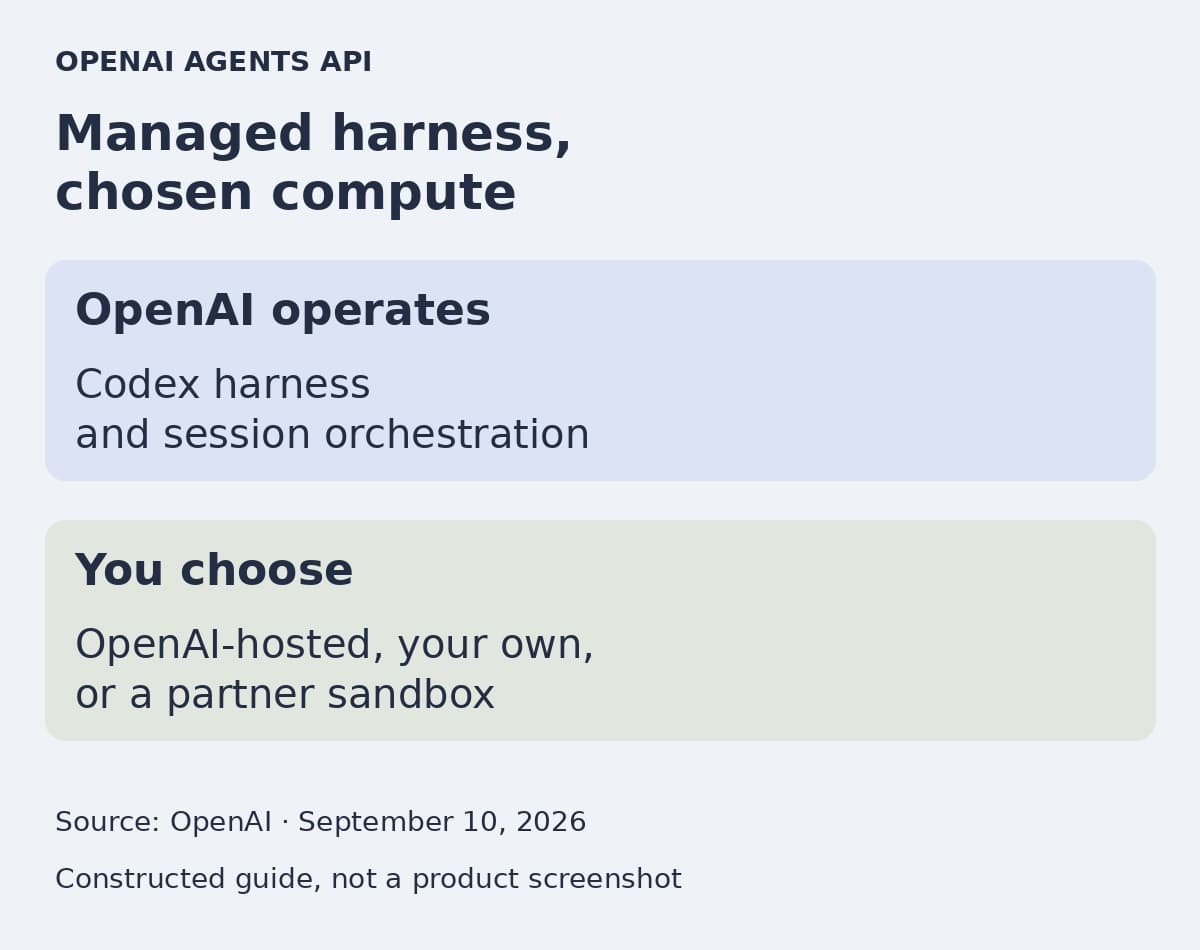
OpenAI Agents API: managed harness, your choice of sandbox
OpenAI now operates the Codex harness through an API. Developers can choose the execution environment, but self-hosted compute does not remove managed-session data limits.
5 min read
AI Development·
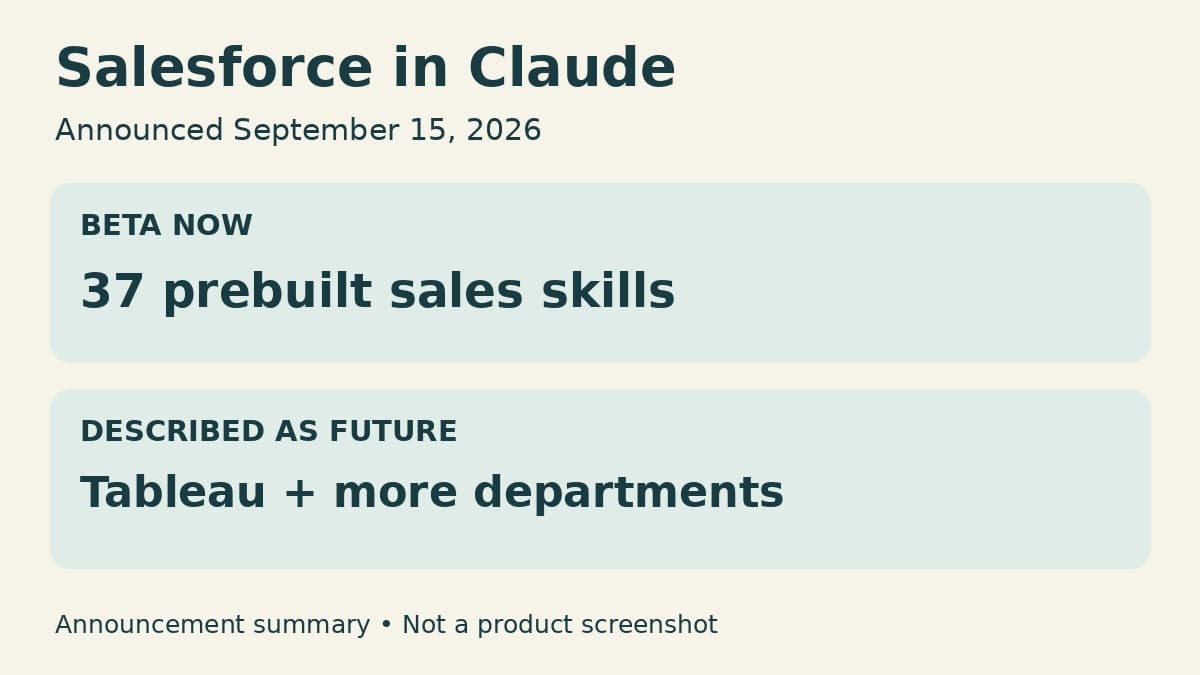
Salesforce in Claude: what to test in the sales beta
Salesforce brings CRM context and actions into Claude. Start with a supported sales task, check the answer against records, then evaluate updates separately.
6 min read
Explore Other Categories

Announcements
Product notes, service updates, and BaristaLabs news that affect how small teams use AI at work.
9 articles

Industry Insights
AI market news translated into workflow decisions, risk boundaries, and practical next steps for small businesses.
393 articles

Machine Learning
Model concepts explained through thresholds, queues, and error costs that small teams can actually manage.
14 articles

Small Business AI
Plain-language guidance for owners and operators choosing one useful, reviewable AI workflow at a time.
104 articles

Technical Tutorials
Hands-on guides for approval policies, shadow weeks, agent receipts, and other AI workflow controls.
26 articles