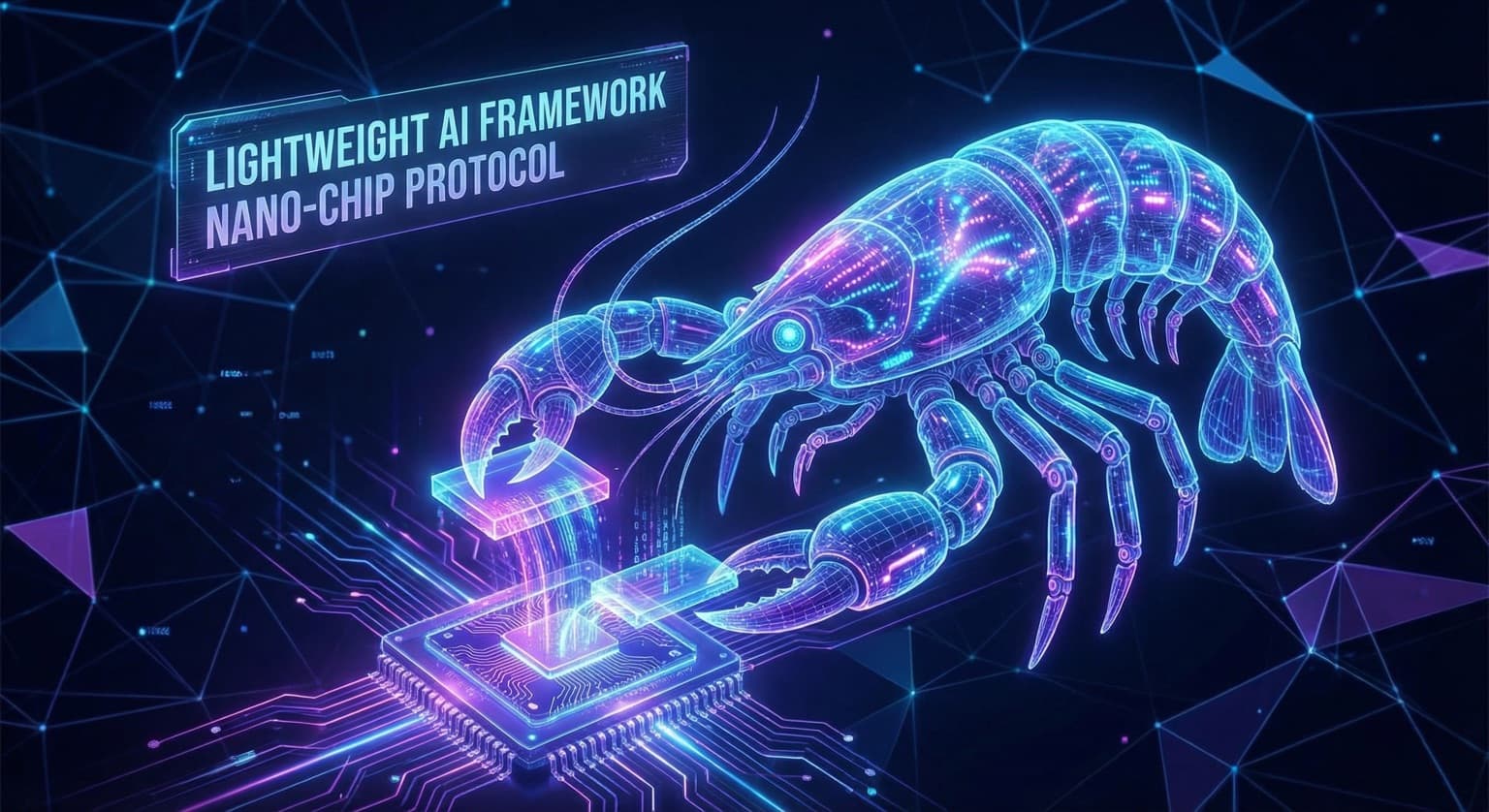

In the world of AI agents, bigger isn't always better. While massive models and complex frameworks dominate headlines, a new contender has emerged from the open-source community, proving that efficiency and accessibility are just as powerful.
Meet PicoClaw, the ultra-lightweight AI agent framework written in Go that's taking GitHub by storm. Just launched last week, the project has already amassed over 12,000 stars as of today, February 16, 2026, capturing the attention of developers worldwide who are tired of heavy, resource-intensive tools.
What is PicoClaw?
PicoClaw is designed with a single philosophy: AI agents should run anywhere.
Unlike traditional frameworks that require powerful GPUs or heavy cloud infrastructure, PicoClaw runs on hardware as cheap as $10. Whether it's a RISC-V board, an ARM-based Raspberry Pi, or even an old x86 laptop, PicoClaw brings autonomous capabilities to the edge.
Key Features at a Glance:
- Ultra-Lightweight: Consumes <10MB of RAM. That's 99% smaller than many competitors like OpenClaw.
- Blazing Fast: Boots in under 1 second, even on a single-core 0.6GHz processor.
- Cost-Effective: Runs on $10 Linux boards, making it 98% cheaper than a Mac mini setup.
- Go-Native: Built entirely in Go for performance and portability.
- Agent-Generated Core: Interestingly, 95% of the codebase was written by AI agents themselves, with human oversight.
Why the Sudden Viral Success?
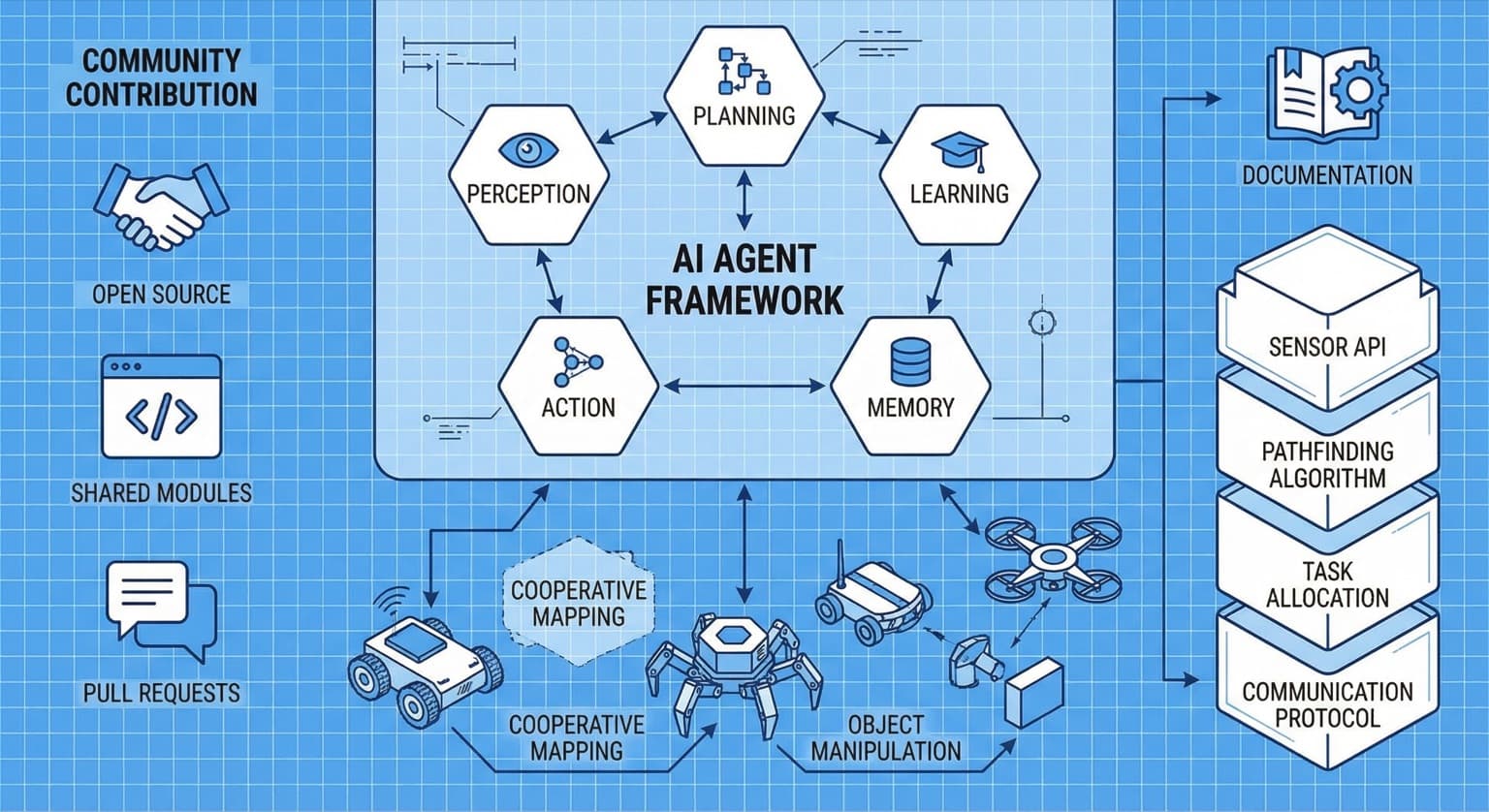
The timing for PicoClaw couldn't be better. As developers look for ways to deploy Agentic AI in real-world scenarios—smart homes, industrial monitoring, and automated server maintenance—the need for efficiency has skyrocketed.
Traditional Python-based agent frameworks often struggle with memory constraints on edge devices. PicoClaw solves this by leveraging Go's efficiency and a minimalist architecture.
"It's not just about running a model; it's about running an agent that can do things," says the project's README. PicoClaw supports standard assistant workflows like coding, logging, and web search, but does so with a fraction of the resources.
Under the Hood
PicoClaw's architecture is a lesson in optimization. By stripping away the bloat often associated with modern AI stacks, it focuses on the essentials:
- Efficient Runtime: The single self-contained binary means "One-click to Go!" across platforms.
- Flexible Integration: It supports major chat platforms like Discord, Telegram, DingTalk, and LINE out of the box.
- Docker Ready: For those who prefer containers, PicoClaw can be spun up instantly via Docker Compose.

Get Involved
The project is moving fast. Today, the maintainers released a call for community support, citing the overwhelming volume of pull requests and issues.
If you're a Go developer or an AI enthusiast looking to contribute to a high-impact open-source project, now is the time to jump in. Check out the PicoClaw repository on GitHub and see how you can help build the future of lightweight AI agents.
Whether you're building a smart camera on a MaixCAM or just want a personal assistant that doesn't eat up all your RAM, PicoClaw is worth a look.
Ready to try it out? Grab a $10 board and start building your own agent today.
AI Pilot Readiness Checklist
Turn the idea into a pilot you can defend.
AI agent articles are easy to bookmark and hard to operationalize. Use the readiness questions as a shared way to decide whether a workflow is specific enough, safe enough, and measurable enough to pilot. If they surface a strong candidate, BaristaLabs can review it with you and help shape a first version that fits your systems, approval process, and risk tolerance.
Please do not submit PHI, customer records, credentials, or confidential workflow exports.
Practical AI Workflow Notes
Want more practical AI operations ideas?
Get short notes on applying AI inside real small-business workflows — from document handling and customer follow-up to internal reporting, compliance, and automation guardrails.