//

Industry Insights393 articles · Page 9 of 33
Industry Insights
AI market news translated into workflow decisions, risk boundaries, and practical next steps for small businesses.
Industry Insights articles, page 9

Industry Insights·
The AI removal invoice comes due when automation is overbuilt
When a client pays to rip the AI back out of a tool, the bill they hand you is also the requirements document the project never had. Here is a one-page artifact for auditing a workflow before you spend more on it.
8 min read

Industry Insights·
Run the AI identity revoke drill before your agents spread
Confidence in AI security tracked deployment speed, not protection. Before agents touch more systems, run a drill that proves you can find, scope, and cut off one identity during an incident.
9 min read

Industry Insights·
When the Fable window closes, your AI workflow needs a way home
Anthropic suspended Fable 5 three days after launch. The lesson for operators is not just model quality; it is model availability.
7 min read

Industry Insights·
Before your AI agent writes code, give it a scope ladder
Ponytail's lazy-senior-dev rules point to a practical control for agent pilots: write down where the agent should stop before it starts building.
8 min read

Industry Insights·
When AI drama hits a critical dependency, open an exception lane
The rsync issue that turned into an AI-coding argument is not a verdict on rsync or on AI-written code. It is a warning about how quickly public controversy can become a bad incident process unless downstream teams have a dependency exception lane.
8 min read

Industry Insights·
Before an AI agent joins the board, write the work contract
A shared board is not enough. If AI agents can pick up real work, the ticket has to say what they may touch, what proof they owe, and when a human must step in.
6 min read

Industry Insights·
Put the agent firewall in observe mode before it blocks real work
AI agents that touch production need an external control point. The first rollout artifact is not a big governance policy. It is an observe-to-enforce plan.
8 min read

Industry Insights·
AI agent handoffs need a session manifest
Before teams clone, resume, or switch AI agent sessions between models, they need a compact manifest that says what travels with the work.
6 min read

Industry Insights·
Coding agents need dependency no-fly lists
When dependencies, test tools, and upstream repositories write rules for AI coding agents, teams need a visible no-fly list before agents change code.
8 min read

Industry Insights·
AI agents need a simulation harness before real-world work
Elodin's AI Grand Prix simulator shows what serious autonomy testing looks like: constrained worlds, real timing, telemetry, replay, and safe failure before production access.
8 min read

Industry Insights·
Your AI agent needs a spend circuit breaker
Security reviews and approval policies are necessary, but autonomous agents also need a separate spend circuit breaker before they touch metered systems.
7 min read

Industry Insights·
Healthcare AI needs answer routing before it answers
When people ask AI health questions, the first control is not a better answer. It is a routing label that decides whether the system may explain, draft, defer, or hand the question to a qualified person.
7 min read
Explore Other Categories

AI Development
Implementation notes for building AI tools around real business data, handoffs, review queues, and safeguards.
223 articles

Announcements
Product notes, service updates, and BaristaLabs news that affect how small teams use AI at work.
9 articles
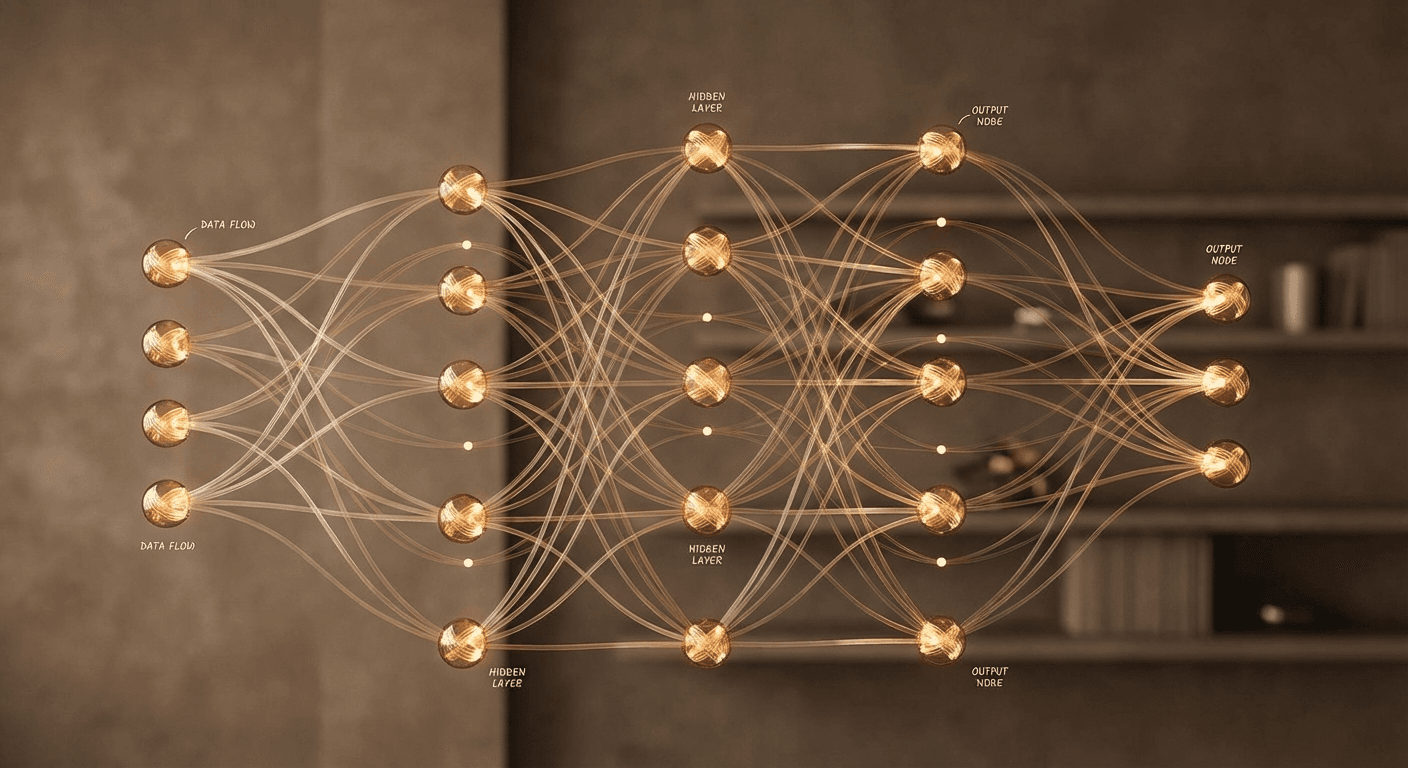
Machine Learning
Model concepts explained through thresholds, queues, and error costs that small teams can actually manage.
14 articles

Small Business AI
Plain-language guidance for owners and operators choosing one useful, reviewable AI workflow at a time.
104 articles

Technical Tutorials
Hands-on guides for approval policies, shadow weeks, agent receipts, and other AI workflow controls.
26 articles