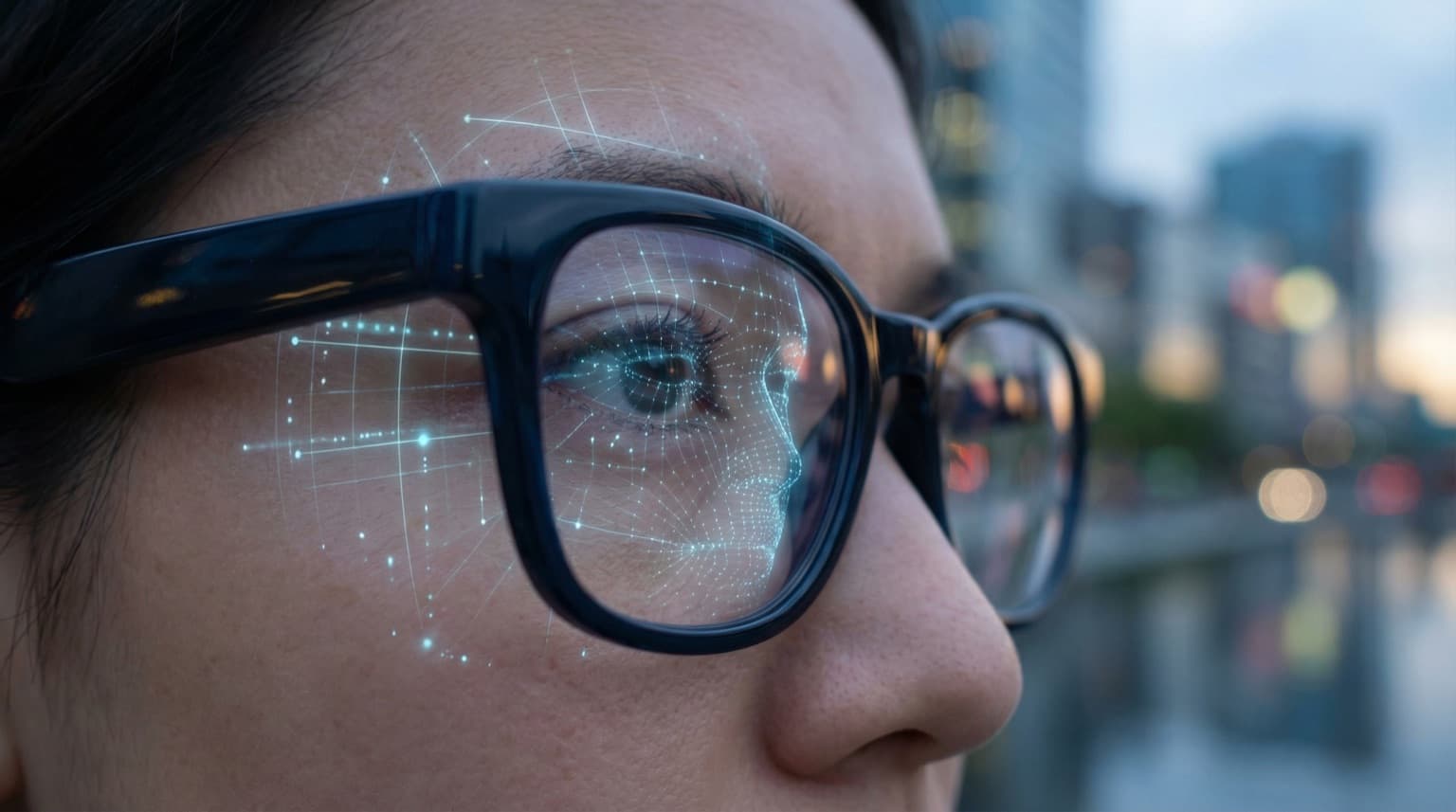

The line between digital convenience and physical privacy is about to get much blurrier. According to new reports from The New York Times and TechCrunch, Meta is actively exploring the addition of facial recognition technology to its popular Ray-Ban Meta smart glasses.
While the feature isn't officially confirmed for release, the reports suggest it could arrive as soon as this year. For small businesses and consumers alike, this represents a significant shift in how we interact in public spaces. The era of relative anonymity in a crowd might be coming to an end, replaced by a world where your name, social profile, and potentially your purchase history are visible to anyone wearing the right eyewear.
The Ghost of Google Glass
It's been over a decade since Google Glass failed spectacularly, largely due to privacy concerns. The "Glasshole" stigma—people recording others without consent—effectively killed the product for consumers. But times have changed.
Meta's Ray-Ban glasses are stylish, indistinguishable from regular sunglasses, and have already sold millions of units. People are comfortable recording short videos for Instagram. The addition of facial recognition is the logical, albeit controversial, next step. Unlike Google Glass, which looked like a cyborg accessory, these glasses look cool. And that makes the privacy implications even harder to spot.
How It Could Work
If implemented, the technology would likely allow users to scan faces in real-time. Imagine walking into a networking event and seeing names and LinkedIn profiles floating above people's heads. Or a barista recognizing a regular customer instantly—not because they remember them, but because their glasses pulled up a profile.
Meta has hinted at this capability before, suggesting it could be used to identify friends or famous people who have "opted in." But history tells us that "opt-in" features often have a way of becoming "opt-out" or socially mandatory over time.
Privacy Implications for Small Businesses
For small business owners, this technology introduces complex challenges.
1. Customer Consent and Comfort
If your staff wears smart glasses to assist customers, are you violating the privacy of those customers? Conversely, if customers wear them in your store, are they scanning your employees? You may need to establish clear policies about wearable tech in your establishment.
2. Data Security Risks
Facial recognition data is biometric data—it's immutable. You can change your password, but you can't change your face. If this data is stored or transmitted insecurely, it poses a massive risk. Small businesses collecting or processing this data (even inadvertently via third-party tools) could become targets for cyberattacks.
3. The "Creep Factor"
While some customers might appreciate personalized service ("Welcome back, Sean!"), others might find it invasive. Finding the balance between high-tech hospitality and stalking is delicate.

The Convenience Argument
Despite the risks, the convenience argument is strong. We've already accepted facial recognition to unlock our phones and tag friends in photos. Extending this to the physical world is the path of least resistance for many tech enthusiasts.
For businesses, the potential for seamless payments (pay with your face?) and loyalty program integration is tempting. But it comes at the cost of trust if not handled with extreme transparency.
What You Should Do Now
You don't need to ban smart glasses today, but you should start thinking about your stance.
- Review Your Privacy Policy: Ensure it covers biometric data if you plan to use any facial recognition tools.
- Train Your Team: Employees should know how to handle customers who might be recording or scanning.
- Stay Informed: Regulations like the EU's AI Act and various US state laws are evolving rapidly to catch up with these technologies.
Before a business uses facial recognition, it should trace the workflow's data path and vendor terms. Record which sources enter, who receives the data, how long copies remain, and how people can exercise applicable rights. Qualified review must determine whether the workflow is lawful in each jurisdiction.
The technology is moving fast. As AI security becomes a critical concern, keeping your business and your customers safe isn't just about firewalls anymore—it's about managing the invisible data flow in the real world.
Big tech companies like Anthropic and Meta are pushing boundaries—Anthropic recently raised $30 billion to fuel this race. Small businesses are the ones who will have to navigate the social and legal fallout on the ground.
Conclusion
Facial recognition on smart glasses isn't just a feature; it's a social transformation. It challenges the assumption that we can walk down the street as strangers. For small businesses, it's an opportunity to double down on trust. In a world where everyone knows your name, respecting someone's privacy might be the ultimate luxury.
Ready to navigate the complexities of AI adoption for your business? Contact us today to discuss a strategy that balances innovation with integrity.
Turn this idea into a pilot
Which workflow should go first?
Use the readiness check to compare impact, effort, risk, owner, and next step before requesting a review.
- 3-5 minutes
- Deterministic score
- No sensitive data
Practical AI Workflow Notes
Want more practical AI operations ideas?
Get short notes on applying AI inside real small-business workflows — from document handling and customer follow-up to internal reporting, compliance, and automation guardrails.