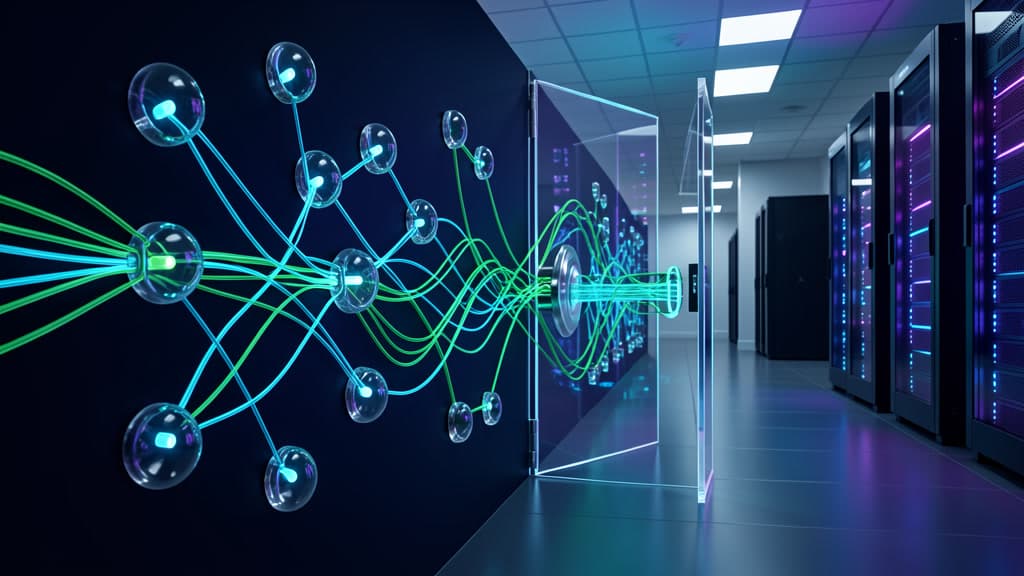

A software lead sees the link in a team channel before the incident meeting starts.
The package name is familiar. Too familiar. It sits under backup jobs, deployment scripts, build images, vendor appliances, old shell glue nobody wants to touch, and three systems that only fail loudly when something has already gone wrong.
The link points to an upstream issue tracker. The title is blunt: "Please Do Not Vibe Fuck Up This Software". The project is rsync, the file transfer utility whose README describes it as "a fast and extraordinarily versatile file copying tool" that can bring files into sync by sending only the differences across a link.
The thread is closed. The issue body is mostly an image, not a reproducible technical report. The comments move fast from possible breakage into AI-written changes, rewrite arguments, maintainer expectations, user trust, and whether an issue tracker is the right place for that fight.
Someone on the team says, "It's just GitHub drama."
Someone else says, "We should fork it."
Both reactions skip the work.
The useful move is smaller, calmer, and much more operational: open a dependency exception lane.
Treat the rsync thread as a signal, not a verdict
The rsync issue is worth reading carefully because it is not clean.
It is not a neat vulnerability advisory. It is not a confirmed production incident report with affected versions, reproduction steps, exploitability, and mitigation. It is also not meaningless. The thread shows what happens when a widely used open-source dependency becomes the surface for a larger argument about AI-assisted coding and project direction.
One commenter wrote, "AI and C are an explosive combination." Another pushed back on the venue: "The issue tracker is not a place for you to farm viral social media posts. Either report an actionable bug or fork it yourself." Another argued that people value rsync because it is stable and "just works," and that a Rust rewrite would be a separate project. A later comment asked where users should tell maintainers they disagree with direction, adding that rsync is a fundamental tool and downstream consumers were discussing pinning or forking.
Those comments are public, and they matter as a governance signal. They do not, by themselves, prove that your production systems are at risk.
That distinction is where teams get into trouble. Public controversy feels like evidence because it arrives with urgency, screenshots, quotes, and a crowd. Production risk still needs a different shape: affected versions, reachable code paths, package sources, runtime usage, test coverage, rollback paths, and an owner who can make a call.
A mature team does not need to decide whether the internet is right. It needs to decide what to do with its own dependency.
Issue trackers are bad incident rooms when the report is not reproducible
Issue trackers work best when a maintainer can act on the report: version, environment, expected behavior, actual behavior, reproduction, logs, related commits, test cases.
The rsync issue did not start that way. It opened as an image and a demand. The rest of the thread became a public argument about trust.
That is a terrible incident room for a downstream business.
Maintainers get noise instead of a report they can reproduce. Users get emotional confirmation instead of a controlled risk assessment. Leaders see a package name they recognize and confuse public heat with operational severity. Engineers get pulled into a debate about whether AI-assisted code is legitimate, when the first internal question should be narrower: are we exposed?
That same failure can happen inside a company. A Slack thread becomes the incident process. Screenshots become evidence. "Pin everything" becomes policy. "Ignore it" becomes policy. Nobody writes down which services use the dependency, which versions are installed, or what evidence would change the decision.
This is the gap a dependency exception lane fills.
What a dependency exception lane is
A dependency exception lane is a short-lived, named workflow for one dependency that deserves attention outside normal update cadence.
It is not a permanent committee. It is not a fork decision dressed up as governance. It is not a generic AI-risk checklist. It is a way to keep noisy upstream signals from flowing straight into production decisions.
The lane asks one question:
What decision do we need to make about this dependency, and what evidence is strong enough to change that decision?
For a critical package, the answer may be "stay on the current pinned version until the next upstream release has a reproducible regression test." For a lower-risk package, it may be "continue updates through normal dependency automation." For a package in a sensitive workflow, it may be "patch locally for now, open an upstream report with reproduction details, and review again Friday."
The point is ownership. The lane turns "somebody should look at this" into a record with a name on it.
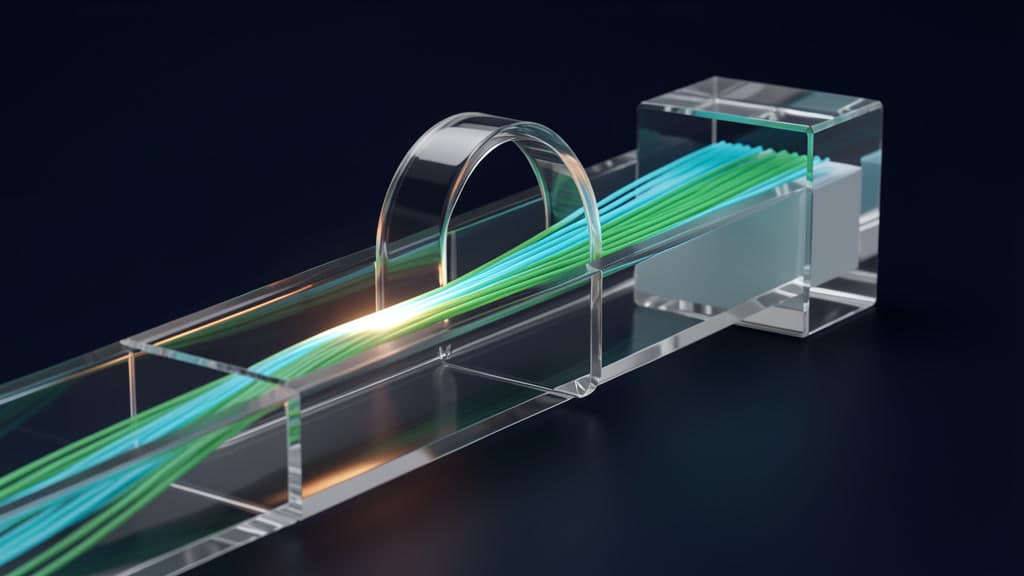
The fields worth writing down
A useful lane can fit on one page. If it takes a week to fill out, the artifact is too heavy.
Start with these fields.
Dependency. Name the package, repository, distribution source, and the internal systems that reference it.
Do not stop at "we use rsync." A team may use rsync through a Linux distribution package, a container image, a backup product, a deployment script, a CI image, a NAS appliance, or a transitive operational dependency nobody imports from application code.
The dependency field should answer: where can this package enter our environment?
Owner. Assign one person or team to the exception.
The owner does not need to personally know every code path. They do need authority to collect evidence, call for a pin, request a rollback, open an upstream report, or close the lane when the risk is resolved.
Without an owner, dependency governance turns into ambient concern.
Blast radius. List what breaks if the dependency fails in the ways people are worried about.
For rsync, plausible blast-radius questions might include backups, file synchronization, deployment artifacts, log rotation jobs, mirror processes, embedded systems, and any workflow where silent partial transfer would be worse than an obvious failure. Do not claim those failures exist unless you can reproduce or cite them. Map the consequences you would care about if they did.
Blast radius turns a public argument into an internal systems question.
Version status. Write down the versions you run, where they came from, and how they update.
This is the first place many teams discover that "we use package X" is not a single fact. Laptops, CI runners, production containers, base images, appliances, and customer-hosted installs may all have different update paths.
Version status should include:
- current deployed version or package channel
- update mechanism
- whether updates are automatic, manual, or image-based
- latest upstream version observed
- known pin or hold status
- environments where the dependency cannot be updated quickly
This is also where you separate upstream source from downstream packaging. A distribution may patch, lag, freeze, or backport. Your exception lane should not treat every upstream comment as if it landed in production.
Evidence class. Classify the signal.
A screenshot of a complaint is not the same as a reproduction. A public maintainer statement is not the same as a changelog. A failing internal test is not the same as a social thread. A CVE is not the same as a design disagreement.
A simple evidence scale helps:
- Class 0: public concern, no technical evidence yet
- Class 1: plausible report, missing reproduction
- Class 2: reproducible upstream issue or failing test case
- Class 3: confirmed exposure in your environment
- Class 4: active incident or exploitable security impact
The rsync issue began closer to Class 0 or Class 1 for most downstream teams unless they had their own failing tests or a reproducible bug tied to a version they used. That does not mean "ignore it." It means the next action is evidence collection, not drama-driven architecture.
Maintainer signal. Record what the project is actually doing.
Is the issue closed? Is there a linked pull request? Is there a release note? Are maintainers asking for reproduction steps? Is the conversation locked because it became too heated? Is the project directing users to discussions for direction feedback? Are downstream distributions patching or pinning?
This field should stay factual. It is not a place to score personalities. Open-source project governance is human work, even when the code and license are open. The Open Source Initiative's Open Source AI Definition talks about freedoms to use, study, modify, and share AI systems. Those freedoms do not remove the need for maintainers and downstream users to communicate through usable channels.
Short-term action. Choose one action for the next review window.
Examples:
- no change; monitor upstream release notes
- pin current version in production images
- block automatic updates for this package
- add a regression test around the risky behavior
- patch internally and open an upstream report
- replace only in one noncritical workflow
- prepare a fork plan, but do not execute it yet
- escalate to security review because credentials, customer data, or regulated systems are involved
The short-term action should be boring enough that a tired incident lead can execute it.
If the dependency touches sensitive data or production access, pair this with a narrow security review. We use the same principle in AI workflow work: run the access review before the workflow gets broader permissions, not after it surprises you. The same habit applies to dependencies near customer records, credentials, backups, or deployment systems. See the BaristaLabs guide on running an AI workflow security review before access and the broader data security approach.
Rollback or pin plan. Write the exact rollback path before the team needs it.
Where is the package pinned? Who can approve the change? Which images need rebuilding? Which systems need restarts? What test confirms the rollback worked? What breaks if you hold the version for 30 days?
Pinning can be prudent. It can also create hidden debt. A lane should make both visible.
Review date. Every exception needs a clock.
A dependency exception with no review date becomes folklore. People remember that "we were worried about that package," but nobody knows whether the concern was resolved, accepted, or forgotten.
Set the next review date based on evidence class. Public controversy without reproduction may need a short check-in after the next upstream update. Confirmed internal exposure may need daily review until mitigated. A closed upstream issue with no affected internal versions may close immediately with a note.
The review date is what keeps temporary caution from becoming permanent superstition.
AI-assisted coding changes the trust surface
AI-assisted coding does not make every old dependency unsafe. Bugs existed before AI and will exist after it.
The change is the trust surface around the work.
More code can be produced quickly. More changes can arrive with confident explanations. More reviewers can skim because the diff looks plausible. More users can see public accusations and assume the package is compromised. More maintainers can receive demands that mix real concern with unusable reports.
That combination is especially uncomfortable for infrastructure software. Tools like rsync are valued because they disappear into the background. When they become visible, it is often because something downstream depends on them more than anyone remembered.
The answer is not to reject AI-assisted development out of hand. It is to raise the standard for review, evidence, and release confidence around important systems.
For internal teams, the pattern should feel familiar. AI code review bots need their own lanes because a pull request thread can become crowded with human reviewers, CI companions, autofix suggestions, and model comments. Agent-written code needs boundaries before it reaches production, which is why a sandbox contract is a better artifact than vague confidence in the tool.
The same operating idea applies upstream. When the dependency is important, decide how evidence gets reviewed before the crowd decides for you.
If the lane needs to become a standing artifact, copy the AI dependency exception register and use one row per dependency decision.
Use risk language without turning it into theater
Frameworks can help if they stay close to the work.
NIST's AI Risk Management Framework organizes AI risk work around Govern, Map, Measure, and Manage. Those verbs are useful here, even if the dependency itself is not an AI system.
Govern: who owns the exception?
Map: where is the dependency used, and what can it affect?
Measure: what evidence do we have, and how strong is it?
Manage: do we pin, patch, wait, fork, test, replace, or close?
That is enough. The lane should not become a standards essay or a compliance binder. It should help a lead make a better decision on Tuesday afternoon.
What good looks like in practice
A dependency exception lane for an AI-era upstream controversy might read like this:
- Dependency: rsync, installed through base OS packages in backup workers and deployment utility containers.
- Owner: platform engineering.
- Blast radius: backup sync jobs, internal mirror jobs, two legacy deployment scripts. No customer-facing runtime path identified.
- Version status: production images use distribution packages; CI images update weekly; laptops unmanaged. Current production version recorded in image manifest.
- Evidence class: Class 1. Public controversy and user concern; no internal reproduction yet.
- Maintainer signal: upstream issue closed after a heated thread about AI-assisted changes, project direction, and whether issue-tracker feedback was actionable.
- Short-term action: hold automatic updates for deployment utility images, add a smoke test for the backup sync path, monitor upstream release notes and distribution package updates.
- Rollback or pin plan: rebuild backup worker image from prior base image if the smoke test fails. Owner can approve an emergency pin for 14 days.
- Review date: next platform review, or sooner if upstream publishes a reproducible issue, release note, advisory, or distribution patch.
This is not glamorous. That is the point.
The lane does not decide that rsync is unsafe. It does not decide that AI-written code is unacceptable. It does not decide that every old dependency needs a rewrite. It turns a public signal into an internal decision record.
That record is what prevents social outrage from becoming your incident process.
The better question for leaders
When a critical dependency gets pulled into an AI controversy, the leadership question is not "Whose side are we on?"
The better question is: "Can we explain our dependency decision tomorrow?"
If the answer depends on a Slack thread, a screenshot, or the loudest comment in an issue tracker, the process is too weak. If the answer includes an owner, affected systems, version status, evidence class, maintainer signal, short-term action, rollback plan, and review date, the team can move without pretending the noise is irrelevant.
That is the lane worth building.
BaristaLabs helps teams turn AI-era software risk into working operating artifacts: review lanes, sandbox contracts, receipts, approval queues, and dependency exception processes that fit the way the business actually ships. If one package or service sits under a workflow you cannot afford to guess about, start there.
Map a dependency exception lane for one critical dependency before the next upstream controversy becomes your production meeting.
Dependency governance help
Map a dependency exception lane
BaristaLabs helps teams turn one critical package or service into a clear exception lane with ownership, evidence thresholds, pin and rollback plans, and review dates.
Best fit when a workflow depends on open-source infrastructure and AI-assisted development has changed the review, maintenance, or trust discussion upstream.
Turn this idea into a pilot
Which workflow should go first?
Use the readiness check to compare impact, effort, risk, owner, and next step before requesting a review.
- 3-5 minutes
- Deterministic score
- No sensitive data
Practical AI Workflow Notes
Want more practical AI operations ideas?
Get short notes on applying AI inside real small-business workflows — from document handling and customer follow-up to internal reporting, compliance, and automation guardrails.