A 10,000-Hour Computer-Use Dataset Could Make AI Better at the Software SMBs Already Pay For
A newly announced open-source dataset of 10,000-plus hours of computer-use recordings could help AI agents get better at tools like Salesforce, Photoshop.

Sean McLellan
Lead Architect & Founder
The most useful AI stories are usually not about a new chatbot. They are about training data.
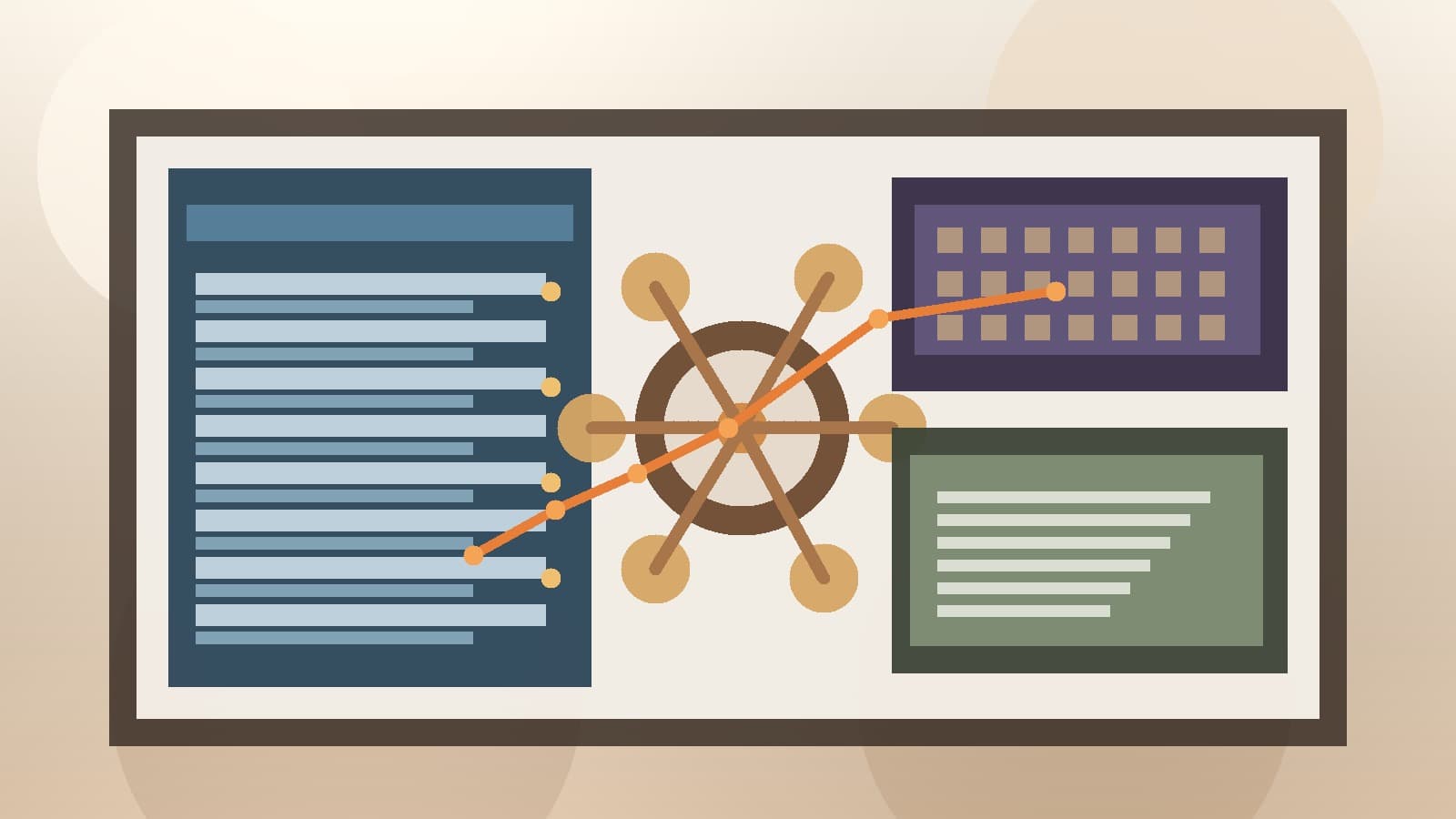
In a launch announcement on X, DevvMandal said a new open-source computer-use dataset includes 10,000+ hours of recordings across tools such as Salesforce, Blender, Photoshop, and more. The stated goal is straightforward: help AI agents learn how people actually use software so they can automate more white-collar work.
That is a much bigger deal for small businesses than it may sound.
Most SMBs do not need an AI that writes poetry or argues about strategy. They need one that can handle the boring work inside the software stack they already pay for every month: updating CRM records, moving data between tabs, cleaning up design assets, filling repetitive fields, or following the same screen path for the fiftieth time.
Better computer-use data is how that gets better.
Why this dataset matters more than another benchmark
Plenty of AI agent demos look impressive for five minutes. The hard part is getting an agent to survive real software.
Business tools are messy. Buttons move. Menus hide behind permissions. Forms fail for dumb reasons. One team uses Salesforce one way, another team uses it completely differently. Photoshop and Blender are even worse if you expect clean, repeatable actions from a model that has mostly learned from text and static screenshots.
That is why a large dataset of recorded software use matters. If the recordings are broad and high quality, they give model builders a better training base for the part agents still struggle with: watching a screen, figuring out intent, and taking the next action without falling apart.
In plain English: this is the kind of data that can make AI less clumsy with real business software.
The SMB angle is simple
Small businesses already spend real money on tools that still demand too much human clicking.
Think about the average stack:
- Salesforce or another CRM for pipeline and follow-up work
- Adobe tools for marketing assets and quick edits
- finance, scheduling, or booking systems with awkward admin screens
- internal portals that do not have a clean API
- vendor dashboards that still assume a person will log in and do everything by hand
The promise here is not that an agent replaces your staff next week. It is that agents get better at operating inside these systems, which means more of the routine work becomes realistic to automate under supervision.
That changes the economics for SMBs because the software bill is already there. If AI gets better at using the tools you already license, you do not need to wait for some brand-new "agent operating system" to show up. The value can land inside your current stack.
Where this could show up first
If this kind of training data improves agent reliability, the first wins for SMBs will probably be dull, screen-heavy tasks:
- CRM cleanup after calls or form submissions
- moving information from one back-office system to another
- repetitive content production steps inside creative software
- order, quote, or invoice support work across vendor portals
- internal QA on routine workflows that still require clicking through screens
That is the right place to look first because these jobs are expensive in attention, not usually in complexity.
The best automation targets are not high-drama strategic tasks. They are the jobs your team can already describe step by step but still has to do manually because the software was built for humans, not APIs.
What SMB owners should not assume
This announcement is promising, but there are three bad assumptions to avoid.
1. More data does not mean fully trustworthy agents
A larger dataset can improve reliability. It does not remove the need for oversight, access controls, or rollback plans.
If an agent is touching customer data, billing systems, or production design files, you still need boundaries.
2. Software variation is still a problem
Salesforce is not one thing. Every company customizes it. The same goes for many line-of-business tools. A broad training set helps, but your exact workflow will still need testing.
3. Bad processes do not become good just because AI can click faster
If your current process is sloppy, fragile, or full of exceptions, an agent will inherit that mess. Better computer use helps. It does not magically fix broken operations.
The practical move right now
Do not wait for a polished vendor pitch before you prepare for this shift.
Instead, make a short list of workflows in your business that have all three traits:
- your team does them often
- they happen mostly on-screen inside existing software
- they are repetitive enough that a supervisor could check the output quickly
That list is where agent automation is most likely to become useful first.
For a sales team, it may be CRM hygiene and quote prep. For a creative shop, it may be resizing, exporting, or organizing assets. For an ops-heavy service business, it may be form entry and portal updates. Those are not glamorous use cases. They are the ones most likely to save time.
The headline is not really "world's largest open-source dataset." The useful headline is this: AI agents are getting trained on the exact kind of software work small businesses keep paying humans to do by hand.
That does not mean the future arrived tonight. It does mean the gap between "AI can draft" and "AI can actually drive the software" is getting narrower, and that is where the real SMB automation upside lives.
AI Pilot Readiness Checklist
Turn the idea into a pilot you can defend.
AI agent articles are easy to bookmark and hard to operationalize. Use the readiness questions as a shared way to decide whether a workflow is specific enough, safe enough, and measurable enough to pilot. If they surface a strong candidate, BaristaLabs can review it with you and help shape a first version that fits your systems, approval process, and risk tolerance.
Please do not submit PHI, customer records, credentials, or confidential workflow exports.
Practical AI Workflow Notes
Want more practical AI operations ideas?
Get short notes on applying AI inside real small-business workflows — from document handling and customer follow-up to internal reporting, compliance, and automation guardrails.