Claude Code Review Gives Small Dev Teams a Second Set of Eyes
Anthropic just introduced Code Review for Claude Code in research preview. Here's what automated multi-agent PR review means for small businesses with real dev teams, real deadlines, and no time for bugs slipping through.

Sean McLellan
Lead Architect & Founder
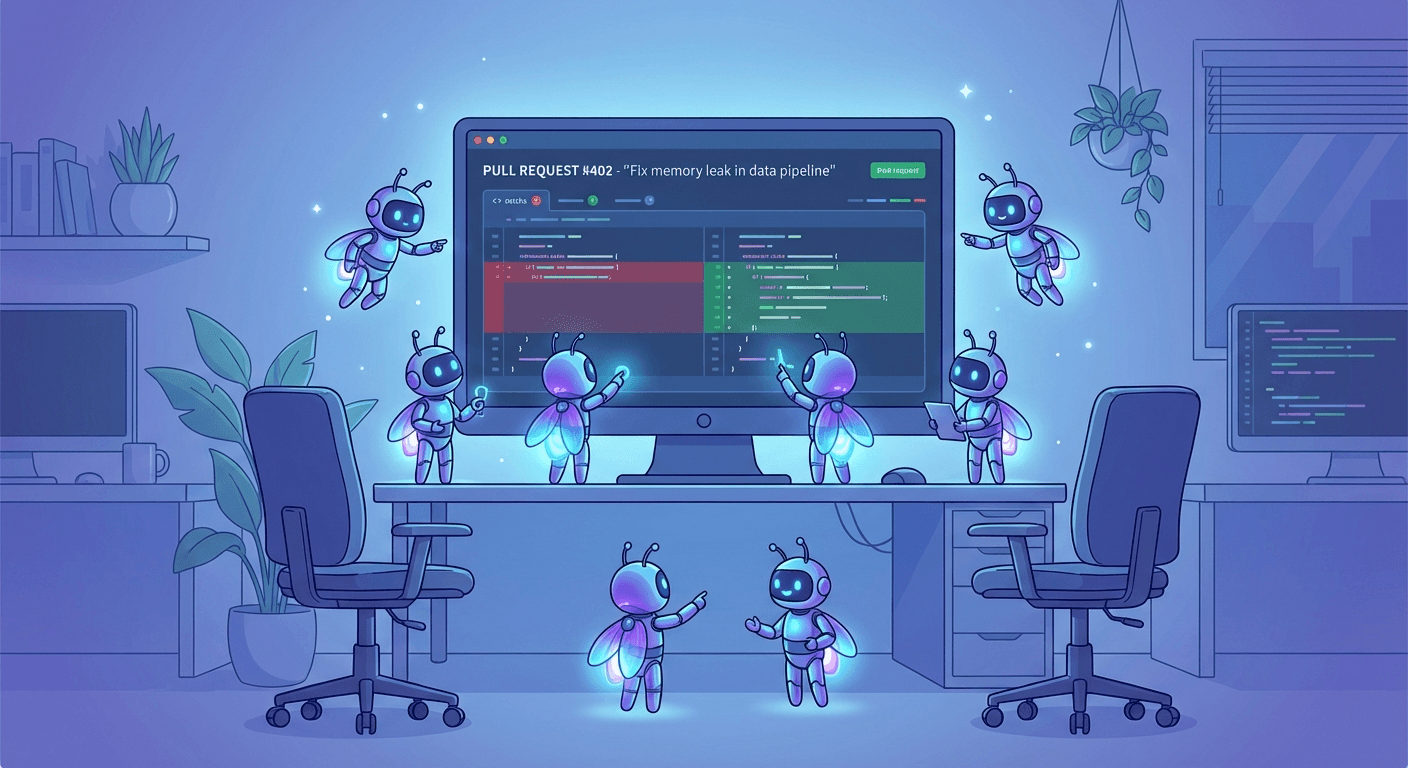
Anthropic just shipped a feature with a very practical promise: when a pull request opens, Claude Code can step in as an extra reviewer.
Not a vague chatbot in a sidebar. A review system aimed at real code, real pull requests, and real mistakes that cost teams time.
For small businesses with in-house developers, that matters more than most AI announcements. Enterprise teams can throw more people at QA and review bottlenecks. Solo builders can often keep the whole codebase in their head. Small teams live in the uncomfortable middle. They move fast, ship customer work, and still need code review discipline even when nobody has time for it.
What happened
Anthropic introduced Code Review for Claude Code in research preview. According to the official launch materials and supporting documentation, the system is built to automatically review pull requests and surface issues before code is merged.
The simplest way to understand it is this: your PR gets another reviewer, and that reviewer does not get tired at 5:30 p.m.
Anthropic and public launch materials describe a few concrete things worth paying attention to:
- Claude can review pull requests automatically through Anthropic's GitHub tooling.
- The official setup path runs through the
claude-code-actionGitHub Action and GitHub app. - Anthropic positions it as research preview access first, with Team and Enterprise customers getting the initial rollout for the broader security-oriented review tooling.
Google's indexed launch summaries also point to the pitch behind the feature: AI code review that can scale to larger pull requests and catch subtle issues human reviewers miss.
That last point is the one SMB teams should care about. Most bugs do not happen because your developers are bad. They happen because everyone is busy, context is fragmented, and review quality drops when the queue gets long.
How it works
Under the hood, Anthropic's GitHub action lets Claude Code analyze PR changes, comment on improvements, and plug into the same workflow teams already use for reviews.
Anthropic's docs also show the setup can start from the Claude Code terminal with /install-github-app, which walks an admin through installing the GitHub app and configuring secrets. For teams already using GitHub Actions, that lowers the barrier quite a bit.
The broader Claude Code security materials add another important detail about Anthropic's approach: Claude is designed to reason across files, trace how data moves through an application, and verify findings before surfacing them. That matters because the most expensive bugs are rarely a single bad line in isolation. They usually come from how one change affects another system three files away.
In plain English, this is the difference between a lint check and a reviewer that can follow the logic.
That does not mean it replaces humans. Anthropic is explicit about that in its security tooling: suggested fixes still require human review and approval. Good. Automatic review should tighten your process, not quietly take it over.
What it means for your dev team
If you run a small company with a product team, an internal app team, or a technical services team, this feature is useful for one reason above all: it reduces review debt.
Every small dev team knows the pattern. One engineer opens a PR. Another means to review it. A client call runs long. A production bug pops up. The PR sits. Later, someone skims it, approves too fast, and the bug shows up in staging or production.
AI review will not fix bad engineering culture. It will help in three practical ways:
1. It adds coverage when humans are overloaded
A second reviewer on every PR is hard to guarantee in a five-person team. An automated reviewer is easier.
2. It helps standardize review quality
Human reviews vary wildly. One reviewer checks architecture. Another checks naming. Another only checks whether tests passed. Claude can give you a more consistent first pass.
3. It catches the stuff that slips through rushed reviews
Context-heavy issues, edge cases, and security-sensitive logic are exactly where small teams get burned. Even one prevented bug can pay for the setup time.
The bigger takeaway is not “fire your reviewers.” It is “protect your reviewers.” Let humans spend more time on tradeoffs, customer impact, and system design while AI handles more of the repetitive first-pass scrutiny.
How to get it
If your team already works in GitHub, the path looks straightforward.
- Use Anthropic's GitHub integration for Claude Code.
- Install the GitHub app and configure the repository.
- Set up the
claude-code-actionworkflow for PR review. - Start with one repo, not your whole organization.
- Treat the output like a sharp junior reviewer: useful, fast, and still subject to final human judgment.
Access is still framed as research preview, and Anthropic's current materials point to early availability through its Team and Enterprise offerings, with waitlist-style access for some capabilities. That means SMBs should expect a phased rollout rather than instant universal availability.
The practical move here is simple: pick one active repository, test the review quality for two weeks, and measure whether it shortens PR turnaround or catches issues your team would have missed.
That is the SMB takeaway. You do not need a moonshot AI strategy. You need fewer bad merges, faster reviews, and less senior developer time wasted on preventable mistakes. If Claude Code Review can do that, it earns its seat at the table.
AI Pilot Readiness Checklist
Turn the idea into a pilot you can defend.
AI agent articles are easy to bookmark and hard to operationalize. Use the readiness questions as a shared way to decide whether a workflow is specific enough, safe enough, and measurable enough to pilot. If they surface a strong candidate, BaristaLabs can review it with you and help shape a first version that fits your systems, approval process, and risk tolerance.
Please do not submit PHI, customer records, credentials, or confidential workflow exports.
Practical AI Workflow Notes
Want more practical AI operations ideas?
Get short notes on applying AI inside real small-business workflows — from document handling and customer follow-up to internal reporting, compliance, and automation guardrails.