AI Brain Fry Is Real — Here's How to Avoid It at Your Small Business
A new Harvard Business Review study finds AI tools can cause cognitive overload — not just productivity gains. Here's what small business owners need to know to get the benefits without the burnout.

Sean McLellan
Lead Architect & Founder
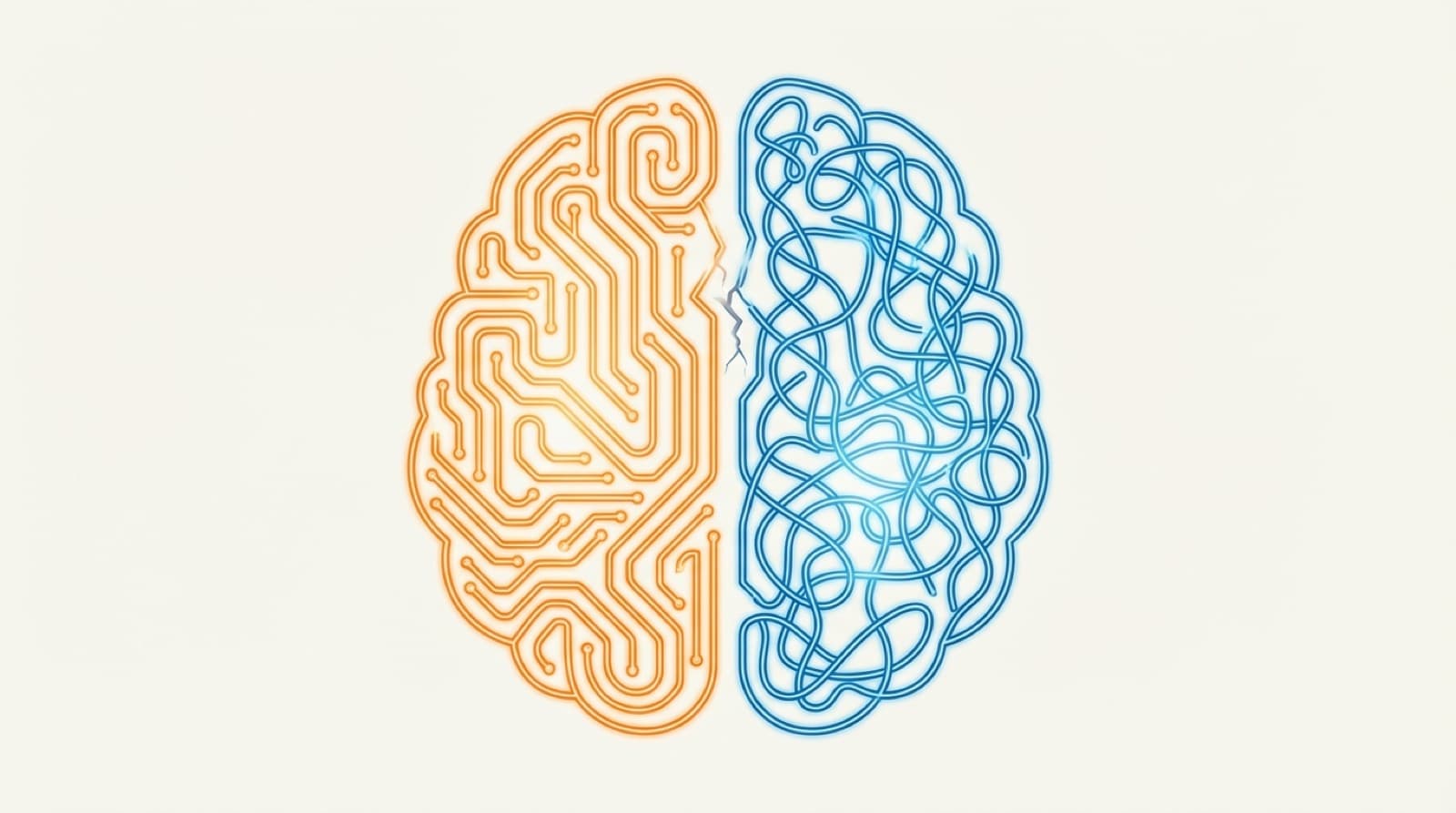
There's a new term making the rounds in workplace research, and if you've been pushing hard on AI adoption, it might hit close to home: AI brain fry.
A study published in Harvard Business Review, conducted by researchers at Boston Consulting Group and the University of California, Riverside, surveyed approximately 1,500 U.S. workers about their experience with AI tools on the job. The headline finding? AI can reduce burnout — but it can also create an entirely new kind of it.
The Paradox: AI Helps and Hurts
The study uncovered a striking tension. Workers who used AI to offload repetitive, tedious tasks reported lower stress levels. That tracks with the promise we've all heard: let the machines handle the grunt work so you can focus on what matters.
But workers who found themselves constantly supervising multiple AI systems, bouncing between tools, and reviewing AI-generated output reported something different — decision fatigue, more errors, and a mental exhaustion that one in seven workers described as beyond their brain's capacity to handle.
"The AI can run out far ahead of us, but we're still here with the same brain we had yesterday," said Julie Bedard, managing director at BCG and a study co-author.
That captures the core issue. AI expands what you can do, which quickly becomes what you're expected to do — even if that expectation is self-imposed. For small business owners wearing multiple hats already, that expansion can tip from productive to overwhelming fast.
Why This Matters for Small Businesses
Large enterprises have dedicated teams to manage AI rollouts, training programs, and change management budgets. Most small businesses don't. You're the one choosing the tools, learning the tools, and fixing things when the tools get it wrong.
That means the brain fry risk is concentrated in fewer people — often in the owner or a small team that's already stretched thin. The study found that leadership and intentional AI management made a real difference in outcomes. Employees whose managers were deliberate about how AI was used reported less cognitive strain.
For a five-person shop, that "manager" is probably you. So the question isn't whether to use AI — it's how to use it without running yourself into the ground.
Five Ways to Get the Benefits Without the Fry
1. Pick fewer tools and go deeper. The urge to try every new AI product is real. Resist it. The study linked tool-juggling directly to cognitive overload. Choose two or three AI tools that solve your biggest pain points and learn them well. Depth beats breadth.
2. Use AI to eliminate tasks, not just speed them up. There's a difference between "AI drafts an email I then spend 20 minutes editing" and "AI handles appointment confirmations without my involvement." The first adds a review step to your day. The second removes a task entirely. Aim for removal.
3. Set boundaries on AI supervision time. If you're spending your whole day reviewing AI output, you haven't saved time — you've traded one kind of work for another. Block specific windows for AI review rather than context-switching all day. The constant gear-shifting is where the fry lives.
4. Don't chase perfection loops. One worker interviewed in the study described the pull of "the next best thing" — using AI to endlessly refine a workflow because the capability is there. Set a deadline for when the output is good enough and move on. Perfectionism plus infinite AI capacity is a recipe for exhaustion.
5. Redesign the work, don't just layer AI on top. This was the researchers' key recommendation. Bolting AI onto existing processes without rethinking those processes adds complexity without reducing load. Step back and ask: if I were building this workflow from scratch with AI available, what would it look like?
The Bottom Line
AI adoption isn't a light switch. It's a process that requires the same thoughtfulness you'd give to any major operational change. The HBR study is an early warning — not against using AI, but against using it carelessly.
The businesses that get this right won't be the ones with the most AI tools. They'll be the ones who figured out which tools actually reduce their cognitive load and had the discipline to stop there.
If you're navigating AI adoption and want help figuring out what's worth your time, get in touch. That's exactly the kind of problem we help small businesses solve.
Turn this idea into a pilot
Which workflow should go first?
Use the readiness check to compare impact, effort, risk, owner, and next step before requesting a review.
- 3-5 minutes
- Deterministic score
- No sensitive data
Practical AI Workflow Notes
Want more practical AI operations ideas?
Get short notes on applying AI inside real small-business workflows — from document handling and customer follow-up to internal reporting, compliance, and automation guardrails.